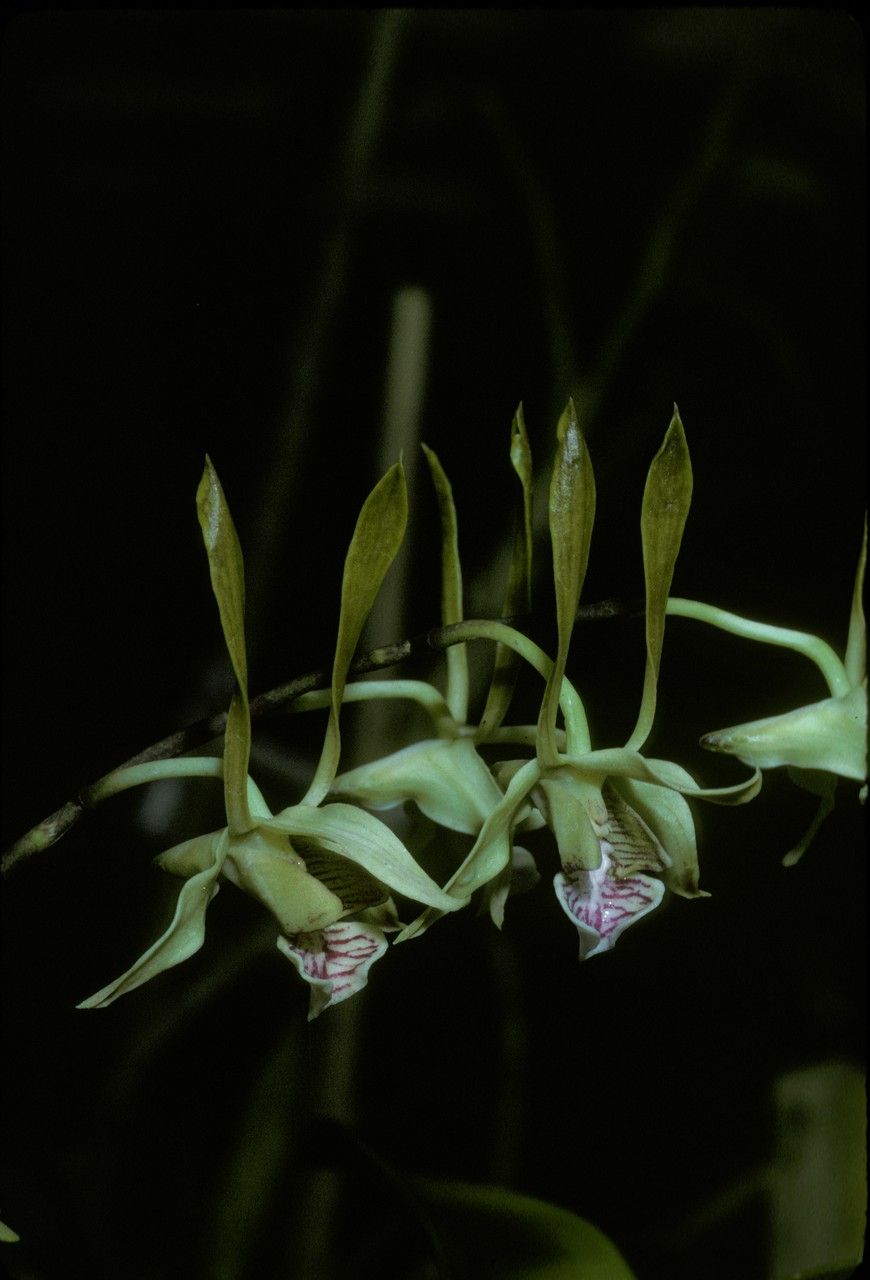
Hello fellow plant enthusiasts! I’m so thrilled you’re considering bringing more of the gorgeous Dendrobium bicaudatum into your life. This orchid, with its elegant blooms and often delicate charm, has a way of capturing the heart. Multiplying your collection is incredibly rewarding. It means more beauty to share, more plants to nurture, and a deeper connection to these botanical wonders. Now, about beginner-friendliness: while orchids, in general, can seem a bit intimidating, Dendrobium bicaudatum is relatively straightforward to propagate once you understand its rhythm. Don’t let that stop you!
The Best Time to Start
For Dendrobium bicaudatum, the golden rule is to propagate when the plant is actively growing. This usually means late spring through early summer, after the bloom cycle has finished and new shoots are beginning to emerge. You’ll see plump, healthy pseudobulbs and fresh leaf development. Trying to propagate when the plant is dormant or stressed is a recipe for disappointment. Patience here really pays off.
Supplies You’ll Need
Before we dive in, let’s gather our digging kit!
- Sharp, sterile pruning shears or a clean knife: For making clean cuts. Sterilize with rubbing alcohol between uses.
- Cinnamon or rooting hormone powder (optional, but recommended): Some gardeners swear by cinnamon to help seal cuts and deter fungus. Rooting hormone can give an extra boost.
- Well-draining orchid potting mix: A blend of bark, perlite, and charcoal is excellent. It needs to allow for plenty of air circulation.
- Small pots or community trays: Ensure they have drainage holes.
- Spray bottle: For misting.
- Clear plastic bags or a propagation box/dome: To maintain humidity.
- Sphagnum moss (optional): For certain propagation methods.
Propagation Methods
Let’s get our hands dirty and make some new Dendrobium bicaudatum babies!
1. Division
This is often the easiest and most successful method for Dendrobium bicaudatum if yours has grown into a clump.
- Gently remove the orchid from its pot.
- Carefully tease away old potting mix to expose the rhizome (the creeping stem that connects the pseudobulbs).
- Using your sterile shears, cut through the rhizome to divide the plant into sections. Aim for sections that have at least two to three healthy pseudobulbs and good root growth.
- If there are any damaged or rotted roots, trim them away. You can dust the cuts with cinnamon or rooting hormone if you choose.
- Repot each division into its own small pot with fresh, well-draining orchid mix. Don’t pack the mix too tightly.
- Water lightly and place in a shaded spot.
2. Stem Cuttings (Keikis)
Sometimes, Dendrobium bicaudatum will naturally produce small plantlets on its stems, called keikis. If yours does this, you’re in luck!
- Wait until the keiki is a decent size and has developed its own small aerial roots. This is crucial.
- Using your sterilized shears, carefully cut the keiki away from the mother plant, making sure to include some of the stem it’s attached to and its roots.
- You can let the cut end dry out for a day or two in a shaded spot before potting. This helps callous over the wound.
- Pot the keiki in a small pot with orchid mix, burying the roots.
- Mist regularly to keep the leaves and potting medium slightly moist, but avoid waterlogged roots. A humidity dome or plastic bag can be your best friend here.
The “Secret Sauce” (Pro Tips)
Here are a few little tricks I’ve learned over the years that make a big difference:
- The Power of Airflow: While we want high humidity, stagnant air is the enemy of new orchid cuttings. Ensure there’s some air movement. If you’re using a plastic bag, open it for a few minutes each day to let the air circulate. This helps prevent fungal issues.
- Don’t Overwater, Especially with Keikis: This is probably the most common mistake. Young, unrooted cuttings or keikis can’t absorb much water. Constantly wet media will lead to rot. It’s better to be slightly too dry than too wet. Feel the mix – if it seems damp, wait.
- The Magic of Bottom Heat: If you’re having trouble with roots forming, especially on keikis, consider a gentle seedling heat mat. Orchids love a little warmth at their roots, and this can significantly speed up the rooting process. Just be sure it’s set to a low, consistent temperature, not scorching hot.
Aftercare & Troubleshooting
Once your divisions or keikis are potted, the real nurturing begins. Keep them in a bright, indirect light location – no harsh sun! Continue to mist them regularly, especially if you’re using a humidity tent. You want the potting mix to remain evenly moist but not saturated.
What if things go wrong? The most common culprit is rot. If you notice your cuttings becoming limp, mushy, or blackening, it’s usually a sign of too much moisture and poor air circulation. If this happens, remove the affected part immediately with your sterile shears. Try to let the remaining healthy section air dry for a bit before repotting in slightly drier, fresh mix, and ensure better airflow. Don’t be discouraged; it happens to all of us!
A Rewarding Journey
Propagating Dendrobium bicaudatum is a wonderful way to expand your orchid family. It requires a little patience and observation, but the thrill of seeing new roots emerge and healthy growth begin is truly unmatched. So, grab your tools, find a sunny spot, and enjoy the process of coaxing new life from your beautiful orchids. Happy growing!
Resource: