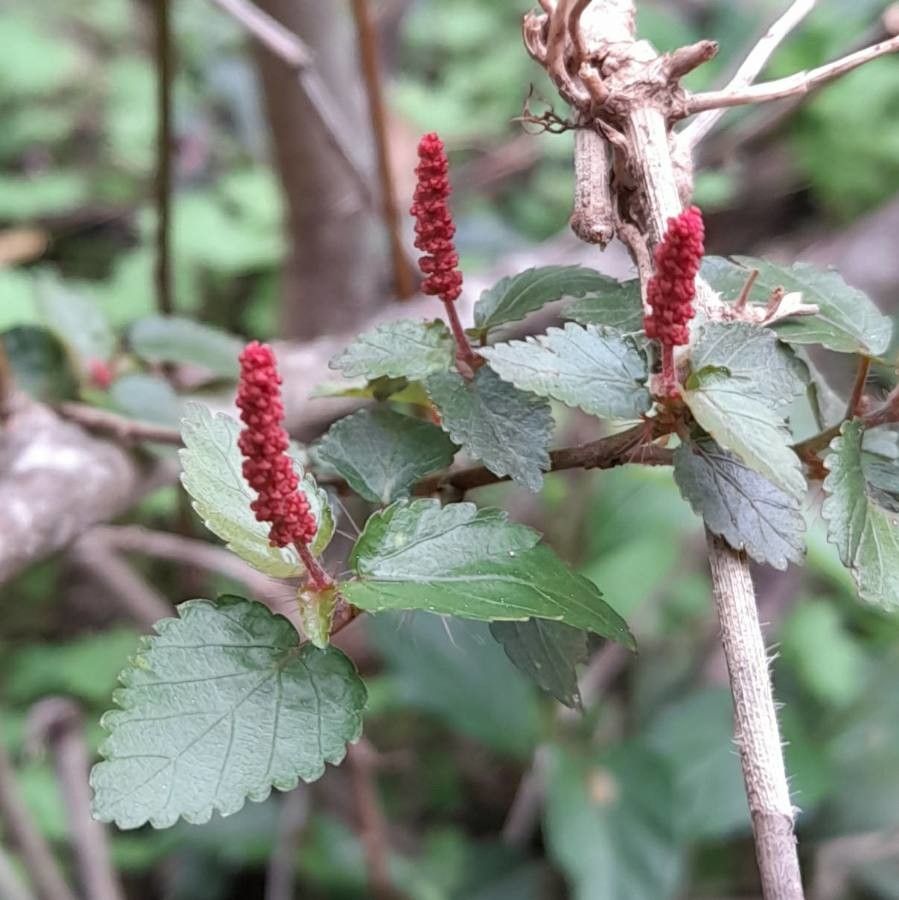
Hey there, fellow plant lovers! Today, we’re diving into the wonderful world of propagating Acalypha multicaulis. If you’ve ever admired those lush, often vibrantly colored leaves of this adaptable shrub, you’re in for a treat. Propagating your own means you can expand your collection, share the green love with friends, or simply enjoy the satisfaction of coaxing new life from an existing plant. And the best part? While it can take a little patience, it’s surprisingly achievable, even for those just starting their plant-parenting journey.
The Best Time to Start
When it comes to getting the most bang for your propagation buck, spring and early summer are your golden windows. This is when Acalypha multicaulis is actively growing and has plenty of energy to put into rooting. You’re looking for new, semi-hardwood growth – not the very soft, floppy tips, nor the old, woody stems. Think along the lines of a pencil in thickness, firm but with a bit of flexibility.
Supplies You’ll Need
Gathering your tools beforehand makes the whole process smoother. Here’s what I like to have on hand:
- Sharp pruning shears or a clean knife: For making clean cuts.
- Rooting hormone (powder or gel): This isn’t strictly necessary but definitely gives your cuttings a helpful boost.
- Small pots or seed trays: With drainage holes, of course!
- A good quality potting mix: I prefer a well-draining blend, often a mix of peat moss, perlite, and a little bit of compost. You could also use a specialized seed-starting mix.
- Plastic bags or a propagator: This helps maintain humidity around your cuttings.
- Water: For…well, watering!
- Labels and a marker: So you don’t forget what you planted (we’ve all been there!).
Propagation Methods
Let’s get our hands dirty with the most common methods.
Stem Cuttings: My Go-To
This is my favorite way to multiply Acalypha multicaulis. It’s reliable and gives you a great head start.
- Take Your Cuttings: Using your clean shears, select a healthy stem and make a cut just below a leaf node (where a leaf attaches to the stem). Aim for cuttings about 4-6 inches long. Remove the lower leaves, leaving just a couple at the top.
- Apply Rooting Hormone: Dip the cut end of the stem into your rooting hormone, tapping off any excess.
- Pot Them Up: Fill your pots with your prepared potting mix. Make a small hole in the center with your finger or a pencil.
- Plant and Water: Insert the cutting into the hole, making sure the leaf nodes are covered. Gently firm the soil around it. Water thoroughly until you see water draining from the bottom.
- Create a Humid Environment: Cover the pot with a plastic bag or place it in a propagator. Open it for a few minutes daily to allow for air circulation and prevent mold.
Water Propagation: A Visual Treat
If you like to watch your progress, this method is for you!
- Prepare Your Cuttings: Follow step 1 from the stem cuttings method.
- Place in Water: Fill a clean jar or glass with room-temperature water. Place your cuttings in the water, ensuring that the leaves are not submerged.
- Find a Sunny Spot: Place the jar in a bright location, but avoid direct, harsh sunlight, which can cook your delicate cuttings.
- Change the Water: Change the water every few days, or whenever it starts to look cloudy, to keep it fresh and prevent rot.
- Wait for Roots: You should start to see roots forming within a few weeks. Once the roots are about an inch long, you can transplant them into soil.
The “Secret Sauce” (Pro Tips)
Here are a couple of things I’ve learned over the years that can really make a difference:
- Don’t Be Afraid to Pinch: Once your cuttings have rooted and you see new growth, gently pinch off the very tip of the main stem. This encourages the plant to branch out, making for a fuller, bushier plant from the get-go.
- Bottom Heat is Your Friend (for Cuttings): If you have the space, placing your pots on a heat mat specifically designed for plants can significantly speed up root formation for stem cuttings. It mimics that warm soil temperature that plants love in spring.
Aftercare & Troubleshooting
Once your little Acalypha babies have developed a healthy root system (you can check by gently tugging on the stem – if there’s resistance, they’ve rooted!), it’s time for a little more dedicated care.
- Gradual Acclimation: If you used a plastic bag or propagator, gradually introduce them to normal room humidity over the course of a week. Don’t shock them!
- Light and Water: They’ll need bright, indirect light. Water them when the top inch of soil feels dry.
- Watch for Rot: The most common sign of failure is wilting and mushy stems at the soil line. This usually indicates overwatering or poor drainage. If you see this, try to dry out the soil and ensure good air circulation. It’s often a tough one to come back from, so prevention is key. Yellowing leaves can sometimes mean too much direct sun or inconsistent watering.
Keep Planting, Keep Growing!
Propagating plants is a journey of observation and patience. Each cutting you nurture is a little victory, a testament to the amazing life force that abounds in our gardens. So, gather your supplies, choose your method, and enjoy the process. You’ll be amazed at what you can create! Happy growing!
Resource:
https://identify.plantnet.org/k-world-flora/species/Acalypha%20multicaulis%20Müll.Arg./data