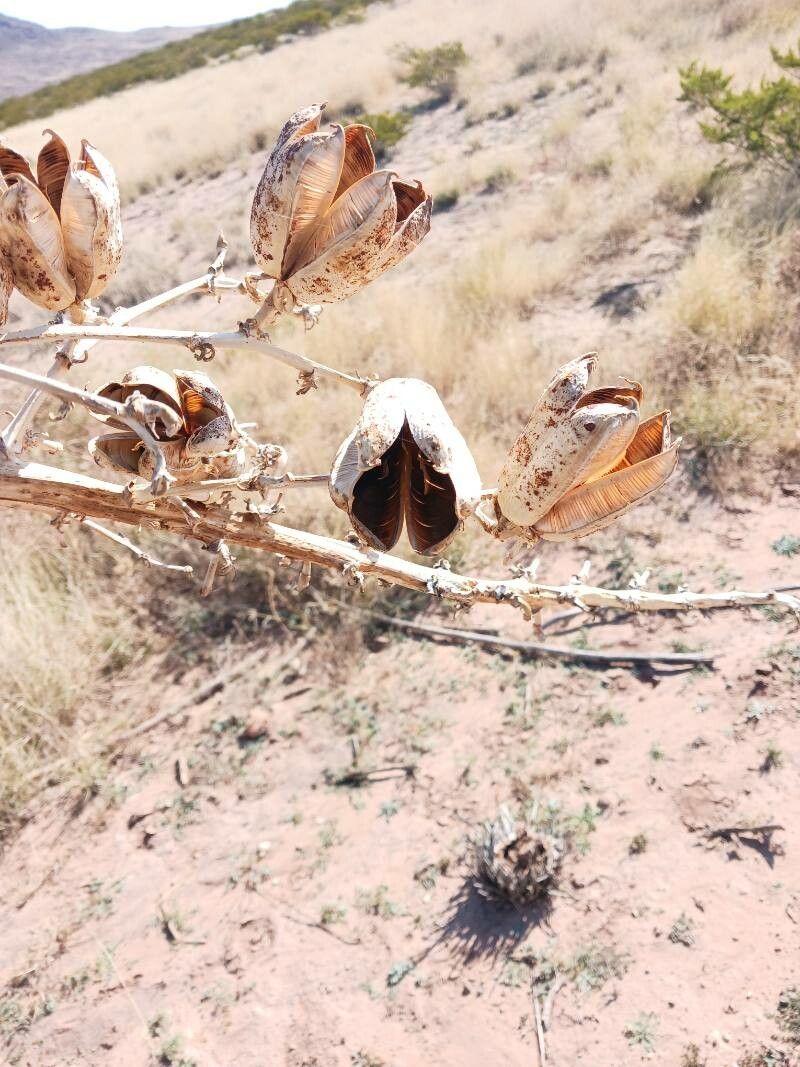
Oh, Yucca campestris! What a fantastic choice for any garden. These statuesque beauties, with their architectural rosettes of spiky leaves, bring such a dramatic flair to the landscape. And trust me, coaxing new life from your existing plants is one of the most satisfying joys of gardening. Happily, for us and our green-thumb ambitions, Yucca campestris is surprisingly easy to propagate, making it a wonderfully rewarding project even for those just starting out.
The Best Time to Start
When it comes to Yucca campestris, I find the spring is your best bet. As the days get longer and warmer, and the plant is really kicking into its growth spurt, is prime time. Think late spring, after the risk of frost has completely passed. This gives your new propagations the whole growing season to establish themselves and really get going.
Supplies You’ll Need
Before we dive in, let’s gather our tools. Having everything ready makes the process so much smoother.
- Sharp Pruning Shears or a Clean Knife: For making nice, clean cuts.
- Well-Draining Potting Mix: A cactus and succulent mix is perfect, or you can make your own by blending potting soil with perlite or coarse sand.
- Rooting Hormone (Optional but Recommended): This really gives your cuttings a helpful boost.
- Pots or Trays: If you’re starting multiple, terracotta pots are great as they breathe.
- Watering Can or Spray Bottle: For gentle watering.
- Clean, Sharp Blade: For dividing offsets.
Propagation Methods
We’ll focus on the two easiest and most reliable ways to multiply your Yucca campestris.
Stem Cuttings
This is my go-to method for Yucca campestris. It’s incredibly effective.
- Choose a Healthy Stem: Look for a mature stem that’s at least a few inches long, ideally with some leaf growth.
- Make the Cut: Using your clean pruning shears or knife, make a firm, decisive cut just below a leaf node or where the stem emerges from the main plant. You want a piece that’s about 6 to 12 inches long.
- Prepare the Cutting: Gently remove any lower leaves that might rot if buried. You can leave the rosette of leaves at the top intact.
- Let it Callus: This is a crucial step! Place the cutting in a dry, well-ventilated spot for a few days to a week. You want the cut end to form a dry, hardened scab. This prevents rot when you plant it.
- Apply Rooting Hormone (Optional): Once callused, dip the cut end into your rooting hormone, tapping off any excess.
- Plant Your Cutting: Fill a pot with your well-draining mix. Make a small hole with your finger or a pencil, and insert the callused end of the cutting into the soil. Firm the soil gently around it. You want it to stand upright.
- Water Sparingly: Water the soil lightly. The goal is to keep the soil barely moist, not wet.
Division (Offset Removal)
If your Yucca campestris has started to produce “pups” or offsets around its base, this is a simple way to get new plants.
- Gently Excavate: Carefully dig around the base of the main plant to expose the offsets. You might need to move some soil to see where they attach.
- Separate the Offset: Using a clean, sharp blade or a trowel, carefully cut or pry the offset away from the mother plant. Try to get a piece with some of its own roots attached if possible.
- Prepare the Offset: If the offset is large, you can remove some of the lower leaves to help reduce moisture loss.
- Plant the Offset: Plant it in a pot with well-draining soil, as you would a stem cutting. Water it in gently.
The “Secret Sauce” (Pro Tips)
Here are a couple of tricks I’ve picked up over the years that really make a difference.
- Don’t Overwater Early On: This is where most people go wrong with succulents and yuccas. They think more water equals faster roots, but it just leads to rot. Let the soil dry out almost completely between waterings, especially in the initial stages. A spray bottle can be your friend here for gentle misting.
- A Little Warmth Goes a Long Way: While not strictly necessary, placing your pots on a heat mat designed for plant propagation can significantly speed up root formation. Yucca campestris loves warmth, and bottom heat mimics what they’d experience in their natural environment.
Aftercare & Troubleshooting
Once roots have started to form (you can gently tug on the cutting – if there’s resistance, you have roots!), you’ll want to adjust your care slightly.
Continue to water sparingly, allowing the soil to dry out between waterings. Gradually increase watering as the plant grows stronger and develops a more robust root system.
The biggest issue you’ll likely face is rot. If your cutting turns mushy, black, or smells unpleasant, it’s likely rotted. This is usually due to overwatering or not letting it callus properly. If you catch it early, you might be able to cut away the rotted part and try again, ensuring you let it callus longer. Sometimes, a cutting just doesn’t take, and that’s okay! Don’t get discouraged.
A Green Thumb’s Encouraging Closing
Propagating Yucca campestris is a wonderful way to expand your collection and share these resilient plants with friends. Be patient with the process. You’re working with nature, and sometimes it has its own timeline. Enjoy the journey, celebrate each tiny success, and soon you’ll be surrounded by your own beautiful Yucca offspring! Happy gardening!
Resource:
https://identify.plantnet.org/k-world-flora/species/Yucca%20campestris%20McKelvey/data