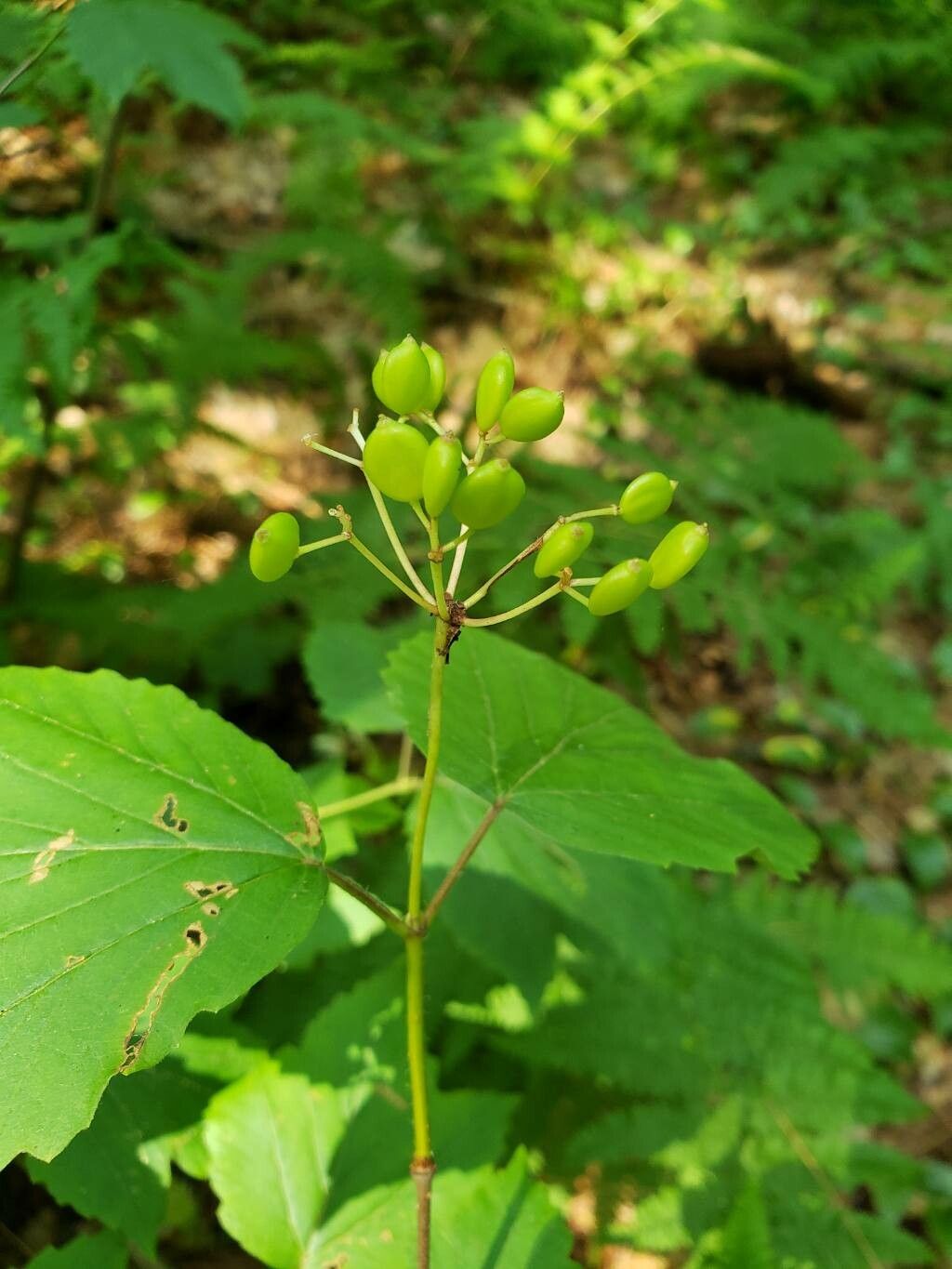
Oh, hello there! I’m so glad you stopped by. Today, we’re going to talk about a shrub that really holds a special place in my heart: Viburnum acerifolium, or as many of us lovingly call it, Mapleleaf Viburnum.
Why You’ll Love Mapleleaf Viburnum (And Propagating It!)
This beautiful shrub is a gem for so many reasons. It boasts lovely, lobed leaves that transform into gorgeous shades of red and purple in the fall, reminiscent of maple leaves. Plus, it produces clusters of delicate white flowers in spring, followed by attractive fruit that wildlife adores. It’s a true native woodland star, offering structure and color without demanding a lot of fuss.
And propagating it? Well, consider it a journey of discovery. It’s a wonderfully rewarding way to fill your garden with more of a good thing, share with friends, or simply understand the magic of plant growth up close. For beginners, I’d say Mapleleaf Viburnum is moderately easy to propagate. It’s not quite as hands-off as some, but with a little attention, you’ll be pleased with your results.
When to Get Your Hands Dirty
The best time to take cuttings from Mapleleaf Viburnum is in the early summer, typically late May through June. You’re looking for semi-hardwood cuttings. This means the current season’s growth has started to firm up a bit but isn’t yet woody and stiff. Pinch a new stem; if it snaps cleanly, it’s probably just right.
Gathering Your Tools for Success
Before you dive in, let’s make sure you have everything you need. It’s always better to be prepared!
- Sharp Pruning Shears or a Craft Knife: Clean cuts are crucial.
- Rooting Hormone (Optional but Recommended): A little boost can significantly improve your success rate. Look for one with _____ (I often use indole-3-butyric acid – IBA).
- A Well-Draining Potting Mix: I like a blend of equal parts peat moss or coco coir, perlite, and coarse sand. This ensures good aeration and prevents waterlogging.
- Small Pots or Trays: Clean containers are a must to avoid disease.
- Plastic Bags or a Clear Dome: To create a humid environment for your cuttings.
- Labels and a Waterproof Marker: Because you will forget what you planted where.
- A Watering Can with a Fine Rose: For gentle watering.
Bringing New Life: Propagation Methods
We’ll focus on the most reliable method for Mapleleaf Viburnum: stem cuttings.
Stem Cuttings: The Tried-and-True Method
- Select Your Cuttings: Head out to your healthy Mapleleaf Viburnum bush in early summer. Look for those semi-hardwood stems. You want cuttings that are about 4 to 6 inches long.
- Make the Cut: Using your clean pruners or knife, make a clean cut just below a leaf node. This is where roots are most likely to form.
- Prepare the Cutting: Gently remove the lower leaves, leaving only the top 2-3 sets. This prevents them from rotting in the soil and reduces moisture loss. If the remaining leaves are very large, you can cut them in half to further reduce water evaporation.
- Dip in Rooting Hormone (Optional): Dip the cut end of the stem into your rooting hormone powder or liquid. Tap off any excess.
- Plant Your Cuttings: Fill your clean pots with your prepared potting mix. Make a small hole in the center of the soil with your finger or a pencil. Insert the cutting into the hole, ensuring the leaf nodes are below the soil surface. Gently firm the soil around the stem.
- Water Gently: Water the soil thoroughly but gently. You want it moist, not soggy.
- Create a Humid Environment: This is key! Cover the pot with a clear plastic bag, securing it around the pot with a rubber band, or place the pot under a clear plastic dome. Make sure the leaves do not touch the sides of the bag as this can encourage rot.
- Find a Cozy Spot: Place your pots in a location that receives bright, indirect light. Avoid direct sun, which can scorch the young cuttings.
The “Secret Sauce” for Extra Success
Now, for a few little tricks I’ve learned over the years that can really make a difference:
- Bottom Heat is Your Friend: Whenever possible, I like to place my propagation trays on a propagator mat (heat mat). This provides gentle bottom warmth, which significantly speeds up the root-forming process. Just a little bit of warmth can be a game-changer.
- The “Tap Test” for Moisture: Instead of just poking at the soil, I’ll gently tap the side of the pot. If it feels somewhat firm and doesn’t give easily, it’s usually a good indicator that the moisture is right. Too soft, and it might be too wet.
- Don’t Be Afraid to Mist: Even with the bag or dome, a light misting of the leaves once a day can help keep them turgid and prevent them from drying out while they’re trying to root. Just a quick spritz is all it takes.
Nurturing Your Tiny Sprouts & What to Watch For
Be patient! It can take anywhere from 4 to 8 weeks, sometimes longer, for roots to develop. You’ll know they’re ready when you can gently tug on the cutting and feel resistance. You might also see new leaf growth appearing, which is a great sign.
Once roots have formed, it’s time for a bit more TLC. Gradually remove the plastic bag or dome over a few days to acclimate the new plant to drier air. Continue to keep the soil consistently moist but not waterlogged.
What if things go wrong? The most common culprit is rot. If you see mushy, black stems, or the cuttings just collapse, it’s usually a sign of too much moisture and not enough air circulation. Make sure your soil mix is excellent and that you’re not overwatering. Damping off (a fungal disease that causes seedlings and cuttings to rot at the soil line) can also be a problem, so clean tools and pots are your best defense here.
Keep Growing!
So there you have it – a little guide to coaxing more beautiful Mapleleaf Viburnums into your garden. Remember, gardening is as much about the process as it is about the outcome. Take a deep breath, enjoy the feel of the soil in your hands, and celebrate every little bit of new growth. Happy propagating!
Resource:
https://identify.plantnet.org/k-world-flora/species/Viburnum%20acerifolium%20L./data