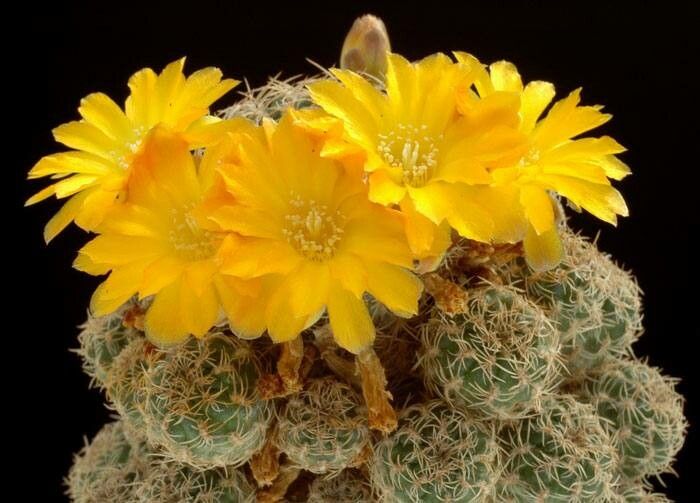
Oh, hello there! Come on in, grab a mug. Let’s chat about those delightful little Rebutia breviflora. Aren’t they just charming? Those fuzzy little globes that burst into vibrant blooms – it’s enough to make any day brighter. And the best part? Growing more of them yourself is incredibly rewarding. If you’re new to the propagating game, don’t fret. Rebutia breviflora is a wonderfully forgiving plant, making it a great one to start your propagation journey with. You’ll be sharing these beauties with friends in no time!
The Best Time to Start
For the highest success rate with Rebutia breviflora, spring is truly your best friend. This is when they’re waking up from their winter rest and are full of energy. You’re looking for a plant that’s actively growing, not one that’s been stressed or dormant. Think of it as starting when your plant is feeling its most robust and ready to put out new growth.
Supplies You’ll Need
Gathering your supplies beforehand makes the whole process so much smoother. Here’s what I usually have on hand:
- Well-draining potting mix: A cactus and succulent blend is perfect. You can also mix your own with equal parts potting soil, perlite, and coarse sand.
- Sharp, clean pruning shears or a craft knife: Clean tools are crucial to prevent disease.
- Rooting hormone (optional but recommended): This gives your cuttings a little boost.
- Small pots or trays: Terracotta pots are great because they breathe well.
- Watering can or spray bottle: For gently moistening the soil.
- Gravel or perlite: For improved drainage in the pots.
Propagation Methods
Rebutia breviflora is a pro at producing offsets, those lovely little baby plants that cluster around the mother. This makes division the easiest and most reliable method for propagation.
- Gently unpot your Rebutia breviflora. Be careful not to damage the roots.
- Inspect the base of the plant. You’ll see where the offsets have emerged.
- Carefully separate the offsets. If they have their own roots, even better! If not, don’t worry too much. You can often gently pull them away from the main plant. If they’re stubborn, use your clean pruning shears or knife to make a clean cut.
- Allow the cut end to callus over. This is vital! Place the separated offsets in a dry, well-ventilated spot for a few days until the cut surface is dry and sealed. This prevents rot.
- Pot up the callused offsets. Use small pots filled with your well-draining cactus mix. Plant them just deep enough so they stand upright.
- Water sparingly. Wait a week or two after potting before watering lightly. The goal is to encourage root growth, not to make things soggy.
The “Secret Sauce” (Pro Tips)
Now, for a couple of little tricks I’ve picked up over the years. These might seem minor, but they make a big difference!
- Don’t drown them! When watering your new offsets, it’s better to underwater than overwater. A light misting or a very gentle watering at the base is all they need. Excess moisture is the quickest way to invite rot.
- Bottom heat is your friend. If you can, place your newly potted offsets on a heat mat set to a gentle temperature (around 70-75°F / 21-24°C). This warmth encourages root development from below, giving your little ones a fantastic start. You can often find affordable seedling heat mats online or at garden centers.
Aftercare & Troubleshooting
Once your offsets are potted, keep them in a bright spot with indirect light. Avoid direct sun for the first few weeks, as a young plant can easily scorch. Continue to water sparingly, only when the soil has dried out completely.
The most common issue you’ll encounter is rot, which shows up as a mushy, brown base. If you see this, act fast! Remove the affected part immediately. Sadly, if an offset has rotted, it’s usually a lost cause, but it’s a good lesson learned. Another sign of failure is if the offsets shrivel and dry up entirely, which usually means they didn’t get enough moisture or their roots weren’t established before being separated.
A Little Patience Goes A Long Way
There you have it! Propagating Rebutia breviflora is a journey, not a race. Be patient, observe your little plants, and celebrate every bit of progress. It’s so satisfying to watch them grow and eventually bloom. Happy propagating!
Resource:
https://identify.plantnet.org/k-world-flora/species/Rebutia%20breviflora%20(Backeb.)%20D.R.Hunt/data