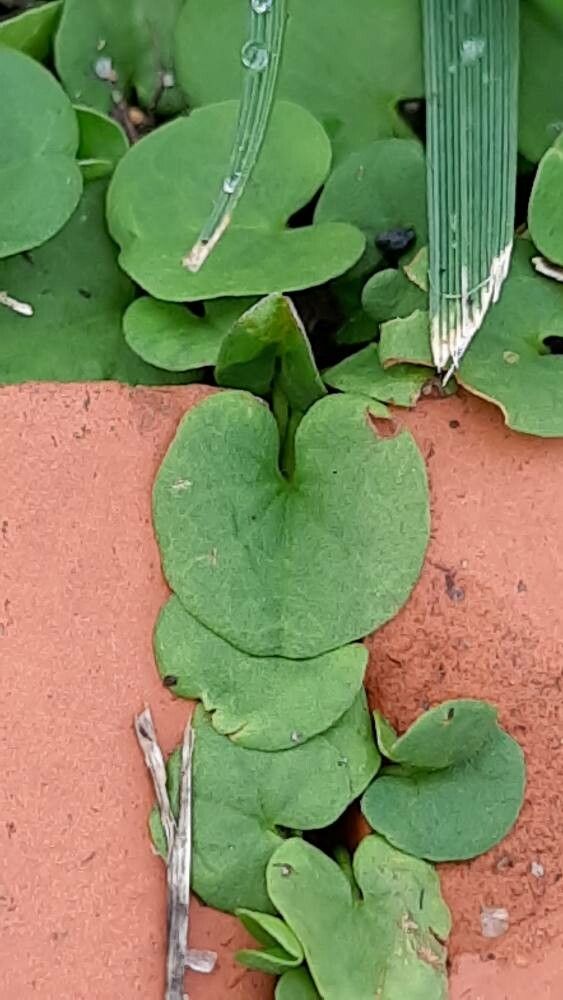
Hello fellow plant lovers! Today, we’re diving into the wonderful world of propagating Dichondra carolinensis, or as many of us fondly call it, Carolina Ponyfoot. This charming little groundcover, with its delicate, kidney-shaped leaves, is an absolute gem in any garden. It drapes beautifully over the edges of pots, spills over rock walls, and creates a lush, living carpet in shady spots. And the best part? It’s wonderfully easy to share!
There’s a special kind of magic in taking a tiny piece of a plant and watching it grow into a whole new one. Propagating Dichondra is a fantastic way to fill out your garden beds, create gifts for friends, or simply expand your collection without breaking the bank. For beginners? You’re in luck! Dichondra is very forgiving, making it a perfect plant to start your propagation journey with.
The Best Time to Start
When it comes to getting the most bang for your buck with propagation, spring is your best friend for Dichondra carolinensis. As the plant emerges from its winter dormancy and hits its stride in warmer weather, it’s brimming with energy. This vigorous growth phase means it has plenty of resources to draw from to sprout new roots. Late spring and early summer are also excellent times, as long as you can provide consistent warmth and moisture.
Supplies You’ll Need
Gathering your tools beforehand makes the process so much smoother. Here’s what you should have on hand:
- Sharp Pruning Shears or Scissors: Clean tools are essential to prevent disease.
- Small Pots or Seedling Trays: Anything from 2-4 inch pots will do nicely.
- Well-Draining Potting Mix: A good all-purpose potting mix, or a blend of half potting soil and half perlite or coarse sand, works wonders.
- Rooting Hormone (Optional but Recommended): This isn’t strictly necessary for Dichondra, but it can give your cuttings a helpful boost.
- Small Watering Can or Spray Bottle: For gentle watering.
- Clear Plastic Bags or Domes: To create a humid environment for your cuttings.
Propagation Methods
Dichondra is a real trooper, and you can have success with a couple of straightforward methods.
Stem Cuttings
This is my go-to for Dichondra. It’s simple and yields great results.
- Take Your Cuttings: In spring or early summer, look for healthy, non-flowering stems. Using your sharp pruning shears, snip off pieces that are about 3-4 inches long. Try to take them from the actively growing tips of the plant.
- Prepare the Cuttings: Gently remove the leaves from the bottom half of each cutting. You want to expose a few leaf nodes, which are the points where leaves emerge from the stem, as this is where roots will form.
- Apply Rooting Hormone (If Using): Dip the cut end of each stem into your rooting hormone powder, tapping off any excess.
- Plant Your Cuttings: Fill your small pots with your well-draining potting mix. Make a small hole in the center of the soil with your finger or a pencil. Insert the bottom half of the cutting into the hole and gently firm the soil around it. You can place several cuttings in one pot, spaced a couple of inches apart.
- Water and Cover: Water the soil gently until it’s moist but not soggy. Place the pots in a location that receives bright, indirect light. To maintain humidity, cover the pots with a clear plastic bag, securing it around the pot with a rubber band. You can also use a clear plastic dome.
Water Propagation
This method is a bit more visual and incredibly satisfying to watch!
- Take Cuttings: Follow the same steps as above to take and prepare your stem cuttings.
- Place in Water: Fill a small glass or jar with fresh water. Place the cuttings in the water, ensuring that the leaf nodes are submerged, but the leaves themselves are not touching the water. This is crucial to prevent rot.
- Change Water Regularly: Change the water every few days to keep it fresh and oxygenated.
- Provide Light: Place the jar in a spot with bright, indirect light.
The “Secret Sauce” (Pro Tips)
After years of playing in the dirt, I’ve picked up a few tricks that make a difference.
- Don’t Let the Leaves Touch the Water (When Water Propagating): I can’t stress this enough! If the leaves sit in water, they’ll quickly turn mushy and rot, taking your cutting down with them. Pinch off any leaves that might get submerged.
- A Kiss of Bottom Heat is Lovely: While not strictly essential for Dichondra, placing your pots on a gentle heat mat can significantly speed up the rooting process. It mimics the warmth of spring soil and gives those roots an extra encouragement to emerge.
- Don’t Rush the Transplant: When propagating in water, wait until the roots are at least an inch long before attempting to plant them in soil. For stem cuttings in soil, give them a gentle tug after a few weeks. If you feel resistance, that’s a good sign roots have formed.
Aftercare & Troubleshooting
Once your Dichondra starts showing signs of life, it’s time to nurture those new plants.
- For Cuttings in Soil: Once you see new growth, meaning tiny leaves are unfurling, you can gradually remove the plastic bag over a few days to acclimate them to lower humidity. Continue to keep the soil consistently moist and in bright, indirect light. Once they are well-established, you can transplant them into their own pots or their permanent garden spot.
- For Cuttings in Water: When the roots are a good inch or so long, carefully plant them in pots filled with your well-draining potting mix. Treat them just like the soil cuttings thereafter – water gently and provide bright, indirect light.
Now, what if things go wrong? The most common culprit is rot, which usually happens when the cuttings are too wet, either in the soil or the water. If you see mushy, brown stems or leaves, sadly, that cutting is likely lost. Don’t be discouraged! Just pull it out, check your watering habits, and try again. Sometimes, a cutting simply doesn’t root. That’s also perfectly normal! Nature is full of experiments, and not every one is a runaway success.
A Encouraging Closing
Growing new plants from cuttings is one of the most rewarding aspects of gardening. It’s a chance to connect with nature on a deeper level, to be patient, and to witness the incredible resilience of life. So go ahead, grab those shears, and start sharing the joy of this beautiful Dichondra. Be patient with yourself and the process, and enjoy the thrill of watching your new little gardens grow! Happy propagating!
Resource:
https://identify.plantnet.org/k-world-flora/species/Dichondra%20carolinensis%20Michx./data