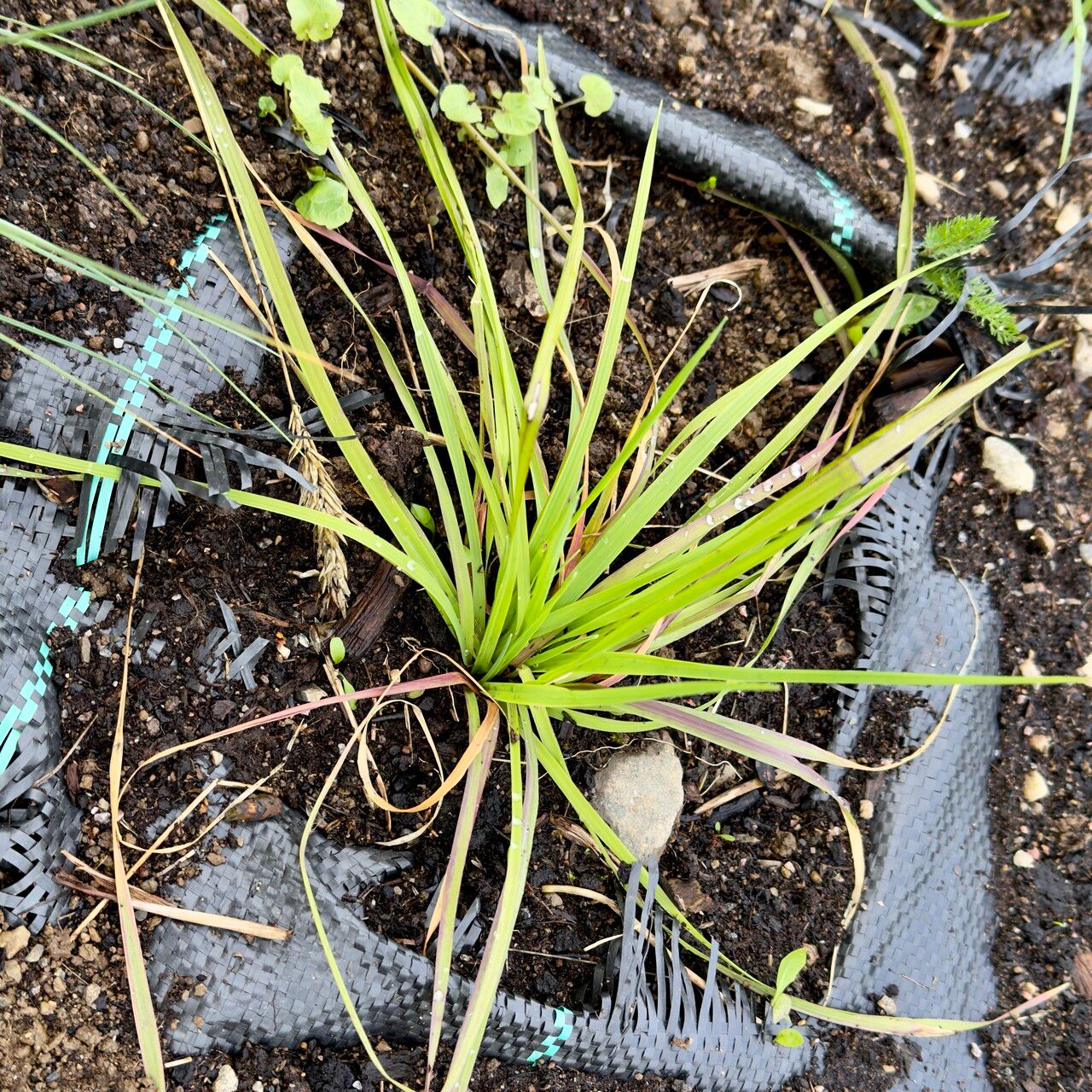
Hello, fellow garden enthusiasts! It’s wonderful to have you here. Today, we’re going to talk about a grass that often gets overlooked but truly deserves a spot in our hearts and landscapes: Danthonia compressa, or Flattened Oat Grass. If you’re drawn to delicate textures and subtle beauty, this one’s for you. Its airy inflorescences and graceful, arching foliage bring a touch of the wild meadow right into your garden. And the best part? Propagating it is a deeply rewarding experience, offering a tangible connection to the plant’s life cycle. For those just dipping their toes into the world of plant propagation, I’d say Danthonia compressa is a good friend to have. It’s not overly fussy, making it a lovely choice for beginners looking to expand their plant family without too much stress.
The Best Time to Start
When it comes to giving your Danthonia compressa the best chance at success, spring is your golden ticket. As the temperatures begin to warm up and the days lengthen, the plants themselves are waking from their winter slumber and gearing up for active growth. This is when their energy levels are high, and they are primed to dedicate themselves to sending out new roots. Aim to propagate just as you see new shoots emerging from the soil, or after the plant has fully leafed out but before it starts setting seed. This typically falls between late March and May, depending on your local climate.
Supplies You’ll Need
Ready to get your hands a little dirty? Here’s what you’ll want to have on hand to make the process smooth sailing:
- Sharp Pruning Shears or a Clean Knife: For making clean cuts.
- Well-Draining Potting Mix: I like a blend of potting soil, perlite, and a bit of coarse sand for excellent aeration. About a 2:1:1 ratio works wonders.
- Small Pots or Trays: Clean, with drainage holes, of course!
- Rooting Hormone (Optional, but helpful): A powder or gel form.
- Watering Can with a Fine Rose: For gentle watering.
- Labels and a Marker: So you don’t forget what you planted!
- A Small Spade or Trowel: For dividing plants.
Propagation Methods
For Danthonia compressa, the most straightforward and successful method is division. This grass doesn’t produce fluffy seeds in the way some other ornamentals do, and stem cuttings can be a bit more challenging. Division is like giving your mature plant a little haircut and a fresh start.
Here’s how to do it:
- Prepare Your Parent Plant: Water your Danthonia compressa thoroughly a day or two before you plan to divide it. This helps to hydrate the plant and make the root ball easier to work with.
- Gently Excavate: Carefully dig around the base of the plant with your trowel. You want to lift the entire root ball out of its current location or pot.
- Clean the Roots: Gently shake off some of the excess soil from the root ball. This will help you better see where the natural divisions are.
- Divide with Care: This is the key step. You can often find natural breaks in the root system where new shoots are already emerging. Use your hands to gently pull the root ball apart into smaller sections. If it’s a bit stubborn, you can use your clean knife or pruning shears to carefully cut through dense root masses, ensuring each division has at least a few healthy roots and some leafy shoots. Think of it as separating a family of plants—you want each new baby to have enough to get started.
- Pot Up Your New Babies: Fill your small pots with your prepared potting mix. Make a small hole in the center of each pot and place one division inside. Gently firm the soil around the roots, making sure the base of the shoots is at or just below the soil surface.
- Water Lightly: Water each new pot gently. You want the soil to be evenly moist, but not waterlogged.
The “Secret Sauce” (Pro Tips)
While division is quite forgiving, here are a couple of my little secrets to really boost your success rates with grasses like Danthonia compressa:
- Don’t Overcrowd: When you’re dividing, resist the urge to make your divisions too small. A division that’s too tiny might struggle to establish. Aim for sections that are a decent size, with a good clump of roots and several shoots. It’s better to have fewer, stronger new plants than many weak ones.
- Mimic Natural Conditions: After potting, place your divisions in a partially shaded spot for the first week or two. They’ve experienced a shock, and direct, hot sun can dehydrate them before they’ve had a chance to establish roots. Think of it as a quiet, nurturing rest period.
Aftercare & Troubleshooting
Once your new Danthonia compressa divisions are potted, treat them with a little tender loving care. Keep the soil consistently moist but not soggy. This is crucial. Overwatering is the quickest way to invite trouble. You should begin to see signs of new growth within a few weeks.
The most common sign of trouble you might encounter is root rot. If you notice the leaves turning yellow and mushy, or if the whole plant seems to be collapsing, it’s a strong indicator of too much moisture. If you suspect rot, you might need to gently unpot the plant and inspect the roots. If they are brown and slimy, unfortunately, it’s often too late. However, if you catch it early, you can try repotting in fresh, drier soil. Keep an eye out for wilting as well, which can sometimes signal underwatering, but usually, with grasses, too much water is the bigger culprit.
A Little Patience Goes a Long Way
And there you have it! Propagating Danthonia compressa through division is a simple, yet incredibly satisfying way to multiply this beautiful grass. Remember to be patient, observe your new plants, and celebrate every tiny sprout of new growth. Happy gardening, and may your little oat grasses thrive!
Resource:
https://identify.plantnet.org/k-world-flora/species/Danthonia%20compressa%20Austin/data