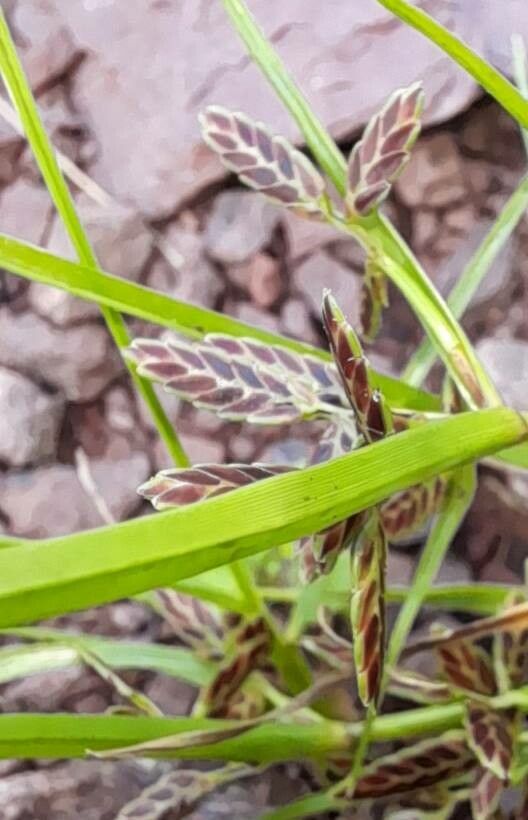
Hello there, fellow garden enthusiasts! Today, we’re diving into the wonderful world of propagating Cyperus bipartitus. If you’re looking for a plant that dances with movement and adds a touch of wild beauty to your waterscapes or damp corners, you’re in for a treat. Its graceful, cascading foliage brings a delightful softness, and there’s something incredibly satisfying about watching a tiny cutting transform into a thriving specimen.
Now, you might be wondering if this is a tough one for newbies. I’d say Cyperus bipartitus is a pretty forgiving plant, especially when it comes to propagation. With a little care and attention, most of you will find success, which is just the best feeling, isn’t it?
The Best Time to Start
The sweet spot for propagating Cyperus bipartitus is typically during its active growing season. Spring and early summer are ideal. When the weather is warm and the plant is really putting on a show, your cuttings will have the best energy reserves to root and grow. You can also take divisions in early autumn, but spring is often where I see the quickest results.
Supplies You’ll Need
Gathering your supplies beforehand makes the whole process so much smoother. Here’s what I usually have on hand:
- Sharp, clean secateurs or scissors
- A well-draining potting mix. I like a blend of peat moss or coco coir with perlite or coarse sand.
- Small pots or trays for your cuttings.
- A clean knife for divisions.
- Rooting hormone (optional, but can give an extra boost).
- A spray bottle for misting.
- A clear plastic bag or propagator lid to maintain humidity.
- Some water!
Propagation Methods
Cyperus bipartitus is quite accommodating, and I find two methods particularly effective: division and stem cuttings.
Division
This is my go-to for mature plants. It’s like giving your established clump a fresh start and a good prune all at once!
- Gently remove the plant from its pot or from the ground if it’s planted out. Be careful not to damage the roots too much.
- Loosen the soil around the root ball.
- Using a clean knife or even your hands, carefully separate the root ball into smaller sections. Aim for pieces that have a good balance of roots and foliage.
- Trim off any damaged or dead roots or foliage.
- Pot up each division into its own container with your well-draining mix. Water thoroughly.
Stem Cuttings
This is a fantastic way to get multiple new plants from a single parent. It might seem a bit fiddly at first, but it’s really quite straightforward.
- Select healthy stems from your Cyperus bipartitus. Look for stems that are firm and have good green foliage.
- Using your sharp secateurs, take cuttings about 4-6 inches long. Make the cut just below a leaf node (where a leaf attaches to the stem).
- Remove the lower leaves from the cutting, leaving just a few at the top. This helps prevent rot and directs the plant’s energy towards rooting.
- (Optional) Dip the cut end in rooting hormone.
- Fill your small pots or trays with your potting mix. Make a small hole in the center for each cutting.
- Insert the cuttings into the holes, firming the soil gently around them.
- Water the soil thoroughly to settle it around the cuttings.
- Place the pots in a propagator or cover them loosely with a plastic bag or lid to create a humid environment. This is crucial!
The “Secret Sauce” (Pro Tips)
Here are a few things I’ve learned over the years that can really tip the scales in your favor:
- Don’t let those lower leaves touch the soil or stagnant water. This is a prime spot for rot to set in, and we want healthy roots, not mushy stems! If you’re doing water propagation, ensure the leaves are well above the water line.
- Bottom heat is your friend. If you have a heat mat, placing your pots on it can significantly speed up root development. It mimics the warmth of spring and really encourages those little root hairs to form.
- Be patient with initial watering. After potting up cuttings or divisions, keep the soil consistently moist but not waterlogged. A gentle misting from your spray bottle can help keep the foliage hydrated while the roots are establishing.
Aftercare & Troubleshooting
Once you see roots emerging from the drainage holes or new growth appearing on your cuttings, you’re on your way! Gradually acclimate your new plants to less humid conditions. Once they have a good root system, you can pot them into slightly larger containers with their own fresh soil. Continue to water them regularly, ensuring they don’t dry out completely.
The most common issue you’ll run into is rot. If your cuttings start turning mushy or yellowing without any signs of rooting, it’s usually a sign of too much moisture and not enough air circulation. Remove the affected cuttings immediately and reassess your watering and humidity levels. If you’re dividing and the sections seem to be struggling, make sure they have enough moisture and are kept in a warm, bright spot.
A Encouraging Closing
Propagating plants is such a rewarding part of gardening. It’s a chance to share your love for plants with friends, fill in those bare spots in your own garden, and simply marvel at nature’s ability to regenerate. Be patient with your Cyperus bipartitus cuttings, celebrate every little bit of progress, and most importantly, enjoy the process of creating something new! Happy propagating!
Resource:
https://identify.plantnet.org/k-world-flora/species/Cyperus%20bipartitus%20Torr./data