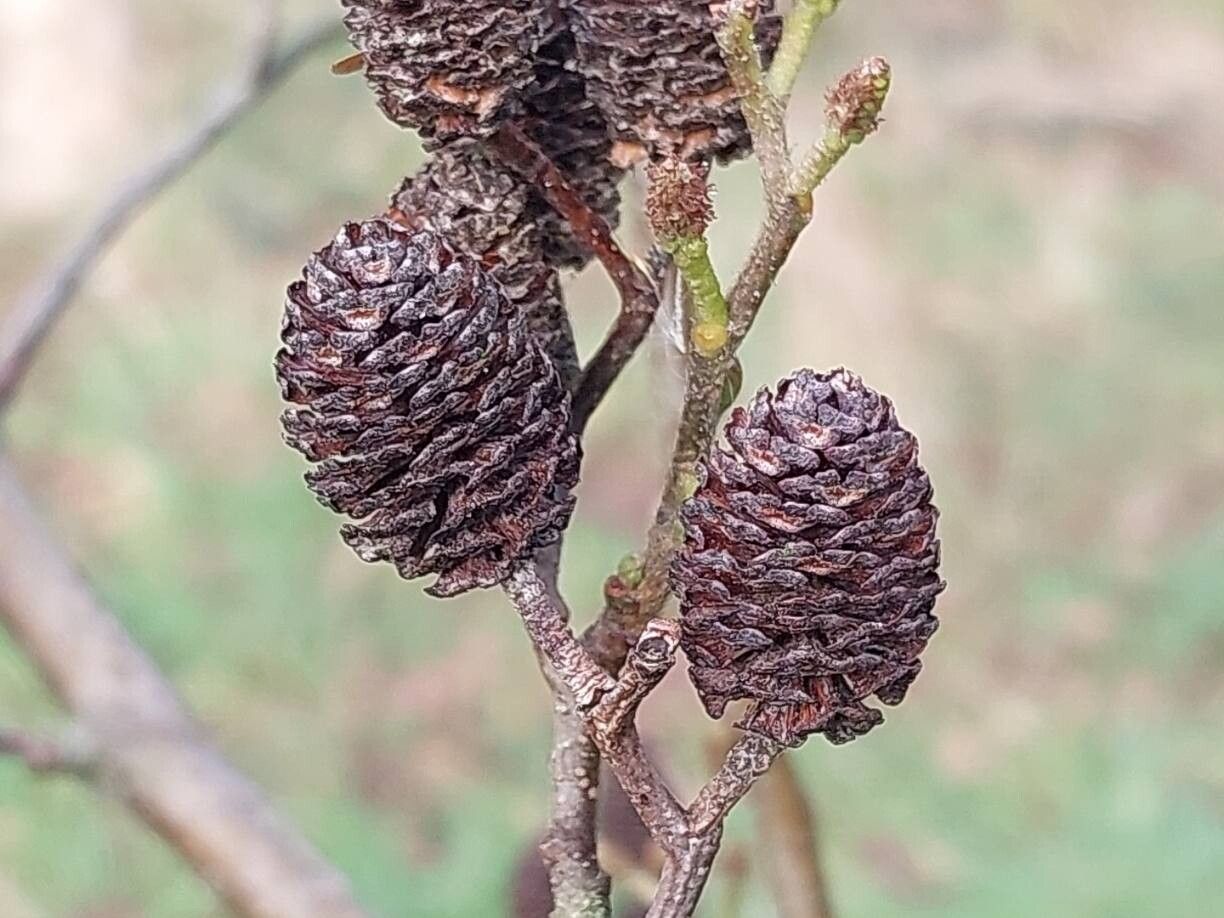
Hey there, fellow plant lovers! It’s so good to have you here. Today, we’re diving into the wonderful world of propagating Alnus formosana, or the Taiwan alder. If you’re looking for a tree that brings a touch of elegance and ecological benefit to your garden, you’re in for a treat. These trees are lovely, and successfully growing new ones from your existing plants is such a fulfilling experience. For the beginner gardener, I’d say Alnus formosana is moderately challenging, but with a little care and patience, you’ll be rewarded.
The Best Time to Start
Timing is everything, isn’t it? For the best chance of success with Alnus formosana, aim to take cuttings in late spring or early summer. This is when the plant is actively growing and has plenty of youthful energy to put into developing roots. You’ll be looking for stems that are semi-hardwood – not brand new and floppy, but not old and woody either. They should snap cleanly when you bend them.
Supplies You’ll Need
Gathering your tools beforehand makes the whole process much smoother. Here’s what I usually have on hand:
- Sharp pruning shears or a clean knife.
- A good quality seedling or propagation mix. I like a blend that’s airy and drains well, often with perlite and peat moss.
- Rooting hormone. While not strictly essential for every plant, it can give Alnus formosana a real boost.
- Small pots or trays with drainage holes.
- A plastic bag or propagator lid to create a humid environment.
- Labels to keep track of your cuttings!
Propagation Methods
We’ll focus on the most reliable method for Alnus formosana: stem cuttings. It’s a tried-and-true technique that works wonders for many woody plants.
-
Take Your Cuttings: On a bright morning after the dew has dried, select healthy, vigorous stems. Using your clean shears, cut sections about 4-6 inches long. Make sure each cutting has at least two sets of leaves. Remove the lower leaves, leaving just the top two or three. If the leaves are very large, I sometimes cut them in half to reduce water loss.
-
Prepare the Cuttings: If you’re using rooting hormone, dip the cut end of each stem into it. Tap off any excess. You want a light coating.
-
Plant Your Cuttings: Fill your pots with your propagation mix. Make a small hole in the center of each pot with a pencil or your finger. Gently insert the cut end of your prepared cutting into the hole, ensuring it’s deep enough to stand upright. Firm the soil gently around the base.
-
Create a Humid Environment: Water your newly planted cuttings lightly. Then, cover the pots with a plastic bag or a propagator lid. If using a bag, you can prop it up with a few stakes so it doesn’t touch the leaves. This humidity is crucial for preventing the cuttings from drying out before they can root.
The “Secret Sauce” (Pro Tips)
Over the years, I’ve picked up a few tricks that make a difference. Here are my top Alnus formosana secrets:
- Bottom Heat is Your Friend: For faster rooting, place your pots on a heat mat designed for seedlings. This gentle warmth encourages root development from below, mimicking ideal soil conditions. Alnus formosana really perks up with a little extra warmth!
- Don’t Drown Your Dreams (or Your Cuttings): While humidity is vital, avoid soggy soil. Overwatering is the quickest way to invite rot. The soil should be consistently moist but never waterlogged. Feel the soil with your finger; if it feels wet, hold off on watering.
Aftercare & Troubleshooting
Once your cuttings are planted, find them a spot with bright, indirect light. Avoid direct sun, which can scorch those delicate new leaves and dry out your cuttings too quickly.
Keep an eye on the humidity. You might need to vent the propagator every few days to allow for air circulation and prevent fungal issues.
You’ll know your cuttings are rooting when you see new leaf growth or when you give them a gentle tug and feel resistance. This can take anywhere from a few weeks to a couple of months. Once a good root system has developed, you can carefully transplant them into slightly larger pots with a good potting mix.
The most common sign of trouble is wilting and browning leaves, which often indicates the cutting has dried out. If you see this, check your humidity levels, but sadly, sometimes it’s too late. Rotting at the base of the stem is a clear sign of overwatering. If you catch it early, you might be able to save the cutting by increasing airflow and letting the soil dry slightly.
A Encouraging Closing
Growing new plants is a journey, and Alnus formosana is a beautiful reward for your efforts. Don’t be discouraged if your first attempts aren’t perfect. Every cutting you take, every observation you make, is a step forward in your gardening journey. Be patient, enjoy the magic of watching life emerge from a simple stem, and soon you’ll have a whole new grove to admire! Happy propagating!
Resource:
https://identify.plantnet.org/k-world-flora/species/Alnus%20formosana%20(Burkill)%20Makino/data