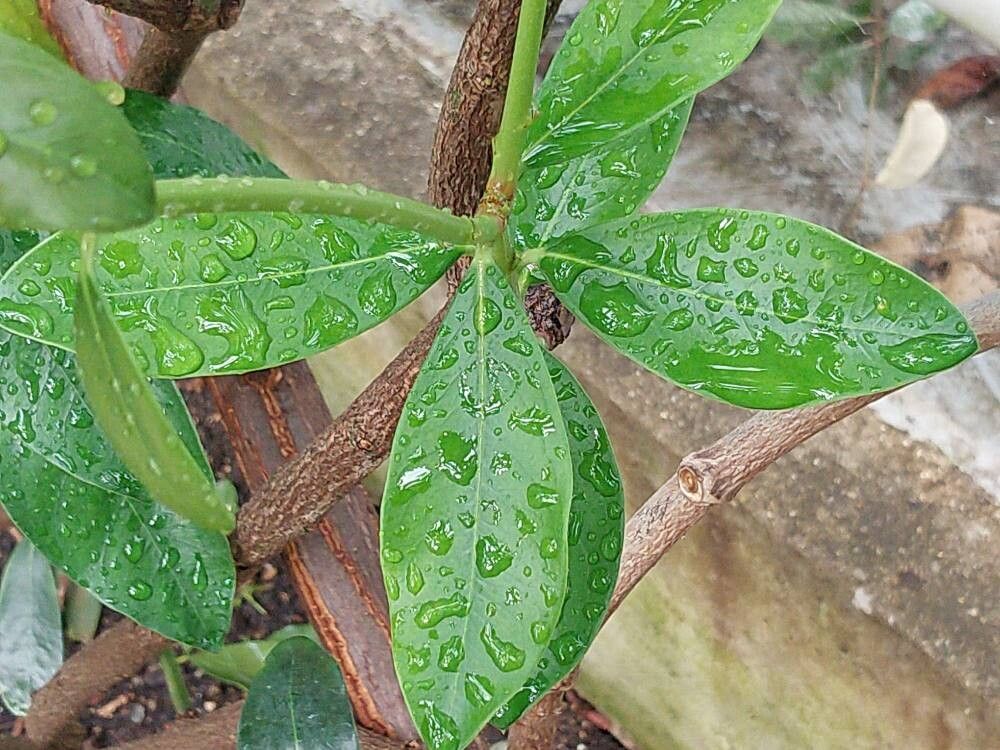
Oh, Strophanthus hispidus! What a charmer. I remember the first time I saw its exotic, star-shaped flowers, a deep, velvety crimson with an almost otherworldly glow. They smell divine, too, a sweet perfume that really comes alive in the evening. If you’ve fallen for this beauty, you’re in for a treat. Propagating it, while it has its little quirks, is absolutely doable and so incredibly rewarding. It’s not a beginner’s absolute easiest plant, but with a little patience and these tips, you’ll be well on your way.
The Best Time to Start
For Strophanthus hispidus, spring is truly your best friend. Think of it as waking up for the growing season. This is when the plant has the most energy to put into forming new roots. I usually start my propagation efforts as the days lengthen and the warmth steadily increases.
Supplies You’ll Need
Here’s what I always have on hand:
- Sharp, clean pruning shears or a sharp knife: Crucial for clean cuts that heal well.
- Strophanthus hispidus mother plant: Healthy and vigorous is key!
- Well-draining potting mix: I like a mix of peat moss, perlite, and a bit of coarse sand. You want air circulation.
- Rooting hormone powder or gel: This is a real confidence booster, especially for woody stems. Look for one containing IBA.
- Small pots or seed trays: Clean and with drainage holes, of course.
- Plastic bags or a propagator: To create a mini-greenhouse environment.
- Perlite or pebbles: For the bottom of pots to ensure great drainage.
- Watering can with a fine rose: Gentle watering is a must.
- (Optional) Heating mat: For consistent bottom heat, which can be a game-changer.
Propagation Methods
I’ve had the most success with stem cuttings. It’s reliable and gives you a good chance of multiple new plants from one healthy mother.
- Select Your Cuttings: From your healthy Strophanthus hispidus plant, choose stems that are semi-hardwood. They should be firm but still a little flexible, not completely woody or very soft and green. Side shoots are often perfect.
- Take the Cuttings: Using your clean pruners or knife, make a cut just below a leaf node. A leaf node is where a leaf joins the stem. This is where rooting hormones often work best. Aim for cuttings that are about 4-6 inches long and have at least two or three leaf nodes.
- Prepare the Cuttings: Gently remove any lower leaves, leaving just a couple at the very top. You can also trim off any flowers or developing buds; the plant’s energy is better spent on roots right now.
- Apply Rooting Hormone: Dip the cut end of the stem into your rooting hormone. Tap off any excess.
- Pot Up: Fill your small pots with your prepared, well-draining mix. Make a small hole in the center with your finger or a pencil.
- Plant the Cuttings: Insert the hormone-coated end of the cutting into the hole, ensuring at least one leaf node is below the soil surface. Gently firm the soil around the cutting.
- Water Gently: Give the soil a good, gentle watering. You want it moist, but not waterlogged.
- Create a Humid Environment: Cover the pots with a clear plastic bag, supported by stakes so it doesn’t touch the leaves. Alternatively, place them in a propagator. This humidity is vital.
- Provide Light and Warmth: Place the pots in a bright location but out of direct, harsh sunlight. A warm spot is ideal, and this is where the heating mat can be incredibly helpful.
The “Secret Sauce” (Pro Tips)
Here are a couple of things I’ve learned over the years that seem to make a big difference:
- Don’t let those precious leaves touch the water! If you’re doing water propagation (which I find less successful for Strophanthus than cuttings, but possible), make sure the leaves are well above the water line. Any submerged foliage is a prime invitation for rot.
- Bottom heat, bottom heat, bottom heat! Seriously, if you can swing a small seedling heating mat, it will dramatically speed up root formation and increase your success rate. Consistent warmth from below is like giving your cuttings a cozy hug to encourage root growth.
- Be patient with the rooting hormone. Some people get impatient and reapply it. Resist the urge! One application at the start is usually sufficient.
Aftercare & Troubleshooting
Once your cuttings have developed roots, you’ll notice new growth. A good indicator is when the cuttings are harder to gently tug on without resistance.
- Harden off slowly: Once you see roots and new growth, it’s time to gradually introduce them to less humid conditions. Open the plastic bag a little each day or lower the humidity in your propagator over a week or two.
- Repotting: When the roots have filled the pot (you might see them peeking through the drainage holes), it’s time to move them into slightly larger pots with your regular potting mix.
- Watch for Rot: The biggest culprit for failure is overwatering and poor drainage, leading to rot. If your cuttings look mushy, discolored, or smell foul, they’ve likely succumbed to rot. Ensure good air circulation and that the soil dries out slightly between waterings. If you see a bit of wilting but no sign of rot, it might just be that they need more humidity.
A Encouraging Closing
Propagating Strophanthus hispidus is a journey, and like any good journey, it’s about the process. Don’t be discouraged if your first attempts aren’t perfect. Read the plant, adjust your approach, and most importantly, enjoy the magic of creating new life from a cutting. Happy gardening!
Resource:
https://identify.plantnet.org/k-world-flora/species/Strophanthus%20hispidus%20DC./data