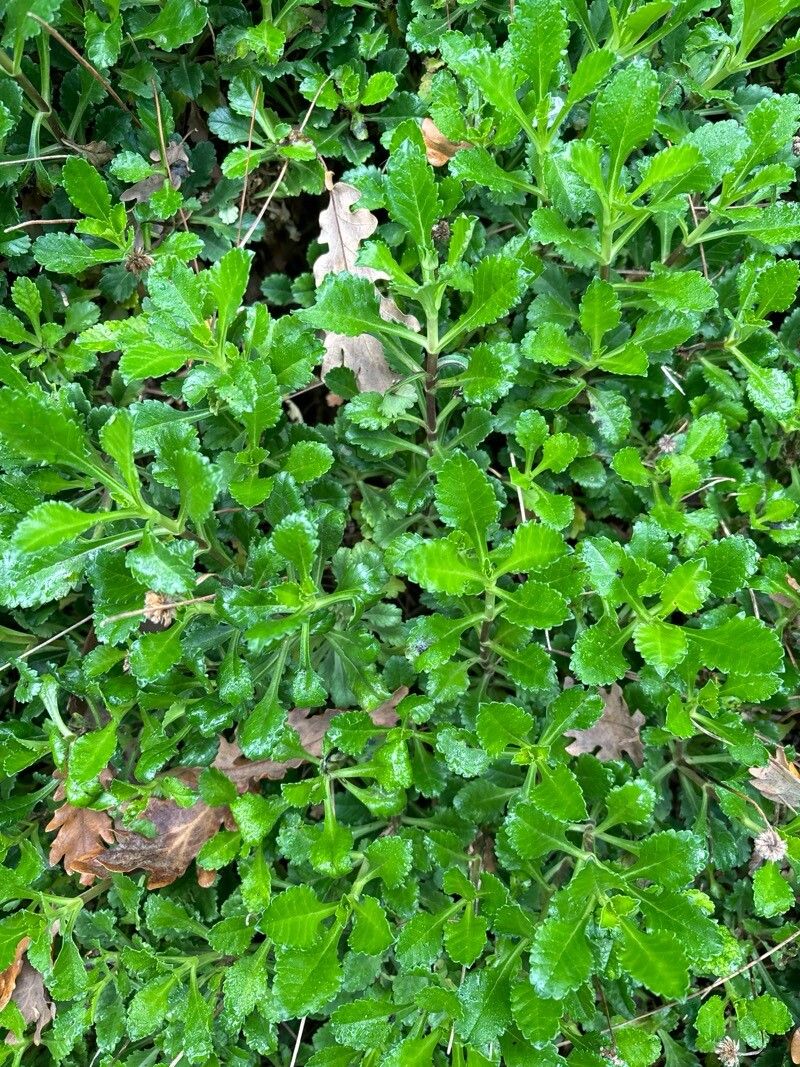
Ah, Scabiosa farinosa! If you’ve ever fallen for those delicate, airy pincushions gracing a garden border, you know exactly what I mean. They bring such a wonderful lightness, a gentle flutter that makes you want to lean in and admire them. And guess what? Getting more of these beauties for yourself is absolutely achievable. Think of it as sharing a little bit of garden magic. For those new to propagating, I’d say Scabiosa farinosa is moderately easy, a lovely plant to start your propagation journey with. It’s a rewarding plant to multiply, and soon you’ll have more of those enchanting blooms to fill your garden or share with friends.
The Best Time to Start
When it comes to Scabiosa farinosa, spring is truly your friend. Aim to take cuttings in late spring or early summer, just as the plant is in its active growth phase. This is when the stems are pliable and have that youthful energy that makes them eager to root. You can also have some success with cuttings taken in early fall, but spring generally offers a higher success rate and a longer growing season for your new babies.
Supplies You’ll Need
Gathering your tools beforehand makes the whole process much smoother. Here’s a handy list:
- Sharp, clean pruning shears or a keen knife: For taking neat cuttings.
- Rooting hormone powder or gel: This isn’t strictly necessary for Scabiosa farinosa, but it can give your cuttings a real boost.
- Small pots or cell trays: About 2-3 inches in size, with drainage holes.
- A propagator or clear plastic bag: To create a humid environment.
- Seed starting mix or a well-draining potting blend: I like a mix of peat moss, perlite, and a bit of sharp sand.
- Spray bottle: For gentle watering.
- Labels and a permanent marker: To keep track of what you’ve planted.
Propagation Methods: Stem Cuttings
This is my go-to method for Scabiosa farinosa. It’s straightforward and generally very successful.
- Select your parent plant: Choose a healthy, vigorous Scabiosa farinosa plant that’s free from pests and diseases.
- Take your cuttings: Look for new, non-flowering shoots. Using your sharp clean shears, cut stems that are about 3-4 inches long. Make your cut just below a leaf node – that’s the point where a leaf attaches to the stem.
- Prepare the cuttings: Gently remove the lower leaves from the cutting, leaving just a couple of leaves at the top. This reduces water loss and prevents leaves from rotting in the soil. If you’re using rooting hormone, dip the cut end into it now, tapping off any excess.
- Plant your cuttings: Fill your small pots or cell trays with your prepared potting mix. Make a small hole in the center of each pot with your finger or a pencil. Insert the cut end of the Scabiosa cutting into the hole, ensuring the node is buried. Gently firm the soil around the cutting.
- Water and cover: Water the soil gently with your spray bottle until it’s evenly moist. Then, place the pot inside a propagator or cover it loosely with a clear plastic bag. This creates a mini greenhouse effect, keeping the humidity high, which is crucial for cuttings.
The “Secret Sauce” (Pro Tips)
Here are a few little tricks I’ve learned over the years that can make a big difference:
- Don’t be afraid to be ruthless with leaf removal! Leaving too much foliage on your cuttings is a common mistake. Those lower leaves are just going to rot against the soil and encourage disease. Strip them right off.
- Give them a little warmth. If you have a heated propagator or can place your pots on a heating mat, you’ll find that root development is significantly faster. It’s like giving them a cozy incubator.
- Patience is key with watering. You want the soil to be consistently moist, never waterlogged or bone dry. A light misting with your spray bottle is usually sufficient. Overwatering is one of the quickest ways to lose cuttings to rot.
Aftercare & Troubleshooting
Once your Scabiosa farinosa cuttings have started to root – you’ll often see new leaf growth or feel a gentle tug when you lightly pull on a cutting – it’s time to adjust their care.
Gradually acclimate your new plants to normal conditions. Lift the propagator lid or poke a few holes in the plastic bag for a few days before removing it entirely. Continue to water gently, allowing the soil to dry out slightly between waterings. You can start feeding them with a diluted liquid fertilizer every few weeks once they are well-established.
The most common culprit of failure is rot, usually caused by overwatering or poor drainage. If you see stems turning mushy or blackening, it’s a sign of trouble. Unfortunately, once rot sets in, it’s hard to save the cutting. Keeping the environment airy and the soil moist but not soggy is your best defense.
A Encouraging Closing
Propagating plants is such a wonderful way to connect with nature and really understand the life cycle of your beloved garden residents. Don’t be discouraged if not every cutting takes – it’s all part of the learning process! Be patient, enjoy the quiet satisfaction of watching tiny roots unfurl, and before you know it, you’ll have a whole new patch of Scabiosa farinosa to admire. Happy propagating!
Resource:
https://identify.plantnet.org/k-world-flora/species/Scabiosa%20farinosa%20Coss./data