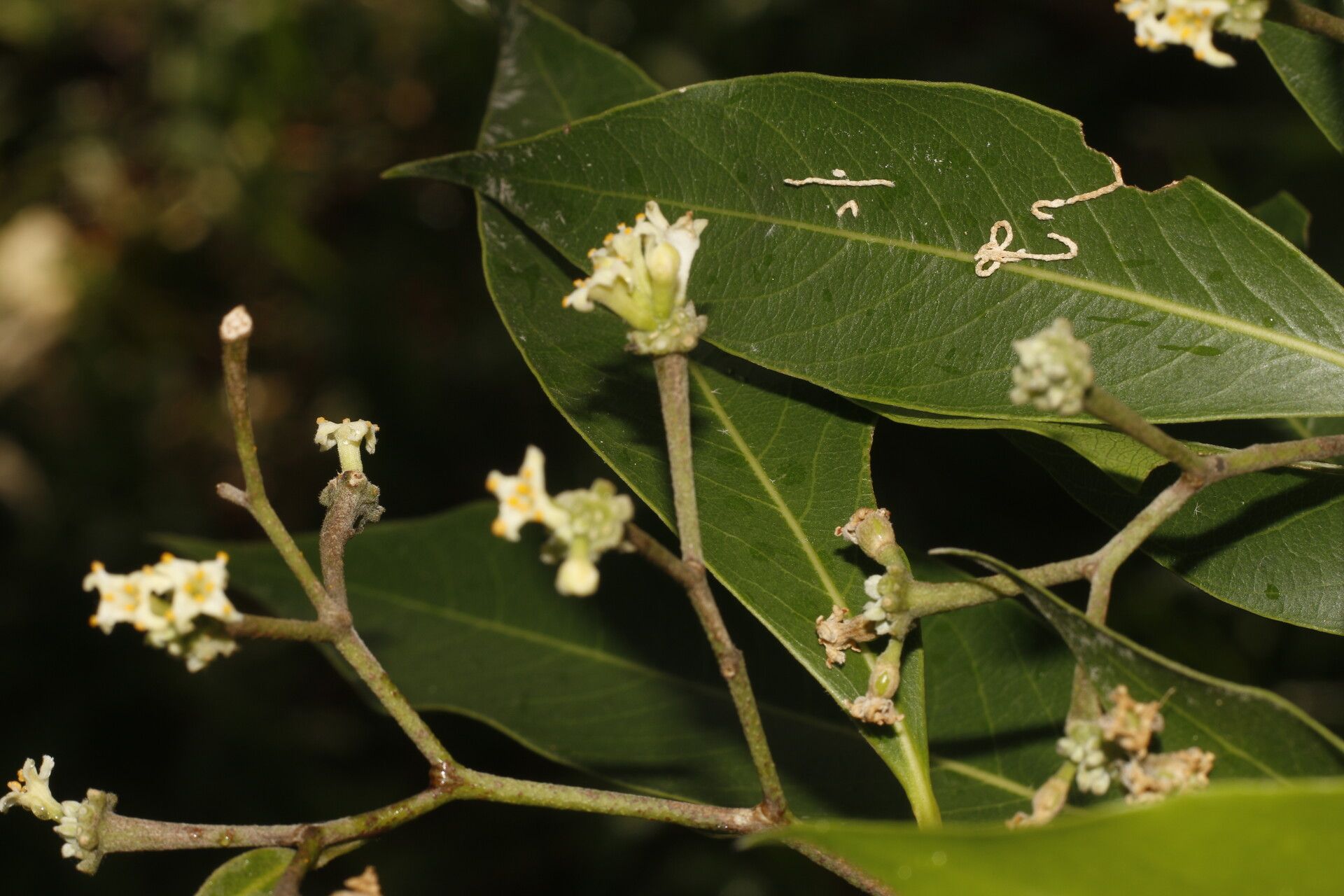
Oh, Daphnopsis americana! What a treat to talk about this lovely plant. My very first Daphnopsis was a gift, and watching it unfurl its delicate leaves filled me with such joy. It’s not the flashiest plant on the block, but it has a quiet elegance that I find utterly captivating. Its subtle fragrance and graceful form make it a wonderful addition to any shady nook.
Now, let’s be honest, propagating Daphnopsis isn’t exactly a walk in the park for a complete novice. It requires a bit of patience and a keen eye, but with these tips, I’m confident you’ll be successful. The reward of nurturing a whole new plant from a tiny piece of your existing one? Priceless!
The Best Time to Start
For Daphnopsis americana, think about what the plant is doing naturally. The late spring through early summer is your prime window. This is when the plant is in a robust growth phase, putting out new, strong stems. You’ll want to select stems that are semi-hardwood – that means they’re not brand new and floppy, but not yet old and woody either. They should snap cleanly when bent, not just bend limply.
Supplies You’ll Need
Gathering your tools before you start makes the whole process so much smoother. Here’s what I always have on hand:
- Sterilized pruning shears or a sharp knife: Cleanliness is key to preventing disease.
- Rooting hormone powder: This little helper can significantly boost your success rate.
- A well-draining potting mix: I usually mix myself with equal parts peat moss, perlite, and coarse sand. You can also find good pre-made succulent or cactus mixes that work well.
- Small pots or propagation trays: Choose something with drainage holes.
- Plastic bags or a clear plastic dome: This creates a humid environment for your cuttings.
- A spray bottle: For misting.
- Optional: Heat mat: For added warmth, which really encourages rooting.
Propagation Methods: Stem Cuttings
This is my go-to method for Daphnopsis. It’s effective and allows you to get multiple new plants from one parent.
- Take Your Cuttings: On a bright, not scorching hot, day in late spring or early summer, select healthy, semi-hardwood stems from your mature Daphnopsis. Aim for cuttings that are about 4-6 inches long. Make your cuts just below a leaf node (where a leaf attaches to the stem).
- Prepare the Cuttings: Gently remove the lower leaves from the bottom half of each cutting, leaving just a few leaves at the top. This prevents them from rotting in the soil. If your leaves are quite large, you can even cut them in half horizontally to reduce water loss.
- Apply Rooting Hormone: Dip the cut end of each prepared stem into your rooting hormone powder. Tap off any excess. This isn’t strictly necessary, but it really does give your cuttings a better start.
- Plant Your Cuttings: Fill your small pots or trays with your prepared well-draining potting mix. Make a small hole in the center of the soil with your finger or a pencil. Insert the cut end of the cutting into the hole, ensuring the rooting hormone stays on the stem. Gently firm the soil around the cutting to support it.
- Create a Humid Environment: Water the soil lightly. Then, cover the pots with a clear plastic bag or dome, making sure the plastic doesn’t touch the leaves of the cuttings. This traps humidity, which is vital for cuttings to root before they can absorb water through roots.
The “Secret Sauce” (Pro Tips)
Here are a few things I’ve learned over the years that can make a big difference:
- Don’t let the leaves touch the water: If you opt for water propagation (which is less reliable for Daphnopsis, I find), make sure none of the leaves are submerged. They’ll rot quickly. With soil propagation, this applies to keeping them out of damp soil surface.
- Bottom heat is your friend: If you have a heat mat, place your pots on it. This gentle warmth from below mimics ideal soil temperatures and can significantly speed up the rooting process. It’s especially helpful if your house tends to be a bit on the cooler side.
- Patience is paramount: Daphnopsis can be slow to root. Don’t be tempted to yank on the cuttings to check for roots too early. I wait at least 4-6 weeks, and often longer, before giving them a gentle tug.
Aftercare & Troubleshooting
Once you see new growth emerging from your cuttings, that’s a good sign roots are forming! You can slowly acclimate them to lower humidity by opening the plastic bag a little each day over a week. Continue to keep the soil evenly moist, but not soggy.
The most common sign of trouble is rot. If your cuttings turn black and mushy, that’s usually a sign of too much moisture and not enough air circulation. Ensure your soil is well-draining and avoid overwatering. If you see a cutting shriveling or wilting without any signs of rot, it might just need a bit more humidity, so ensure your plastic cover is secure.
A Encouraging Closing
Don’t get discouraged if your first attempt isn’t perfect. Gardening is all about learning and experimenting. Each plant is a little experiment, and the joy is in the process itself. Take your time, enjoy the quiet satisfaction of growing something new, and before you know it, you’ll have a whole little family of Daphnopsis to admire! Happy propagating!
Resource: