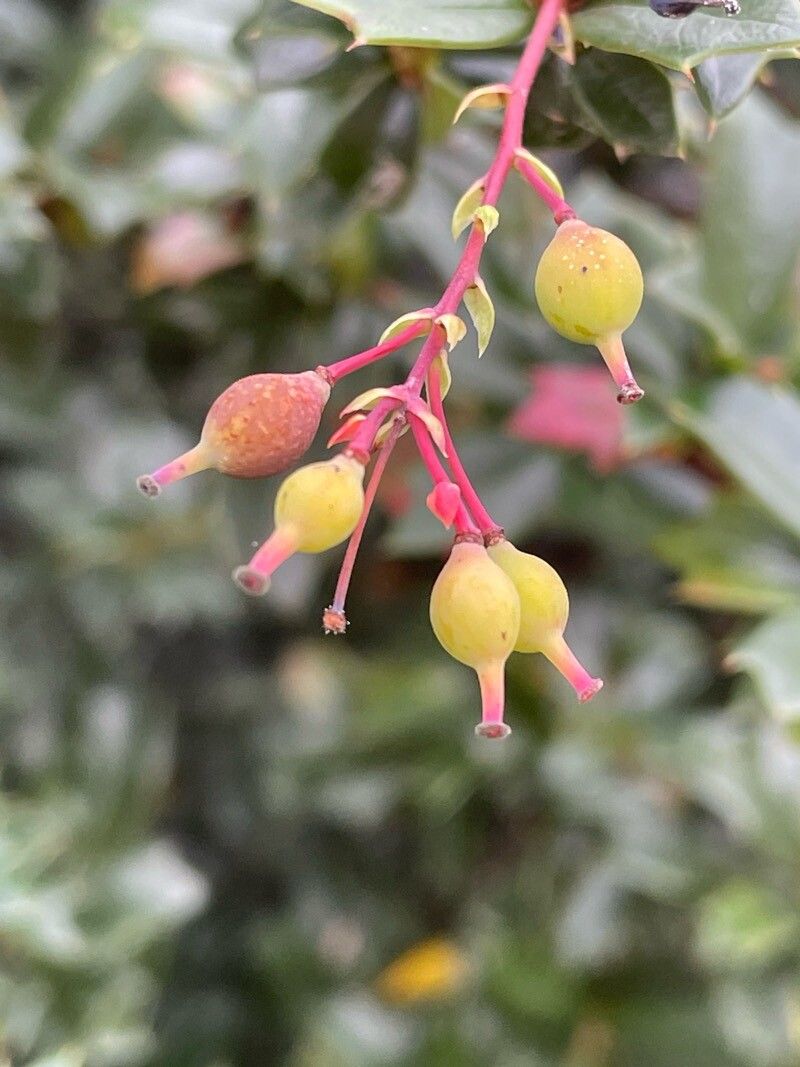
Oh, Berberis darwinii! If you’ve ever spotted this gem in a garden, you’ll know exactly why I’m so excited to talk about it. Its vibrant, almost impossibly cheerful orange-red flowers that appear in spring are a sight for sore eyes, and the glossy, dark green evergreen foliage provides structure all year round. It’s truly a standout shrub, and the satisfaction of growing more of them from your own plants? Pure gardening joy! For those wondering, Berberis darwinii is moderately easy to propagate, making it a delightful project even for those newer to the wonderful world of plant multiplication.
The Best Time to Start
When is the magic window for propagating these beauties? I’ve found the late summer to early autumn is your sweet spot. After the main flush of flowering and growth has happened, the plant is busy storing energy. It’s a perfect time to take cuttings when the wood is semi-hard – not overly soft and floppy, but not yet fully mature and woody. This gives your cuttings a good chance to establish before winter sets in.
Supplies You’ll Need
Gathering your tools beforehand makes the whole process smooth sailing. Here’s what I always have on hand:
- Sharp pruning shears or a clean craft knife: For making nice, clean cuts.
- Rooting hormone: A powder or gel to give your cuttings a boost.
- Small pots or seed trays: With drainage holes, of course!
- A good propagation mix: I like a blend of equal parts peat-free compost and perlite. This ensures excellent drainage, which these shrubs absolutely adore.
- A plastic bag or propagator lid: To create a humid environment for your cuttings.
- Labels and a permanent marker: To keep track of what you’ve planted and when.
- A gentle watering can or spray bottle: For misting.
Propagation Methods
Here are my go-to ways to multiply Berberis darwinii.
Stem Cuttings (My Favorite!)
This is my most reliable method for Berberis darwinii.
- Take your cuttings: With your clean shears, select healthy, non-flowering shoots from your established plant. Aim for cuttings that are about 10-15 cm (4-6 inches) long. Make the cut just below a leaf node (where a leaf attaches to the stem).
- Prepare the cuttings: Gently strip off the lower leaves. If there are any leaves at the top, you can pinch or cut them in half to reduce water loss.
- Dip in rooting hormone: Moisten the very bottom of each cutting and then dip it into your rooting hormone, tapping off any excess.
- Pot them up: Fill your pots with your prepared propagation mix. Make a hole in the soil with a pencil or your finger. Insert the cuttings into the holes, ensuring they are firm and upright. Gently firm the soil around them. You can usually fit several cuttings into one pot, spaced a few centimeters apart.
- Water gently: Water the mix thoroughly until it drains from the bottom.
- Create humidity: Place a clear plastic bag over the pot, securing it with a rubber band, or use a propagator lid. This creates a humid microclimate that your cuttings will love. Place the pots in a bright spot, but out of direct sunlight.
Water Propagation (Can Work, but Be Vigilant!)
While I generally prefer soil, you can try water propagation with Berberis darwinii, especially for shorter branches.
- Prepare the cuttings: Similar to stem cuttings, take 10-15 cm lengths and remove the lower leaves.
- Place in water: Put the cuttings in a clean jar or glass filled with fresh water. Make sure no leaves are submerged, as they will rot. Change the water every few days.
- Wait for roots: Keep the jar in bright, indirect light. You should see small roots starting to form after a few weeks.
- Pot up: Once the roots are about 2-3 cm long, carefully pot them into your propagation mix as described above.
The “Secret Sauce” (Pro Tips)
Alright, here are a few little tricks I’ve learned over the years that can really make a difference.
- Bottom Heat is Your Friend: If you have a propagator with a heating mat, use it! Berberis darwinii cuttings really appreciate a bit of warmth from below. It encourages root development much faster than just ambient room temperature.
- Don’t Let Those Leaves Drown: This is crucial, especially with water propagation. Any leaf that touches the water will rot, and that rot can quickly spread and kill your cutting. Keep them high and dry!
- Patience with the Parent Plant: When you’re taking cuttings, always remember to do it from healthy, vigorous parent plants. Don’t take cuttings from stressed or unhealthy specimens. Think of it as a kind of garden “health check” before you begin.
Aftercare & Troubleshooting
Once your cuttings have developed roots (you can gently tug on them – if there’s resistance, they’ve rooted!), it’s time for a bit more care.
- Gradual acclimatization: If you used a plastic bag, slowly remove it over a week or so to let your new plants get used to the drier air.
- Potting On: When they’ve grown a bit more in their small pots, and the roots are well-established, you can pot them into slightly larger individual pots with a good quality, peat-free compost.
- Watering: Keep them consistently moist but not waterlogged.
- Troubleshooting: The most common issue you’ll encounter is rot. This is usually caused by overwatering or poor drainage. If you see a cutting turning black and mushy, sadly, it’s time to discard it and learn from the experience. Other signs of failure include wilting that doesn’t recover, or simply no new growth after a good few weeks, which can mean the cutting didn’t take.
A Encouraging Closing
Growing new plants is one of the most rewarding aspects of gardening, and Berberis darwinii is such a delightful subject. Don’t be discouraged if your first few attempts don’t go exactly to plan; every gardener experiences setbacks. The important thing is to keep trying, observe your plants, and enjoy the process of nurturing new life. You’ve got this! Happy propagating!
Resource:
https://identify.plantnet.org/k-world-flora/species/Berberis%20darwinii%20Hook./data