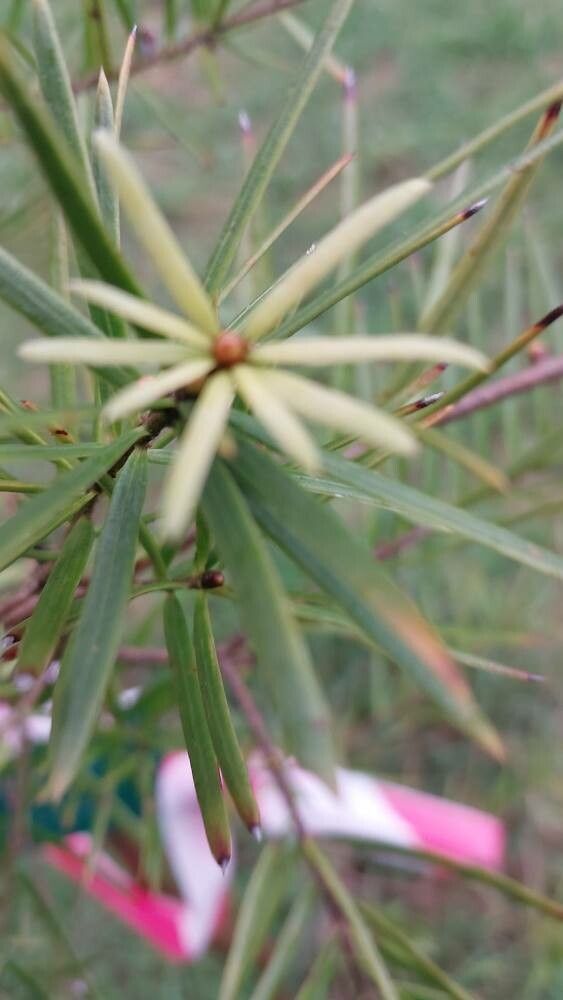
Oh, hello there! Come on in and grab a cup. Today, we’re going to chat about a truly special tree: Keteleeria fortunei. You know, those majestic conifers with their graceful, drooping needles and handsome cones? They’re quite stunning in a landscape, aren’t they? And the thought of bringing more of these beauties into the world, well, that’s a wonderfully rewarding pursuit for any gardener. Now, if you’re wondering if Keteleeria fortunei is a beginner-friendly plant to propagate, I’d say it’s moderately challenging. It’s not the sort of plant you can just stick a twig in the ground and expect miracles, but with a little care and attention, it’s definitely achievable.
The Best Time to Start
For the highest success rate when propagating Keteleeria fortunei, your best bet is to aim for late spring or early summer. This is when the plant is actively growing, and the new shoots are tender and pliable. They have more of that youthful vigor, which really helps them establish roots. You can also have some success with cuttings taken in late summer, but spring is generally your prime window.
Supplies You’ll Need
Here’s what you’ll want to gather before we get started:
- Sharp, clean pruning shears or a sharp knife: For making clean cuts.
- Rooting hormone powder (with fungicide): This is crucial for encouraging root development and preventing fungal infections. Look for one specifically for woody cuttings.
- Potting medium: A well-draining mix is essential. I like to use a blend of equal parts perlite, coarse sand, and a good quality potting soil. Some gardeners swear by a peat moss and perlite mix too.
- Small pots or seed trays: With drainage holes, of course!
- Plastic bags or a propagation dome: To create a humid environment.
- Clean water: For misting.
- Labeling stakes: To keep track of your precious cuttings.
Propagation Methods
We’ll focus on the most common method for Keteleeria fortunei: stem cuttings. This is where we take pieces of the stem and encourage them to grow roots.
-
Take Your Cuttings: Head out to your Keteleeria fortunei on a mild day in late spring or early summer. Look for healthy, new growth that is about 4-6 inches long and still somewhat flexible – not completely woody. Make a clean cut just below a leaf node (where a leaf attaches to the stem). Remove the lower leaves, making sure to leave a few for photosynthesis.
-
Prepare the Cuttings: Dip the cut end of each cutting into rooting hormone powder, tapping off any excess. Make sure the cut end is well-coated.
-
Plant Your Cuttings: Fill your small pots with your prepared potting medium. Gently make a hole in the center of the soil with a pencil or your finger, just deep enough for your cutting. Insert the treated end of the cutting into the hole, ensuring it stands upright. Firm the soil gently around the base of the cutting.
-
Create Humidity: Water the soil lightly. Then, cover the pot with a clear plastic bag or place it under a propagation dome. This will trap moisture and create the humid environment the cuttings need to survive before they develop roots. Make sure the leaves don’t touch the plastic if possible – you can use little stakes to prop it up.
-
Location, Location, Location: Place your pots in a bright spot, but out of direct, harsh sunlight. A greenhouse, a shaded cold frame, or even a bright window sill indoors will work well.
The “Secret Sauce” (Pro Tips)
Here are a few things I’ve learned over the years that can really make a difference:
- Bottom Heat is Your Friend: If you can, place your pots on a heat mat. Many propagation success stories involve gentle bottom heat. It encourages root formation and really speeds things up.
- Mist, Don’t Drench: While humidity is key, don’t let the soil become waterlogged. You want it consistently moist, not soggy. A light misting of the leaves and soil every few days should be sufficient. If the soil feels dry to the touch, it’s time for a misting.
- Patience is a Virtue (and a Necessity): Conifers can be slowpokes when it comes to rooting. Don’t be tempted to pull them up to check for roots too early. It can take several weeks, sometimes even a couple of months, to see significant root development.
Aftercare & Troubleshooting
Once you start to see signs of new growth, that’s a great indicator that roots are forming! You can gently tug on a cutting – if there’s resistance, you likely have roots.
- Gradual Acclimation: When roots have established, slowly begin to acclimate your new plants to lower humidity. Gradually open the plastic bag more each day over a week or two.
- Transplanting: Once they’re robust enough, you can transplant them into slightly larger pots. Continue to grow them in a protected spot for their first year.
- Troubleshooting Rot: The most common problem you’ll encounter is rot. If you see your cuttings turning black and mushy at the base, it’s usually a sign of too much moisture and not enough air circulation. Ensure your potting mix is very free-draining, and avoid overwatering. If you catch it early, you might be able to salvage healthy parts of the cutting and try again.
Propagating Keteleeria fortunei might take a little more effort than a common houseplant, but seeing those tiny seedlings or rooted cuttings mature is incredibly satisfying. Don’t get discouraged if your first attempt isn’t perfect – gardening is always a learning process. Just keep at it, and enjoy the journey of bringing more of these magnificent trees into your life. Happy propagating!
Resource: