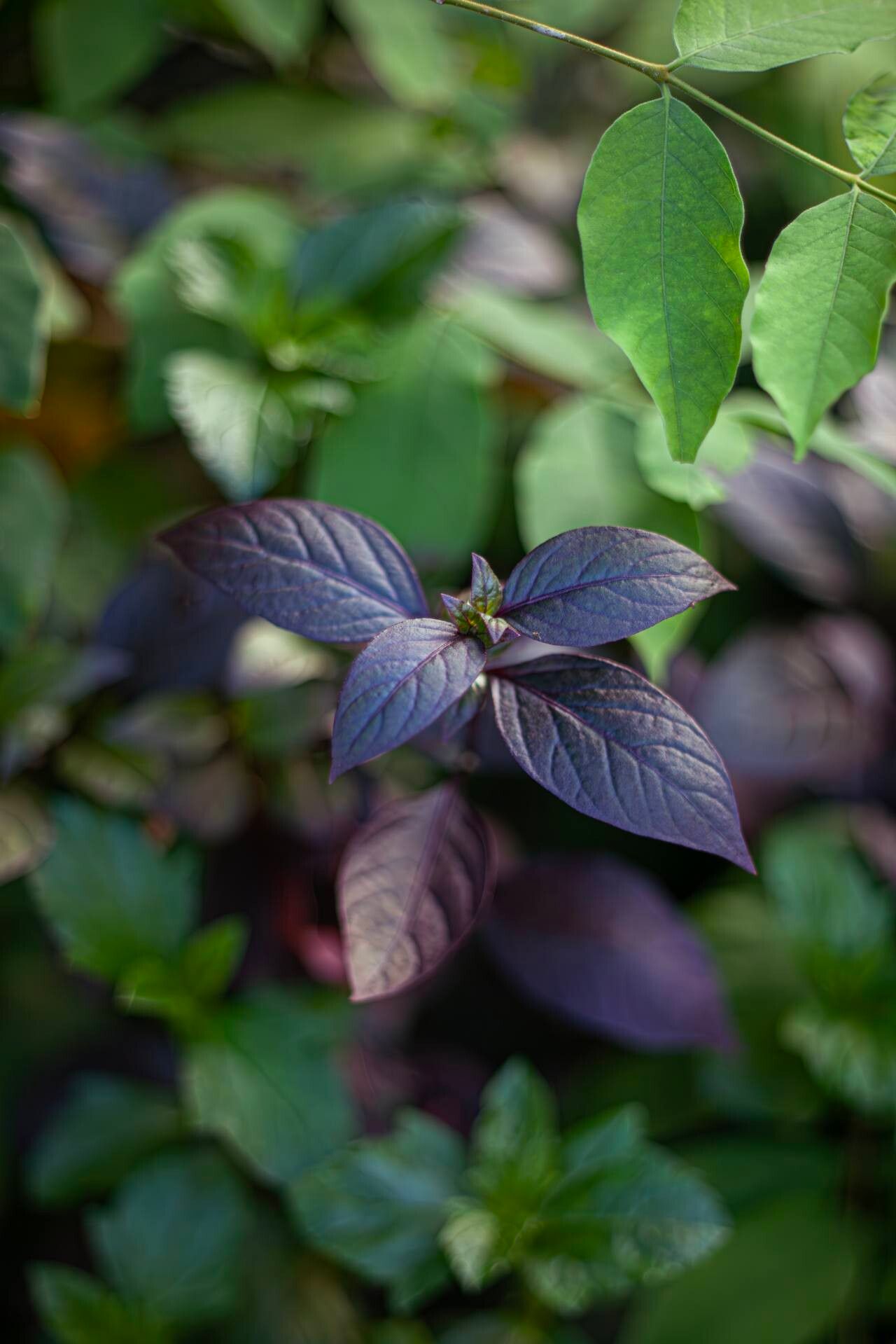
Oh, Alternanthera! If you’re looking for a burst of vibrant color and a plant that just glows in the garden, you’ve found a winner. Known for its striking foliage, often in shades of deep red, orange, or even variegated patterns, Alternanthera brasiliana is a fantastic addition that adds instant wow-factor. And the best part? It’s wonderfully easy to propagate! This means you can easily fill your garden beds, create stunning container displays, or even share these beauties with fellow plant lovers. For beginners, this is a truly rewarding plant to start with.
The Best Time to Start
My favorite time to get busy with Alternanthera propagation is late spring to early summer. This is when the plant is actively growing after the last frost, and its stems are nice and pliable. You’ll get the strongest, healthiest cuttings then, which translates to a much higher success rate when you’re trying to root them. Avoid trying to propagate from very old, woody stems.
Supplies You’ll Need
To get your Alternanthera babies started, you’ll want to gather a few things:
- Sharp Pruning Shears or a Knife: Cleanliness is key to prevent disease.
- Rooting Hormone (Optional but Recommended): A powder or gel helps speed up root development.
- Well-Draining Potting Mix: I like to use a mix of peat moss, perlite, and a little bit of vermiculite. You can also buy a good quality “seed starting mix.”
- Small Pots or Seed Trays: Anything that can hold your cuttings and allow for good drainage.
- Plastic Bag or Propagator Lid: This creates a humid environment, which cuttings absolutely adore.
- Watering Can or Spray Bottle: For gentle watering.
Propagation Methods
Let’s get our hands dirty! Stem cuttings are the undisputed champion for Alternanthera.
Stem Cuttings:
- Take Cuttings: Using your clean shears, select healthy, non-flowering stems. Look for stems that are about 4-6 inches long. Make your cut just below a leaf node (where a leaf sprouts from the stem). This is where the magic happens for root formation.
- Prepare the Cuttings: Gently remove the lower leaves from your cutting. You want to leave just a few leaves at the very top, otherwise, those submerged leaves will rot.
- Apply Rooting Hormone (Optional): Dip the cut end into your rooting hormone powder or gel. Tap off any excess.
- Plant the Cuttings: Fill your small pots or trays with your prepared potting mix. Make a small hole with your finger or a pencil and insert the cut end of the stem about 1-2 inches deep. Gently firm the soil around it.
- Water Gently: Use your watering can or spray bottle to give the soil a good, gentle watering. You want the soil to be moist but not waterlogged.
- Create Humidity: Cover the pots or trays with a plastic bag, ensuring it doesn’t touch the leaves too much, or use a propagator lid. Place them in a bright spot, but out of direct, harsh sunlight.
Water Propagation:
This is another simple and satisfying method for Alternanthera.
- Take Cuttings: Follow steps 1 and 2 from the stem cutting method.
- Place in Water: Put the cuttings in a clean jar or glass of room-temperature water. Make sure no leaves are submerged in the water.
- Change Water Regularly: Change the water every few days to keep it fresh and prevent bacterial growth.
- Observe Roots: Within a couple of weeks, you should start to see tiny white roots forming.
- Pot Up: Once the roots are about an inch long, you can carefully transfer them to pots filled with your well-draining potting mix.
The “Secret Sauce” (Pro Tips)
After years of coaxing plants to grow, I’ve picked up a few tricks that really make a difference:
- Don’t Let Any Leaves Touch the Water: For water propagation, I can’t stress this enough! Any foliage submerged is a direct invitation for rot. Make sure your jar is the right height or trim back those lower leaves generously.
- A Little Bottom Heat Goes a Long Way: If you have a heat mat designed for seedlings, place your pots on it. Alternanthera cuttings just love a bit of warmth from below. It significantly speeds up their rooting process.
- Don’t Be Afraid to Pinch: Once your cuttings have rooted and started to grow a bit, gently pinch off the very tip of the new growth. This encourages the plant to branch out, making it bushier and fuller.
Aftercare & Troubleshooting
Once your cuttings have developed a healthy root system—you’ll see new leaves emerging and if you gently tug, there will be some resistance—it’s time to give them a little extra TLC. Gradually remove the plastic covering over a few days to help them acclimate to normal humidity levels. Continue to keep the soil consistently moist but not soggy.
The most common problem you might encounter is rot. This usually happens if the soil is too wet or if there’s not enough airflow. If you see a stem turning mushy and black, unfortunately, it’s best to discard it to prevent it from spreading. Yellowing leaves can sometimes indicate overwatering or lack of light.
A Encouraging Closing
Propagating plants is a journey, and sometimes, things don’t work out exactly as planned. But with Alternanthera, the odds are very much in your favor! Be patient, observe your cuttings, and don’t be discouraged if a few don’t make it. Each attempt is a learning opportunity. Soon, you’ll have a whole collection of these gorgeous plants to show off. Happy gardening!
Resource:
https://identify.plantnet.org/k-world-flora/species/Alternanthera%20brasiliana%20(L.)%20Kuntze/data