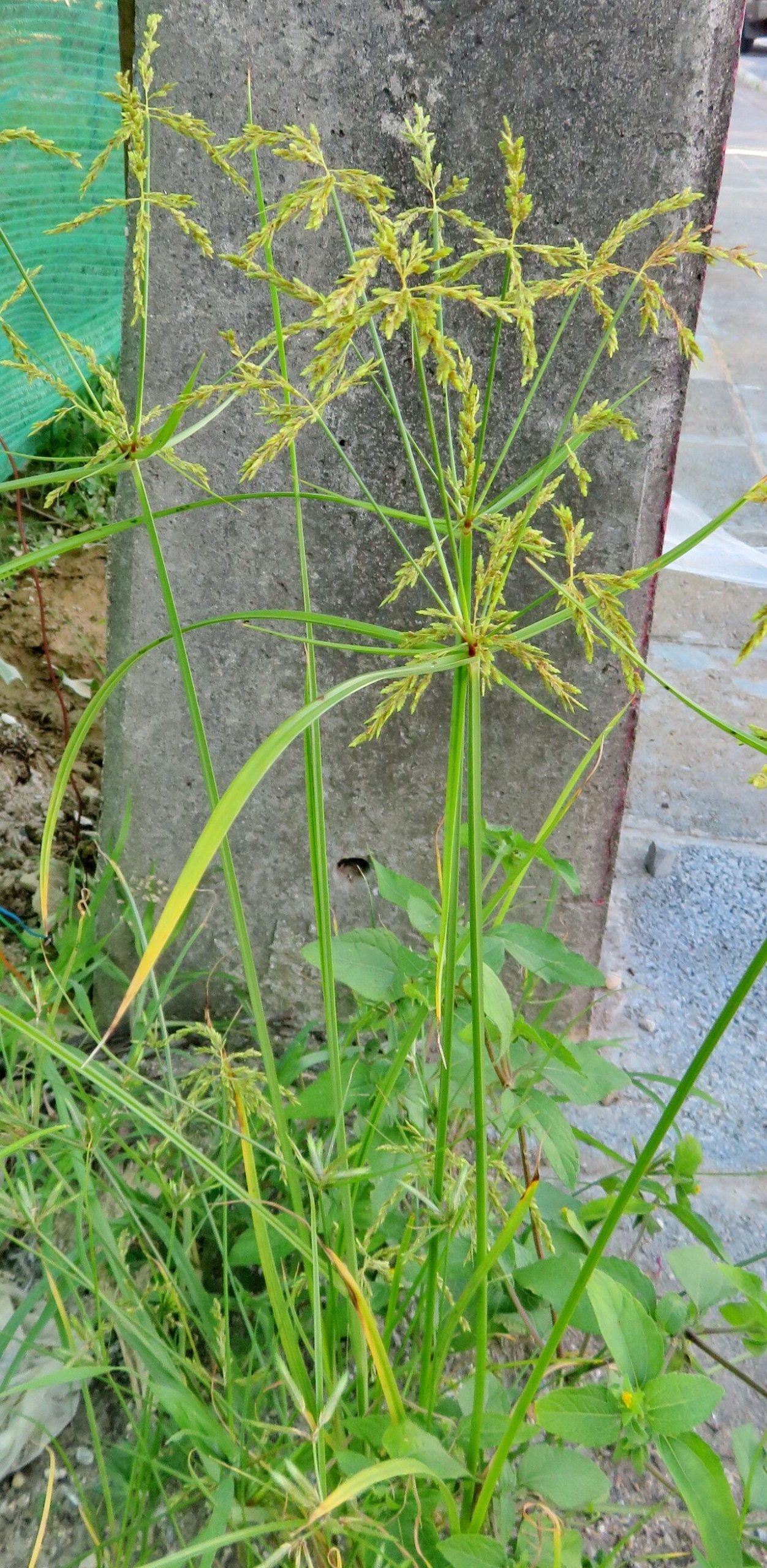
Well hello there, fellow plant lover! It’s always a joy to chat about bringing more green life into our homes and gardens. Today, we’re diving into the wonderful world of Cyperus imbricatus, also known as the Umbrella Sedge. If you appreciate elegant, architectural plants that bring a touch of tranquility, you’re going to love this one. Its layered, umbrella-like foliage is just stunning, whether it’s gracing a pond edge or adding a unique texture to a container garden.
The beauty of propagating Cyperus imbricatus is that you get to multiply that elegance for free! Watching a tiny cutting or division transform into a vibrant new plant is incredibly satisfying. As for beginners, I’d say this sedge is moderately easy to propagate, which makes it a fantastic plant to try your hand at. You’ll get the hang of it quickly, I promise.
The Best Time to Start
My favorite time to get propagating Cyperus imbricatus is when the plant is actively growing. This means late spring through summer is your sweet spot. You’ll find the plant is full of energy, and any divisions or cuttings will have the best chance of rooting quickly and successfully. Avoid trying to propagate during its dormant period in winter; you’ll likely be met with disappointment.
Supplies You’ll Need
Here’s what you’ll want to have on hand:
- Sharp pruning shears or a clean knife: For making neat cuts.
- Well-draining potting mix: I prefer a blend of peat moss, perlite, and a little bit of sand for my sedges. A good general-purpose potting mix will work, but adding extra perlite is always a good idea.
- Small pots or trays: For your new plants. Make sure they have drainage holes!
- Watering can or spray bottle: For gentle watering.
- Rooting hormone (optional but recommended): Especially helpful for cuttings. Gel versions are my go-to.
- Plastic bags or domes (optional): To create a humid microclimate.
- A sunny windowsill or bright, indirect light spot: For your new propagations.
Propagation Methods
Let’s get our hands dirty! There are a few ways to multiply your Cyperus imbricatus, and division is my absolute favorite.
1. Division: The Tried and True
This is the most straightforward method for Cyperus imbricatus.
- Gently remove the parent plant from its pot. If it’s in the ground, carefully dig around it.
- Shake off excess soil so you can see the root system.
- Look for natural breaks in the plant where sections have their own roots and shoots.
- Using your sharp pruning shears or a clean knife, carefully slice through the root ball to separate the clumps. Aim for divisions that have at least a few stems and a good amount of roots.
- Replant the divisions immediately into their own pots filled with your well-draining mix. Water them thoroughly.
2. Stem Cuttings: For the Patient Gardener
This method takes a little more finesse, but it’s incredibly rewarding when it works.
- Select a healthy stem that has at least two or three nodes (those little bumps on the stem where leaves emerge).
- Using your sharp shears or knife, make a clean cut just below a node.
- Remove the lower leaves so that none of them will be submerged in water or soil.
- If you’re using rooting hormone, dip the cut end into it, tapping off any excess.
- You can try two approaches here:
- Water Propagation: Place the cuttings in a jar or vase filled with fresh water. Make sure the leaves are out of the water. Place the jar in bright, indirect light. You’ll need to change the water every few days to keep it fresh. Roots should appear in a few weeks.
- Soil Propagation: Fill a small pot with your well-draining mix. Moisten the soil. Insert the cutting into the soil so the nodes are covered. You can make a hole with a pencil first to avoid scraping off the rooting hormone.
- Mist the cuttings regularly or cover the pot with a clear plastic bag or dome to maintain high humidity. Place in bright, indirect light.
The “Secret Sauce” (Pro Tips)
Here are a few little things I’ve learned over the years that can make a big difference:
- Don’t be afraid to be firm but gentle with divisions. You want to separate them cleanly without tearing the roots excessively, but sometimes a bit of persuasion is needed.
- For stem cuttings, using bottom heat can be a game-changer. A heating mat placed under the pots will encourage faster root development. You can find affordable ones specifically for plant propagation.
- When potting up divisions or rooted cuttings, don’t bury the crown too deeply. The point where the leaves emerge from the roots should be at or just slightly above soil level.
Aftercare & Troubleshooting
Once your Cyperus imbricatus has developed a good root system (you can gently tug on a cutting to feel resistance, or you’ll see roots emerging from the drainage holes of a potted division), it’s time for a little more standard plant care.
- Continue to keep the soil consistently moist, but not waterlogged. These plants love a good drink!
- Gradually acclimate your new plants to their final location. If you used a humidity dome or plastic bag for cuttings, start by removing it for a few hours each day before taking it off completely.
- Begin feeding with a balanced liquid fertilizer diluted to half strength once you see signs of new leaf growth.
The most common issue you might encounter is rot. This is usually a sign of overwatering or soil that doesn’t drain well. If the stems turn mushy or the leaves start to yellow and fall off rapidly, it’s a clear indicator. If you catch it early, you can try to repot into drier soil and hold back on watering. For cuttings in water, a foul smell or cloudy water means it’s time for a fresh start.
A Warm Wrap-Up
See? Not so daunting, is it? Propagating Cyperus imbricatus is a wonderfully rewarding journey. Be patient with your new charges, observe them closely, and celebrate every little sign of growth. The joy of creating new life from an existing plant is truly one of gardening’s greatest pleasures. Happy propagating, and enjoy your expanding collection of this beautiful sedge!
Resource:
https://identify.plantnet.org/k-world-flora/species/Cyperus%20imbricatus%20Retz./data