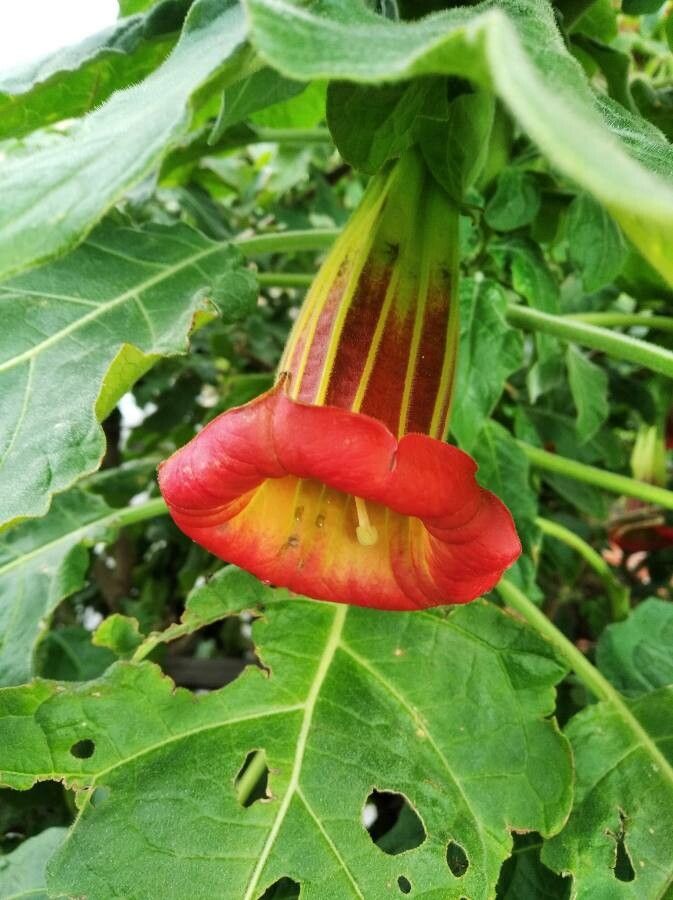
Hey there, fellow plant enthusiasts! Today, we’re diving into the world of a truly magnificent plant: Brugmansia sanguinea, often called the Blood Brugmansia or the Andean Trumpet Flower. If you’ve ever marveled at its intoxicatingly fragrant, trumpet-shaped blooms that cascade like nature’s own chandeliers, you’re in for a treat. Propagating these beauties is incredibly rewarding, allowing you to fill your garden or patio with their magic. Now, I wouldn’t call Brugmansia sanguinea a total beginner’s plant, but with a little patience and these tips, you’ll be well on your way to success.
The Best Time to Start
The sweet spot for propagating Brugmansia sanguinea is late spring or early summer. This is when the plant is in active growth. The energy reserves are high, and the warmer temperatures encourage quicker rooting. Look for semi-hardwood cuttings – that’s stems that have grown this season but have started to firm up, not the brand-new, soft, floppy tips.
Supplies You’ll Need
Gathering your tools before you begin makes the whole process smoother. Here’s what I like to have on hand:
- Sharp Pruning Shears or a Clean Knife: For making clean cuts.
- Rooting Hormone: A powdered or liquid form, especially good for encouraging faster root development.
- Potting Mix: A well-draining mix is crucial. I often use a blend of equal parts peat moss or coco coir, perlite, and a bit of coarse sand.
- Small Pots or Rooting Trays: Clean pots are a must to prevent disease.
- Clear Plastic Bags or Propagation Domes: To maintain humidity.
- Water: For moistening the soil and for water propagation if you choose.
- Labels and a Marker: So you don’t forget what you’ve planted!
Propagation Methods
Let’s get our hands dirty with a couple of reliable methods. Stem cuttings are generally my go-to.
Stem Cuttings
- Take Your Cutting: Select a healthy stem that’s about 6-8 inches long. Make a clean cut just below a leaf node (where a leaf attaches to the stem). Remove the lower leaves, leaving just a few at the top. If the remaining leaves are very large, you can cut them in half to reduce water loss.
- Apply Rooting Hormone: Dip the cut end of the stem into your rooting hormone, tapping off any excess.
- Plant Your Cutting: Make a hole in your prepared potting mix with a pencil or your finger. Insert the cutting, ensuring the root hormone-treated end is well-covered by the soil. Gently firm the soil around the base of the cutting.
- Water Gently: Water the potting mix thoroughly until it’s evenly moist, but not waterlogged.
- Create a Humid Environment: Place the pot in a plastic bag, sealing it loosely at the top, or cover it with a propagation dome. This will create a humid microclimate essential for rooting.
Water Propagation (Less Common, but Possible)
This method is a bit more straightforward but can be trickier for Brugmansia to transition to soil.
- Prepare Your Cutting: Take your cutting as described above, but do not use rooting hormone.
- Place in Water: Place the cutting in a jar or vase filled with fresh water. Make sure no leaves are submerged in the water – they will rot.
- Change Water Regularly: Change the water every few days to keep it fresh and oxygenated.
- Wait for Roots: You should start to see roots forming in a few weeks. Once the roots are about an inch long, carefully transplant them into your well-draining potting mix, just as you would a cutting that’s already been treated with hormone.
The “Secret Sauce” (Pro Tips)
Here are a few things I’ve learned over the years that really make a difference:
- Bottom Heat is Your Friend: A heated propagation mat placed under your pots can significantly speed up the rooting process. It warms the soil and encourages root formation from below. If you don’t have one, placing the pots in a warm spot (like a greenhouse or a sunny windowsill out of direct harsh sun) can help.
- Don’t Drench, Just Dampen: While humidity is key, soggy soil is the enemy of cuttings and can lead to rot. Water when the top inch of the soil feels dry to the touch. You want moist, not wet.
- Patience and Observation: I know it’s tempting to constantly check, but try to resist! Let your cuttings do their thing. If leaves start to look wilted, it’s usually a sign they need more humidity or a bit more water, rather than a sign they’ve failed.
Aftercare & Troubleshooting
Once you see new growth appearing on your cutting – a sure sign of roots! – it’s time to ease them out of their humid enclosure. Gradually remove the plastic bag or dome over a few days to allow the new plant to acclimate to normal humidity. Continue to water when the top inch of soil is dry.
The most common problem you’ll encounter is rot. If your cutting turns black and mushy, it’s likely succumbed to rot. This is usually due to too much moisture and poor air circulation. If you see signs of rot, unfortunately, it’s best to discard the affected cutting and start again, making sure your potting mix is well-draining next time.
A Little Encouragement
Propagating definitely has a learning curve, and not every cutting will make it. That’s okay! Think of it as an experiment. Each attempt teaches you something new. Be patient with yourself and your new little Brugmansia. Before you know it, you’ll have a collection of these glorious trumpet flowers, ready to fill your evenings with their perfume. Happy gardening!
Resource: