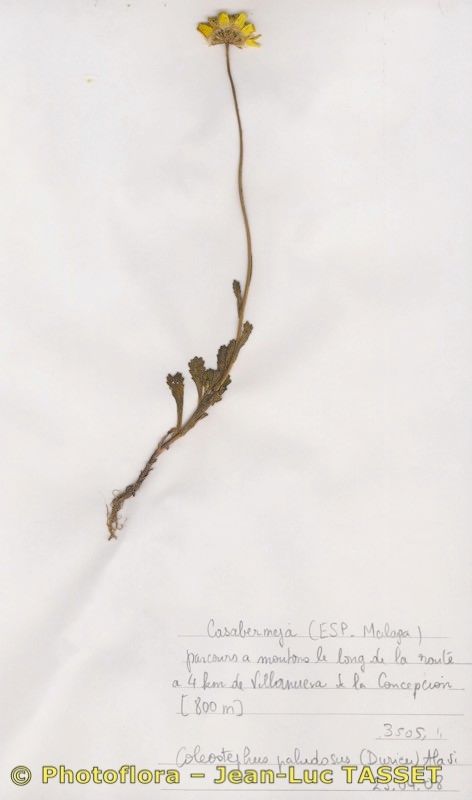
Hello fellow garden enthusiasts! Today, I want to talk about a little gem that brings such cheerful color to my garden: Coleostephus paludosus. You might know it by its common name, the Giant Daisy or sometimes Mediterranean Aster. These beauties are just bursting with bright, sunny blooms from late spring right through to autumn. They’re wonderfully prolific and have a certain charm that just makes you smile.
Now, if you’re just dipping your toes into the world of plant propagation, you’ll be happy to hear that growing more Coleostephus paludosus from an existing plant is quite straightforward. It’s a fantastic plant to start with, and the satisfaction of seeing your own little babies thrive is truly special. It’s a habit I’ve loved for years, and I’m thrilled to share it with you.
The Best Time to Start
For the most success with Coleostephus paludosus, I always aim to take cuttings in late spring or early summer. This is when the plant is actively growing and has plenty of fresh, non-woody stems available. The longer daylight hours and warmer temperatures at this time really encourage good root development. Waiting until growth has really taken off means you’ll have a better chance of getting healthy, vibrant new plants.
Supplies You’ll Need
Before we get our hands dirty, let’s make sure we have everything ready. It’s always better to be prepared!
- Sharp Pruning Shears or a Knife: Clean cuts are key to preventing disease.
- Seed Starting Mix or a Well-Draining Potting Mix: I like to use a blend that’s light and airy, often with some perlite.
- Small Pots or Trays: Clean pots are essential.
- Rooting Hormone (Optional but Recommended): This can really give your cuttings a boost, though Coleostephus is usually pretty good at rooting without it.
- Plastic Bags or a Clear Cover: To create a humid environment for your cuttings.
- Watering Can with a Fine Rose: For gentle watering.
- Labeling Stakes: To keep track of what you’ve planted and when.
Propagation Methods
My favorite way to propagate Coleostephus paludosus is through stem cuttings. It’s a very reliable method for this plant.
- Select Healthy Stems: Look for strong, healthy stems that are about 4-6 inches long. The best cuttings are usually from the tip of a stem, or from a side shoot that’s not yet flowering. The stem should be firm but still reasonably flexible – avoid anything woody or dying.
- Make the Cut: Using your clean shears or knife, make a clean cut just below a leaf node (that’s where a leaf joins the stem). This is where the root-forming hormones are often concentrated.
- Prepare the Cutting: Gently remove the lower leaves from the cutting. You only want to leave a few leaves at the very top. This helps the cutting conserve energy and prevents leaves from rotting in the soil or water. If the remaining leaves are very large, you can even snip them in half.
- Apply Rooting Hormone (Optional): If you’re using rooting hormone, dip the cut end of the stem into the powder or gel. Tap off any excess. This step isn’t always necessary for Coleostephus, but it can speed things up.
- Potting the Cuttings: Fill your clean pots with your well-draining soil mix. Make a small hole in the center of the soil with your finger or a pencil. Gently insert the cut end of the stem into the hole, making sure the leaf nodes that you removed leaves from are below the soil surface.
- Firm the Soil: Gently firm the soil around the base of the cutting to ensure good contact.
- Water Gently: Water your cuttings thoroughly but gently. You don’t want to dislodge them. The soil should be moist but not waterlogged.
- Create a Humid Environment: Place a clear plastic bag over the pot, or use a propagator lid. Make sure the bag doesn’t touch the leaves too much. This creates a mini-greenhouse effect, keeping the humidity high, which is crucial for cuttings to root.
- Positioning: Place your pots in a bright spot, but out of direct, harsh sunlight. A warm location is ideal.
I’ve also had success with a simple water propagation method if I just want a few small plants quickly.
- Prepare the Cuttings: Follow steps 1-3 above.
- Place in Water: Place the cuttings in a jar or glass of clean water. Make sure the leaf nodes where you removed lower leaves are submerged, but the remaining leaves are above the water line. This is super important to prevent rot.
- Change Water Regularly: Change the water every couple of days to keep it fresh and oxygenated.
- Location: Keep them in a bright spot, away from direct sun.
The “Secret Sauce” (Pro Tips)
Here are a few little tricks I’ve learned over the years that can make a big difference:
- Bottom Heat is Your Friend: If you have a heat mat designed for seedlings, placing your pots on it can dramatically speed up rooting. It mimics the warmth of spring soil and encourages those roots to emerge more quickly.
- Don’t Disturb Too Soon: Resist the urge to pull on your cuttings to check for roots! Wait at least 3-4 weeks. You’ll usually see new leaf growth at the top, which is a good sign of successful rooting. You can gently tug on a cutting on one of the outside pots after a few weeks to feel for resistance – that’s your roots!
- Hygiene is Paramount: Always use clean tools and clean pots. Coleostephus paludosus is quite forgiving, but disease can quickly undo all your hard work if you start with any nasties.
Aftercare & Troubleshooting
Once you see signs of good root development – usually new growth at the top, or you feel a good tug when you gently test – it’s time to start acclimatizing your new plants.
- Gradual Acclimatization: If you used a plastic bag or propagator lid, start by opening it for a few hours each day. Gradually increase the time the cover is off over a week or two. This helps the young plant adjust to normal humidity levels.
- Potting Up: Once the cuttings have a decent root system (you can often see roots peeking from drainage holes, or they feel firm when gently tugged), it’s time to pot them into slightly larger solo pots. Use a good quality all-purpose potting mix.
- Watering: Water them gently as needed. Let the top inch of soil dry out before watering again.
- Light: Continue to keep them in bright, indirect light.
The most common problem you might encounter is rot. This usually happens if the cuttings are kept too wet, or if the leaves are sitting in water. If you see a cutting turning black or mushy, it’s best to discard it to prevent the rot from spreading. Another sign of trouble is if the leaves start to yellow and wither to a crisp without any sign of new growth – this might indicate it’s too dry, or the conditions aren’t right. Don’t be discouraged if a few don’t make it; it happens to us all!
Happy Propagating!
Growing Coleostephus paludosus from cuttings is a wonderfully rewarding process. It’s a chance to nurture new life and multiply those cheerful blooms that bring so much joy. Be patient, enjoy the journey of watching those tiny roots develop, and soon you’ll have a garden filled with these lovely sunny daisies. Happy gardening!
Resource:
https://identify.plantnet.org/k-world-flora/species/Coleostephus%20paludosus%20(Durieu)%20Alavi/data