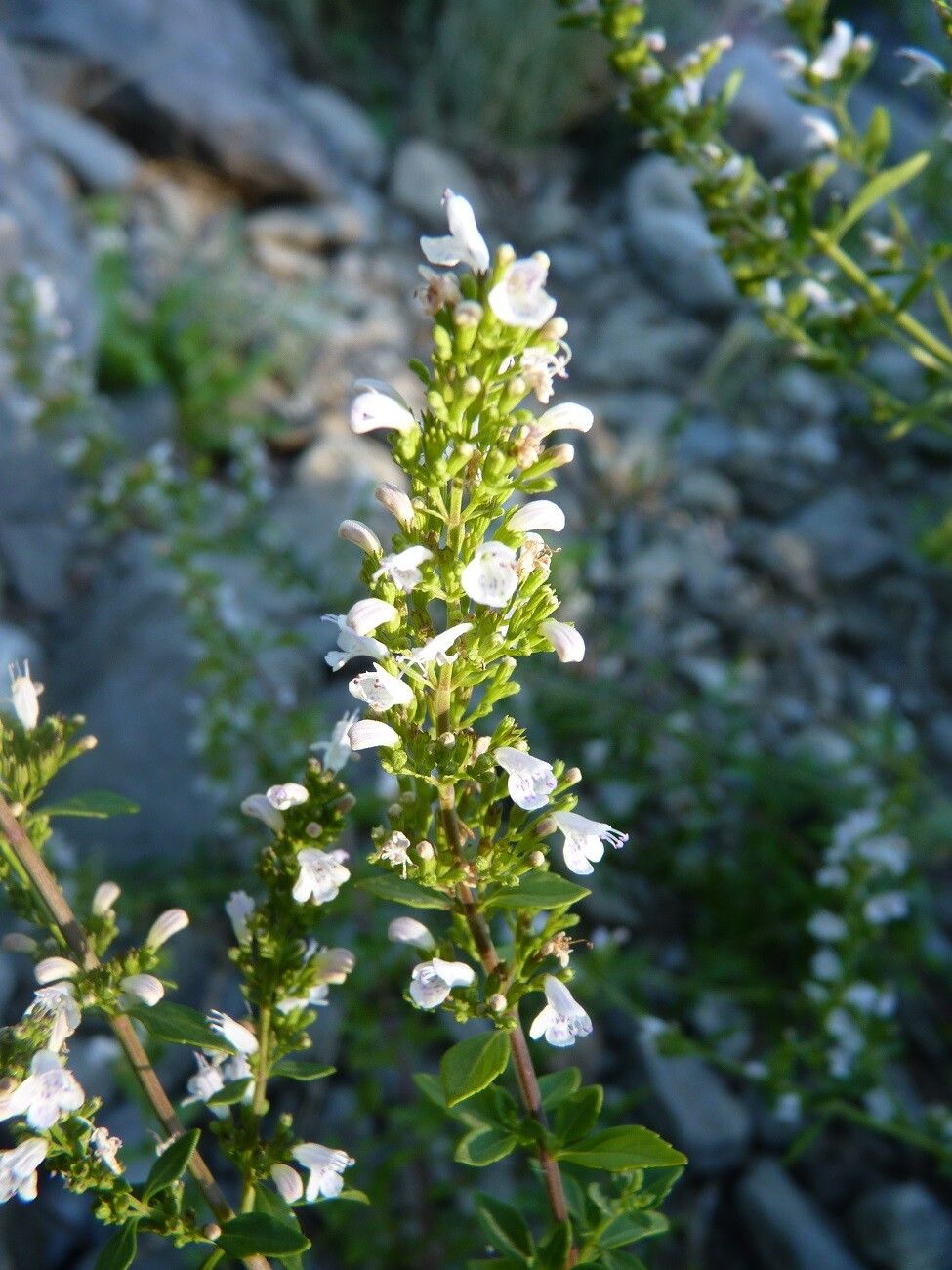
Hello there, fellow plant lovers! Today, we’re diving into the wonderful world of Clinopodium album, often known as White Calamint. If you’ve ever admired its delicate white flowers and its wonderfully fragrant, minty aroma, then you’re going to love learning how to bring more of this beauty into your garden. Propagating Clinopodium album is a truly rewarding experience, offering you the chance to expand your collection and even share these lovely plants with friends. And the good news? It’s a relatively easy plant to propagate, even for those just starting their gardening journey.
The Best Time to Start
For the highest success rate with Clinopodium album, I find the best time to begin is in late spring to early summer. This is when the plant is actively growing and has plenty of healthy new shoots ready for propagation. You want to catch it before it gets too woody, but after it’s really hit its stride for the season.
Supplies You’ll Need
Gathering your supplies beforehand makes the whole process much smoother. Here’s a little list to get you started:
- Sharp pruning shears or a clean knife: For making precise cuts.
- Small pots or seed trays: Clean and with drainage holes, of course.
- Rooting hormone (optional but recommended): Especially for stem cuttings. Powder or gel works well.
- Well-draining potting mix: A good blend is one part compost and one part perlite or coarse sand. This prevents waterlogging.
- Watering can or spray bottle: For gentle watering.
- Clear plastic bags or a propagator: To create a humid environment.
Propagation Methods
Clinopodium album is a wonderfully adaptable plant, and it responds well to a few different propagation methods. I usually stick to stem cuttings and division for this one.
Stem Cuttings
This is my go-to method for Clinopodium album.
- Take your cuttings: In late spring or early summer, choose a healthy, non-flowering shoot that’s about 4-6 inches long. Make a clean cut just below a leaf node (where a leaf attaches to the stem).
- Prepare the cuttings: Gently remove the lower leaves, leaving just a few at the top. This prevents them from rotting in the soil. If you have rooting hormone, dip the cut end into it following the product’s instructions.
- Plant the cuttings: Fill your pots with your well-draining mix. Make a small hole with a pencil or your finger and insert the cutting, ensuring the nodes where you removed the leaves are buried. Gently firm the soil around it.
- Water and cover: Water the soil gently. Then, cover the pot with a clear plastic bag or place it in a propagator. This creates a mini-greenhouse effect, keeping the humidity high, which is crucial for root development.
Division
If you have a mature clump of Clinopodium album, division is another excellent and simple method.
- Gently unearth the plant: In spring or fall, carefully dig up the entire plant.
- Separate the root ball: You can usually gently pull the root ball apart with your hands. If it’s a bit stubborn, a clean spade or knife can help, but try to disturb the roots as little as possible. Aim for sections that have both roots and shoots.
- Replant immediately: Plant the divisions into their new positions or into pots filled with your potting mix. Water them in well.
The “Secret Sauce” (Pro Tips)
Here are a couple of little tricks I’ve learned over the years that can really give your propagation efforts a boost:
- Don’t overcrowd: When planting multiple stem cuttings in one pot, make sure to give them a little breathing room. Overcrowding can lead to poor air circulation and an increased risk of fungal diseases.
- Bottom heat helps: While not strictly necessary for Clinopodium album, placing your pots on a heat mat (designed for plant propagation) can significantly speed up root formation, especially if your home is a bit on the cool side.
Aftercare & Troubleshooting
Once your Clinopodium album cuttings have formed roots (you can usually check by giving them a very gentle tug – if there’s resistance, they’ve rooted!), it’s time for a little extra care.
- Acclimatize slowly: Gradually remove the plastic cover over a few days. Start by opening it up for a few hours each day, then remove it completely. This helps the new plants adjust to normal humidity levels.
- Water consistently: Keep the soil evenly moist, but not waterlogged. Overwatering is the quickest way to invite problems.
- Watch for rot: The most common sign of trouble is mushy, blackened stems at the soil line. This is a clear indicator of overwatering and poor drainage. If you see this, it’s usually best to discard the affected cutting.
- Patience is key: Rooting can take anywhere from 2 to 6 weeks, sometimes longer. Don’t be discouraged if you don’t see immediate results.
A Gentle Encouragement
Propagating plants is an act of faith and a wonderful way to connect with nature. Be patient with your Clinopodium album cuttings, give them the right conditions, and enjoy watching them grow. Every successful propagation is a little gardening triumph, and soon you’ll have a whole patch of fragrant, beautiful White Calamint to enjoy. Happy growing!
Resource: