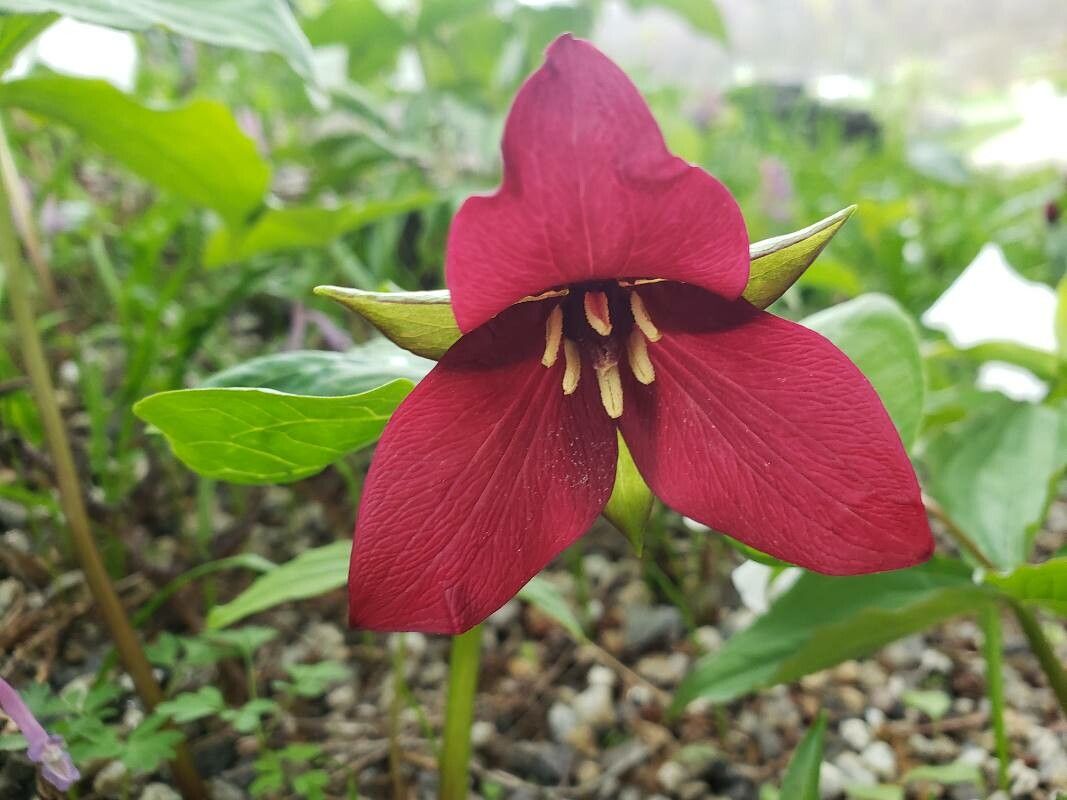
Hello there, fellow garden enthusiasts! Today, we’re diving into the magical world of Trillium erectum, also known as Red Trillium or Wakerobin. These woodland beauties, with their distinctive three-part leaves and striking maroon flowers, are truly a prize in any shady garden. Propagating them can seem a bit daunting, but trust me, it’s a wonderfully rewarding journey that allows you to multiply these gems and share them with loved ones. Now, a heads-up for beginners: Trillium can be a tad finicky, but with patience and the right approach, you can absolutely be successful.
The Best Time to Start
When it comes to Trillium erectum, division of mature rhizomes is by far the most successful and recommended propagation method. And the absolute best time to do this is right after the plant has finished flowering and the leaves are starting to yellow and decline. This typically happens in late spring or early summer. The plant is entering a dormant or semi-dormant phase, which minimizes transplant shock and allows the rhizomes to establish themselves before the heat of summer or the cold of winter sets in. Trying to propagate when the plant is in its full growth phase is a recipe for disappointment.
Supplies You’ll Need
To embark on your Trillium propagation adventure, gather these essentials:
- Sharp, clean pruning shears or a sharp knife: For making clean cuts on the rhizomes.
- A fine-tined garden fork or trowel: For gently loosening the soil around the plant.
- Well-draining potting mix: I prefer a blend of equal parts peat moss, perlite, and a good quality compost. Some gardeners also add a bit of coarse sand.
- Small pots or propagation trays: For your new divisions.
- Labels and a marker: To keep track of what you’ve planted and when.
- Optional: A light dusting of fungicide (like sulfur-based): To protect fresh cuts from rot.
Propagation Methods: Division is Key!
For Trillium erectum, propagation by seed is incredibly slow, often taking several years for germination and even longer for maturity. It’s really best left to the patient botanists! Stem cuttings and water propagation, common for other plants, simply won’t work for Trillium’s rhizomatous nature. Our focus will be on the tried-and-true method: division.
Here’s how we do it:
- Excavate with Care: Gently dig around the base of your mature Trillium plant. Use your fork or trowel to carefully loosen the soil, trying not to disturb the root system too much. The goal is to lift the entire clump, rhizome and all, from the ground.
- Locate the Rhizomes: Once out of the ground, you’ll see the fleshy, underground stems – these are your rhizomes. Mature plants will often have multiple sections or “eyes” (buds) from which new growth emerges.
- Divide and Conquer: Using your sharp pruning shears or knife, carefully slice the rhizome into sections. Each section should ideally have at least one healthy eye or bud and a good portion of the rhizome itself. Don’t be afraid to make clean, firm cuts. If a rhizome looks particularly woody or old, it’s best to discard it.
- Optional Fungicide Treatment: If you’re concerned about rot, you can lightly dust the cut surfaces of the rhizomes with a fungicide powder. This is a good precaution, especially in humid conditions.
- Potting Up: Fill your small pots or trays with your prepared well-draining potting mix. Create a small divot in the soil for each rhizome section.
- Planting: Place each rhizome section into its divot, ensuring the eye or bud is facing upwards. Plant the rhizome so the top is just barely covered by soil, about half an inch deep.
- Water Gently: Water the pots thoroughly but gently. You don’t want to wash away the soil or damage the delicate rhizomes.
The “Secret Sauce” (Pro Tips)
Having gardened with Trilliums for years, I’ve picked up a few tricks that seem to make all the difference:
- Handle with Reverence: Trillium rhizomes are quite delicate. Treat them like precious jewels! Avoid rough handling or crushing them. The cleaner and more precise your knife cuts are, the better the chance of successful rooting and the less prone they are to disease.
- Mimic the Woodland Floor: When you pot up your divided rhizomes, think about their natural habitat. They love slightly acidic, humus-rich soil and consistent moisture, but not waterlogged conditions. My secret is to add a generous layer of leaf mold on top of the soil in the pot – it mimics their natural environment perfectly and provides a great slow-release of nutrients.
- Patience is a Virtue (and a Necessity!): Trilliums are not fast growers. Don’t expect a showstopper overnight. Some divisions might take a full season to poke their heads above the soil. I often find that marking the pot with the date I divided and planted them helps me remember and not get too antsy.
Aftercare & Troubleshooting
Once your Trillium divisions are potted, they need a little TLC.
- Location: Place your pots in a cool, shady location. A bright, indirect light is ideal. Avoid direct sunlight, which can scorch the delicate emerging shoots.
- Watering: Keep the soil consistently moist, but never soggy. Check the soil by sticking your finger in – if the top inch feels dry, it’s time to water. Overwatering is your biggest enemy here, as it can lead to rot, which is the most common sign of failure. If you see your division turning mushy or developing black spots, it’s likely succumbing to rot. There’s usually no coming back from that.
- Dormancy: Trilliums will go through a period of dormancy after flowering. Even if you’ve divided them, they might still exhibit this cycle. Don’t panic if you don’t see immediate growth; they might be resting underground.
- Transplanting: Once you see active growth and the plant looks robust enough (usually after a full growing season), you can transplant your divisions into their permanent garden home. Choose a shady spot with moist, well-draining soil.
A Warm Goodbye
Propagating Trillium erectum is a journey into the heart of woodland gardening. It requires patience, a gentle touch, and a good understanding of the plant’s natural rhythms. Don’t be discouraged if your first few attempts aren’t perfect. Every gardener learns through trial – and error! Enjoy the process, celebrate each tiny leaf that emerges, and soon you’ll have more of these enchanting woodlanders to admire. Happy gardening!
Resource:
https://identify.plantnet.org/k-world-flora/species/Trillium%20erectum%20L./data