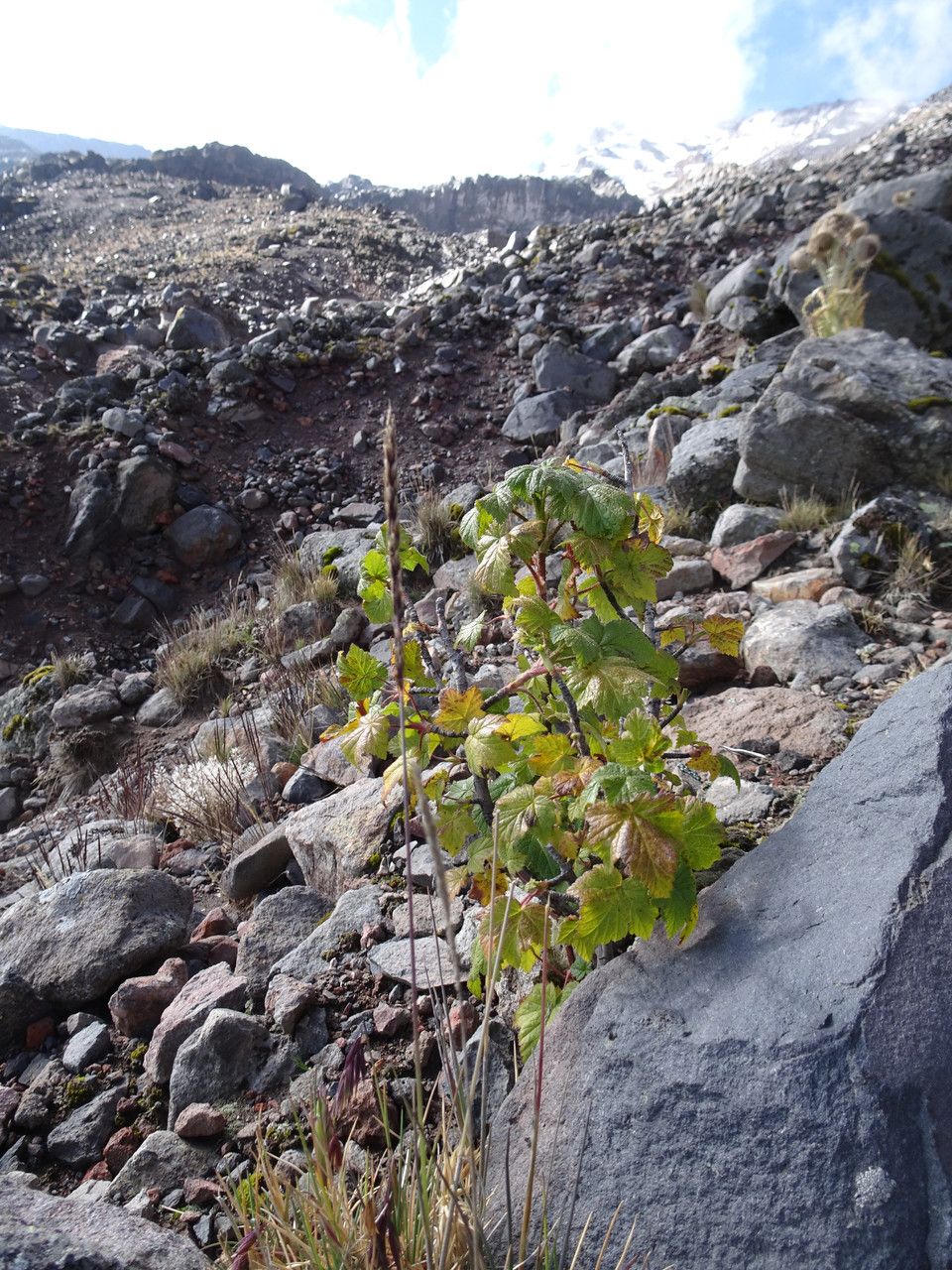
Hello there, fellow garden enthusiasts! Today, we’re diving into something truly special: propagating Ribes ciliatum. If you’re drawn to the delicate charm of this plant – its understated beauty and the promise of lovely little berries – then get ready for a delightful journey. There’s a unique satisfaction in nurturing a new life from a piece of the parent plant, and Ribes ciliatum is a wonderfully rewarding subject for propagation. For beginners, I’d say it’s moderately easy. With a little patience and the right approach, you’ll be well on your way!
The Best Time to Start
When it comes to Ribes ciliatum, timing is everything for that highest success rate. I’ve found the absolute sweet spot is late spring to early summer. This is when the plant is actively growing, and you can take softwood cuttings. These young, flexible stems have the energy and vigor needed to root. Waiting until the stems are hardened off (too woody) can make rooting much trickier, and waiting too long means you miss out on this prime growth window.
Supplies You’ll Need
Before we get our hands dirty, let’s gather our tools. Here’s what I usually have on hand:
- Sharp pruning shears or secateurs: Clean cuts are crucial for preventing disease.
- Rooting hormone: A powder or gel will significantly boost your success rate.
- Small pots or seed trays: Make sure they have good drainage holes.
- Well-draining potting mix: A mix of peat moss, perlite, and a little sand works wonders. You can also buy specialized cutting mixes.
- A watering can or spray bottle: For gentle watering.
- A clear plastic bag or propagator: To create a humid environment for your cuttings.
- Labels: So you don’t forget what you planted and when!
Propagation Methods
There are a few ways to go about this, but my go-to method for Ribes ciliatum is stem cuttings. It’s straightforward and yields fantastic results.
Stem Cuttings:
- Select your cuttings: Look for healthy, vigorous stems on your mature Ribes, ideally about pencil-thick and between 4-6 inches long. You want stems that have just finished their rapid spring growth but haven’t become too woody yet.
- Make the cut: Using your clean pruning shears, make a cut just below a leaf node. This is where roots are most likely to form. Remove the bottom leaves, leaving just the top couple of leaves. If the leaves are very large, I like to cut them in half horizontally to reduce water loss.
- Apply rooting hormone: Dip the cut end of the stem into your rooting hormone, ensuring it’s coated. Gently tap off any excess.
- Plant your cuttings: Fill your small pots with your prepared potting mix. Make a small hole in the center with your finger or a pencil and insert the cutting. Gently firm the soil around it. Aim for about half the cutting to be in the soil.
- Water gently: Water the soil thoroughly but carefully to avoid dislodging the cutting.
- Create humidity: Place the pot inside a clear plastic bag. You can support the bag with stakes so it doesn’t touch the leaves. Alternatively, use a propagator lid. This traps moisture and creates the humid environment your cuttings need.
The “Secret Sauce” (Pro Tips)
Now for a couple of little tricks I’ve learned over the years that can really make a difference:
- My absolute favorite tip is to discard the very first inch or so of the stem after you’ve made your initial cutting. Sometimes, the very tip can be a bit soft or prone to rot. Starting your cutting from just below that point often gives you a stronger, more reliable base for rooting.
- When you’re using the plastic bag method, make sure no leaves are touching the inside of the bag or the soil directly. This is a prime spot for fungal issues to take hold, and you want all that moisture to be recirculating rather than pooling.
Aftercare & Troubleshooting
Once your cuttings are planted and tucked into their humid little homes, place them in a bright spot that receives indirect sunlight. Avoid direct sun, as it can scorch those tender new leaves. Keep the soil consistently moist, but not waterlogged. You can check the moisture by gently poking the soil with your finger.
The exciting part is waiting for roots! This can take anywhere from 4 to 8 weeks, sometimes longer. You’ll know your cutting has rooted when you feel a gentle resistance when you tug it lightly, or if you see new leaf growth.
Now, what if things aren’t going as planned? The most common sign of failure is wilting and browning leaves that don’t recover, or, unfortunately, rot. If you see a cutting turning black and mushy at the soil line, it’s usually a sign of too much moisture or a fungal infection. In this case, it’s best to discard it and try again, perhaps with a slightly drier soil mix or ensuring more air circulation. Don’t get discouraged! Every gardener has had plants that just didn’t make it.
A Warm Closing
Propagating Ribes ciliatum is a beautiful act of patience and hope. Don’t rush the process, and celebrate the small victories along the way. Each little root that forms is a testament to nature’s resilience and your gentle touch. Have fun with it, and soon you’ll have a whole new generation of these charming plants gracing your garden! Happy propagating!
Resource: