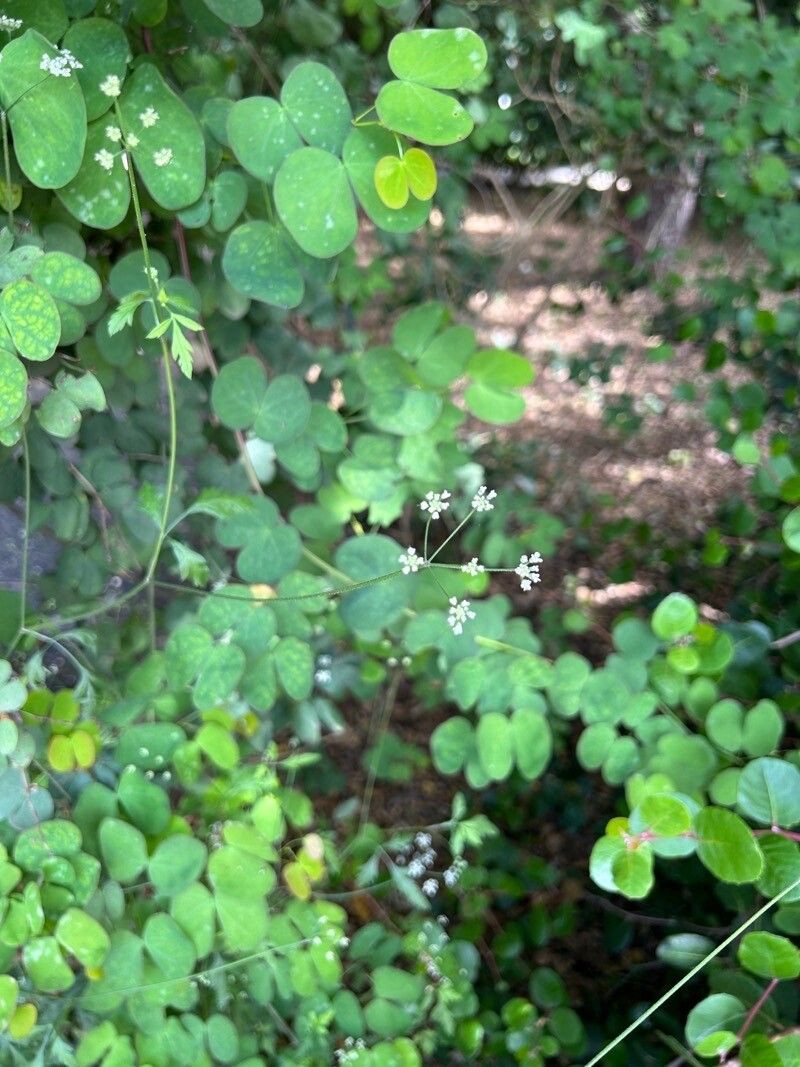
Oh, hello there! Pull up a chair and let’s chat about one of my absolute favorites: Taenidia integerrima. If you’re looking for a plant that brings a touch of delicate, almost ethereal beauty to your garden, you’ve found it. Its fine, airy foliage and lovely blooms are a real treat, and the satisfaction of coaxing a new life from an existing beauty? Well, that’s just pure gardening joy.
Now, you might be wondering if Taenidia integerrima is a tough nut to crack when it comes to propagation. Honestly, it’s not the absolute easiest for a complete novice, but with a little care and attention, it’s completely achievable. I think you’ll find the rewards far outweigh any perceived challenge.
The Best Time to Start
For Taenidia integerrima, timing is key. The sweet spot for propagation is late spring to early summer, just as the plant is in its active growing phase. This is when cuttings are most vigorous and have the best chance of establishing roots quickly. Waiting until after the main flowering period is also a good bet for divisions.
Supplies You’ll Need
Before we dive in, let’s gather our tools. You won’t need anything too fancy:
- Sharp pruning shears or a clean knife: For taking precise cuttings.
- Small pots or seed trays: Clean ones are essential to prevent disease.
- A good quality potting mix: I like a blend of peat moss, perlite, and a bit of compost. This provides good drainage and aeration. For divisions, something a bit richer might be nice.
- Rooting hormone (optional but recommended): A powder or gel can give your cuttings a helpful boost.
- A mister bottle: For keeping cuttings hydrated without waterlogging them.
- Clear plastic bags or a propagation dome: To create a humid environment.
Propagation Methods
Let’s get our hands dirty! There are two main ways I find most successful with Taenidia integerrima:
Stem Cuttings: A Little Bit of Magic
This is my go-to method for increasing my collection.
- Take Your Cuttings: Choose a healthy, non-flowering stem from your established plant. It should be about 4-6 inches long. Using your clean shears, make a clean cut just below a leaf node (the spot where a leaf attaches to the stem).
- Prepare the Cuttings: Gently remove the lower leaves, leaving just a few at the top. This prevents them from rotting when buried. If you’re using rooting hormone, dip the cut end into the powder or gel, tapping off any excess.
- Plant Them Up: Fill your small pots with your moistened potting mix. Make a small hole with your finger or a pencil. Insert the cutting into the hole, ensuring the leaf nodes are below the surface. Gently firm the soil around the stem.
- Create a Humid Environment: Water the soil lightly until it’s evenly moist but not soggy. Then, cover the pot with a clear plastic bag, creating a mini-greenhouse. You can secure the bag with a rubber band. Alternatively, use a propagation dome.
- Find the Right Spot: Place the pots in a bright location out of direct sunlight. A sunny windowsill is usually too intense.
Division: Spreading the Love
If your Taenidia integerrima is looking a bit crowded or you want to give it a refresh, division is a wonderful choice.
- Prepare to Divide: The best time for this is usually early spring before new growth really takes off, or after flowering has finished.
- Gently Excavate: Carefully dig up the entire plant. Try to be as gentle as possible to avoid damaging the root system. You might need to use a trowel or even a sturdy fork.
- Separate the Roots: Once the plant is out, you can usually see natural divisions where the plant has spread. Gently pull or tease the sections apart with your hands. If the roots are very tangled, you can use a clean knife to carefully cut through them, ensuring each division has at least a few healthy roots and some top growth.
- Replant: Replant the divisions immediately into prepared soil. Give them plenty of space to grow! Water them well after planting.
The “Secret Sauce” (Pro Tips)
Here are a few things I’ve learned over the years that can really make a difference:
- Don’t let the leaves touch the water in your propagation setup. If you’re using water propagation (less common for this one, but possible), ensure the leaves are well above the water line. Constant moisture on foliage can invite fungal diseases.
- Bottom heat is your friend for stem cuttings. If you have a heat mat designed for seedlings, placing your pots on it provides gentle warmth to the soil, encouraging root development. It’s like giving your little plant babies a warm blanket!
- A light misting every day or two is usually sufficient for cuttings. You’ll see condensation on the inside of your plastic bag or dome – that’s a good sign of humidity. If it looks a bit dry, give it a gentle spray.
Aftercare & Troubleshooting
Once you see new growth appearing, that’s a strong indication that roots have formed! This is a moment to celebrate.
- Gradual Acclimation: Don’t rip off the plastic bag immediately. Gradually introduce your new plants to ambient humidity by opening the bag or dome for a few hours each day over a week or so.
- Watering: Continue to keep the soil consistently moist, but not soggy. As they grow stronger, you can transition them to a regular watering schedule.
- Repotting: When your new plants have developed a good root system (you’ll see roots coming out of the drainage holes), it’s time to move them into slightly larger pots with fresh potting mix.
Now, what if things go wrong? The most common issue is rot. If your cuttings turn mushy, black, or develop a foul smell, it’s usually a sign of too much moisture and not enough air circulation. Ensure your soil drains well and that you’re not overwatering. If division doesn’t take, it could be that a particular section had weak roots or wasn’t divided carefully enough. Don’t get discouraged!
A Bit of Patience and Plenty of Joy
Growing new plants from cuttings or divisions is such a rewarding experience. It connects you more deeply with your garden and offers a wonderful sense of accomplishment. Be patient with your Taenidia integerrima – sometimes it takes a little while for roots to establish, but the results are always worth the effort. Happy propagating!
Resource:
https://identify.plantnet.org/k-world-flora/species/Taenidia%20integerrima%20(L.)%20Drude/data