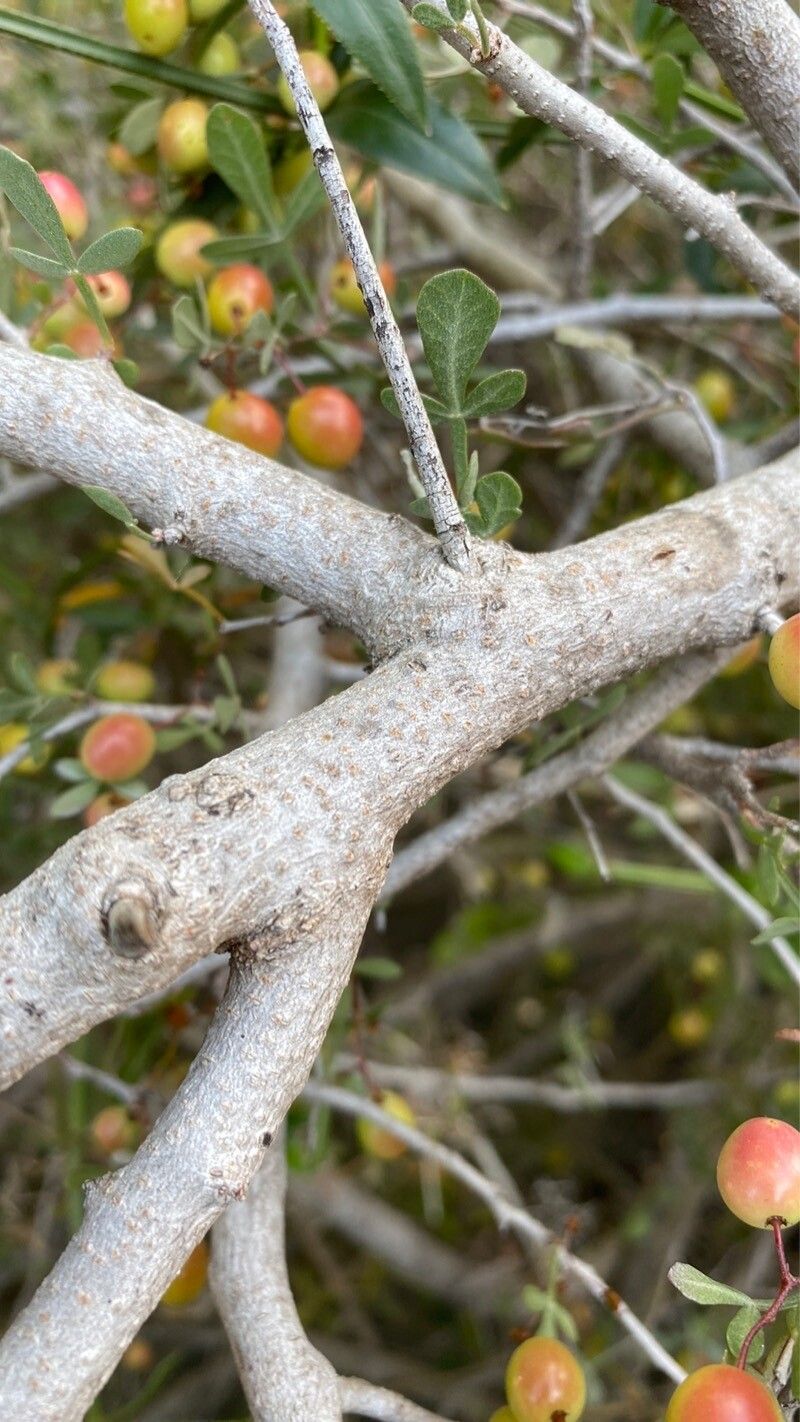
Hey there, fellow plant lovers! If you’ve ever admired the delicate beauty of a Searsia zeyheri, you know exactly why it’s such a treasure in any garden. With its lovely foliage and graceful habit, it’s a plant that truly brings a sense of calm and style. And guess what? You can easily bring more of that charm into your own space by propagating it! It’s a deeply rewarding feeling, watching a tiny cutting unfurl its first new leaves. For Searsia zeyheri, I find it to be a pretty straightforward plant to work with, making it a wonderful choice for beginners looking to dip their toes into the world of plant propagation.
The Best Time to Start
Spring is your best friend when it comes to propagating Searsia zeyheri. Once the days start to lengthen and the plant is showing signs of active growth, that’s your signal. Look for healthy, non-flowering stems. This is when the plant has the most energy reserves to put into developing those all-important roots. Trying to take cuttings when the plant is dormant or stressed just won’t yield the same enthusiastic results.
Supplies You’ll Need
To get your propagation journey off to a flying start, gather these essentials:
- Sharp pruning shears or a clean, sharp knife: For precise cuts that minimize damage.
- Rooting hormone (optional but recommended): A little helps boost root development. Look for one specifically formulated for stem cuttings.
- Well-draining potting mix: A good blend of perlite, peat moss, and perhaps some fine bark will do wonders. You can also use a commercial seed-starting or succulent mix, as they tend to be airy.
- Small pots or seedling trays: Clean ones are key to preventing disease.
- Plastic bags or a propagation dome: To create a humid environment.
- Water: For your cuttings.
- A watering can or mister: For gentle watering.
Propagation Methods
For Searsia zeyheri, I’ve had the most success with stem cuttings. It’s simple, effective, and you can get quite a few new plants from a single parent.
Stem Cuttings:
- Select your stem: Choose a healthy, green stem that’s about 4-6 inches long. Make sure it has at least a couple of leaf nodes (where the leaves attach to the stem).
- Make the cut: Using your clean shears or knife, make a clean cut just below a leaf node. This is where new roots are most likely to form.
- Prepare the cutting: Gently remove the leaves from the bottom half of the stem. You want to expose at least one or two leaf nodes. If the remaining leaves are very large, you can cut them in half to reduce water loss.
- Apply rooting hormone (optional): Dip the cut end of the stem into your rooting hormone powder, tapping off any excess.
- Plant your cutting: Fill your small pot with your well-draining potting mix. Make a small hole in the center with your finger or a pencil. Insert the cut end of the stem into the hole, ensuring the exposed leaf nodes are buried in the soil. Gently firm the soil around the stem.
- Water lightly: Water the soil gently until it’s just moist, not soggy.
- Create humidity: Place your pot into a plastic bag, propping it up with sticks or skewers so the bag doesn’t touch the leaves. Alternatively, use a propagation dome. Seal the bag or dome to create a humid environment.
The “Secret Sauce” (Pro Tips)
Here are a couple of things I’ve learned over the years that make a real difference:
- Don’t overwater your cuttings before they root. Soggy soil is the quickest way to invite rot. My trick is to water until it’s just moist, then wait until the top inch of soil feels dry before watering again. It’s better to let them dry out slightly than to drown them.
- Consider bottom heat. While Searsia zeyheri isn’t the most fussy plant, a gentle warmth from below can really speed up root formation. A seedling heat mat can be a game-changer, especially if your home tends to be on the cooler side. Just make sure it’s not too hot – you don’t want to cook those delicate roots!
Aftercare & Troubleshooting
Once your cuttings have been planted, place them in a bright spot that receives indirect sunlight. Keep the soil consistently moist but not waterlogged. You’ll know your cutting is taking off when you see new leaf growth appearing. This can take anywhere from a few weeks to a couple of months.
The most common problem you might encounter is rot. If you see the stem turning black and mushy, it’s usually a sign of too much moisture or disease. Sadly, once rot sets in, it’s hard to save. Make sure your soil drains well and your cuttings have good air circulation. If your cuttings just refuse to show any signs of life after a long time, it’s possible they just didn’t take, and that’s okay! Don’t get discouraged.
A Encouraging Closing
Propagating plants is a beautiful dance with nature. Each cutting is a little adventure, and while not every one will be a success, the journey itself is incredibly rewarding. Be patient, enjoy the process of nurturing these new beginnings, and soon you’ll have a whole collection of your favorite Searsia zeyheri to enjoy. Happy propagating!
Resource:
https://identify.plantnet.org/k-world-flora/species/Searsia%20zeyheri%20(Sond.)%20Moffett/data