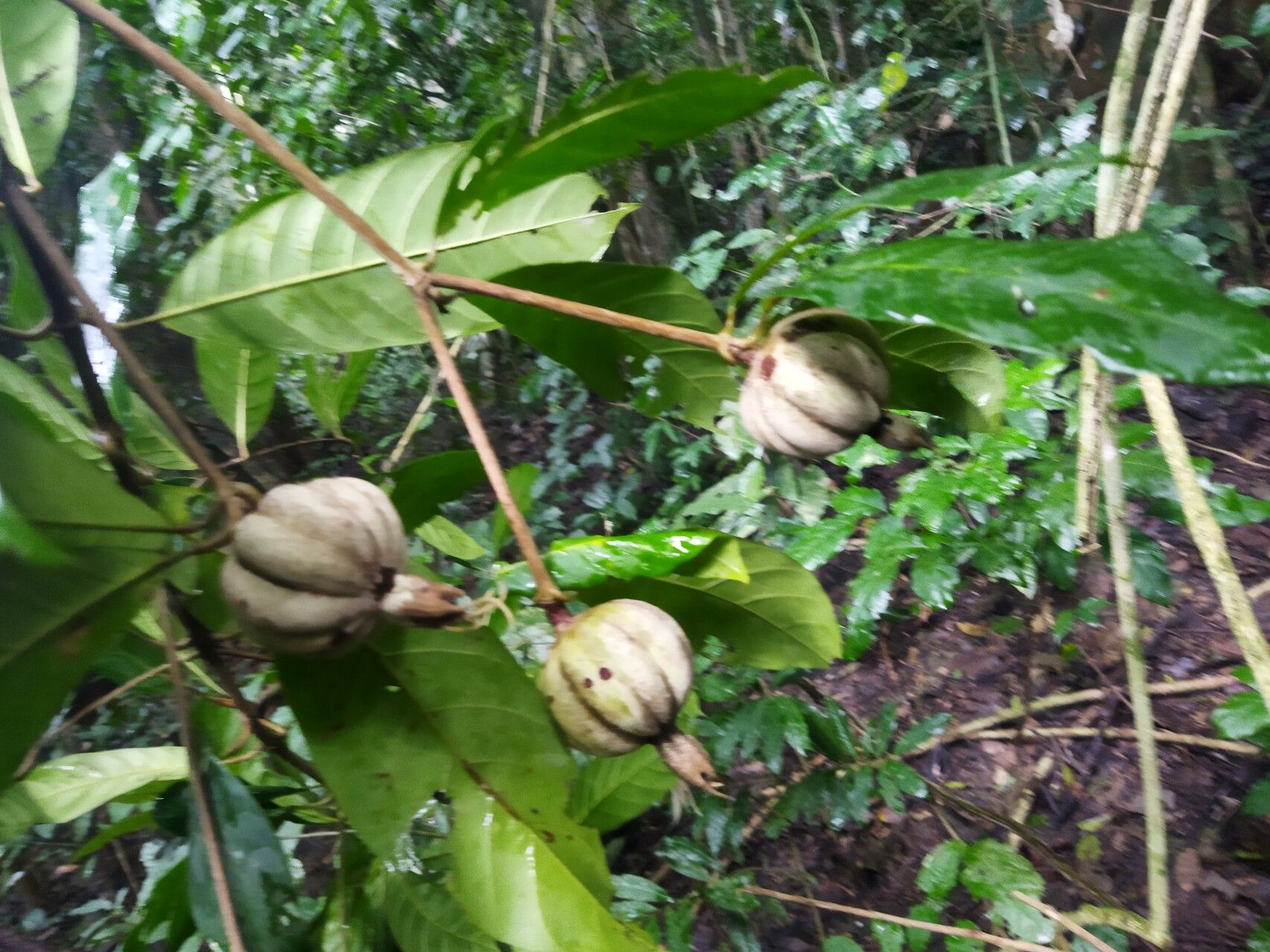
Hello fellow garden enthusiasts! I’m so excited to talk to you today about a plant that has truly captured my heart: Rothmannia whitfieldii. You might know it by its common name, the Zambia or Natal gardenia. It’s a stunner, isn’t it? Those gorgeous, fragrant white flowers that unfurl with a whisper of pink are simply intoxicating. For me, the real joy comes in coaxing new life from these beauties, and propagating them is a wonderfully rewarding experience. Now, for beginners, I’d say Rothmannia whitfieldii is moderately easy to propagate. It’s not quite as foolproof as a pothos, but with a little care and attention, you’ll be rewarded with your own little gardenia babies.
The Best Time to Start
When it comes to getting the best success rate, spring is your golden ticket. Aim for late spring or early summer, when the plant is actively growing. You’re looking for those lovely, semi-hardwood stems – not the brand new, floppy growth, and definitely not the old, woody bits. Think something that’s firm to the touch but still has a bit of flexibility. This is when cuttings are most likely to root.
Supplies You’ll Need
Before we dive in, let’s gather our tools. Having everything ready makes the process so much smoother.
- Sharp pruning shears or a clean, sharp knife: For making clean cuts.
- Rooting hormone powder or gel: This really gives your cuttings a helpful boost.
- Small pots or seedling trays: About 3-4 inches in diameter are perfect.
- A well-draining potting mix: I like to use a blend of peat moss, perlite, and a little bit of coarse sand. It mimics the airy conditions they love. You can also buy specific propagation mixes.
- A clear plastic bag or a propagator lid: To create a humid environment.
- Watering can with a fine rose nozzle: To water gently.
- Labels and a marker: To keep track of what you’ve got!
Propagation Methods
Let’s get our hands dirty! Stem cuttings are my go-to method for Rothmannia whitfieldii.
- Take Your Cuttings: In late spring or early summer, select healthy stems that are about 4-6 inches long. Make a clean cut just below a leaf node. This is where roots are most likely to form. Remove the lower leaves, leaving just a few at the top. This reduces water loss and prevents leaves from rotting in the soil. If the leaves are very large, you can even cut them in half.
- Apply Rooting Hormone: Dip the cut end of the stem into your rooting hormone powder or gel. Tap off any excess. This step is crucial for encouraging robust root development.
- Pot Up Your Cuttings: Fill your small pots with your prepared well-draining potting mix. Gently insert the prepared cuttings into the soil, making sure they are firm enough to stand on their own. Water them gently but thoroughly.
- Create a Humid Environment: Place the potted cuttings inside a clear plastic bag or cover them with a propagator lid. This traps moisture and keeps the humidity high, which is essential for softwood cuttings. Make sure the leaves aren’t touching the plastic if possible – I often use small stakes to keep the bag off the foliage.
- Provide the Right Conditions: Place your pots in a bright spot, but out of direct sunlight. They like warmth, so a sunny windowsill is great, but avoid harsh midday sun which can scorch them.
The “Secret Sauce” (Pro Tips)
Here are a few things I’ve learned over the years that can really make a difference:
- Bottom Heat is Your Friend: If you can, place your mini propagators on a heated propagator mat. This gentle warmth from below mimics spring soil temperatures and significantly speeds up root formation. It’s a game-changer, especially if your home isn’t naturally very warm.
- Don’t Drown Them: While humidity is key, avoid the soil becoming waterlogged. Water sparingly but consistently. You want it moist, not soaking wet. Overwatering is a common culprit for rot. I often check the soil moisture by gently pressing the surface – if it springs back nicely, it’s usually good.
- Watch for the “Tug Test”: This is my favorite way to know if roots have formed. After a few weeks (it can take anywhere from 4-8 weeks, sometimes longer), give a gentle tug on the cutting. If you feel resistance, congratulations – roots have taken hold!
Aftercare & Troubleshooting
Once you feel that resistance during the “tug test,” it’s time to start acclimatizing your new plant. Gradually remove the plastic bag or lid over a week or two. Continue to keep the soil moist and in bright, indirect light. You can start a very diluted liquid feed once you see new leaf growth.
Now, what if things don’t go as planned? The most common issue is rot. If your cuttings turn black and mushy, it’s usually a sign of too much moisture and not enough air circulation. On the other hand, if the stems look shriveled and dry, they might be getting too much sun or not enough humidity. Don’t get discouraged if some don’t make it – it’s all part of the learning process!
A Gentle Encouragement
Propagating Rothmannia whitfieldii is a journey, not a race. Be patient with your little cuttings, provide them with consistent care, and celebrate every tiny sign of new growth. The satisfaction of nurturing a new plant from a tiny cutting is truly special. Happy propagating!
Resource:
https://identify.plantnet.org/k-world-flora/species/Rothmannia%20whitfieldii%20(Lindl.)%20Dandy/data