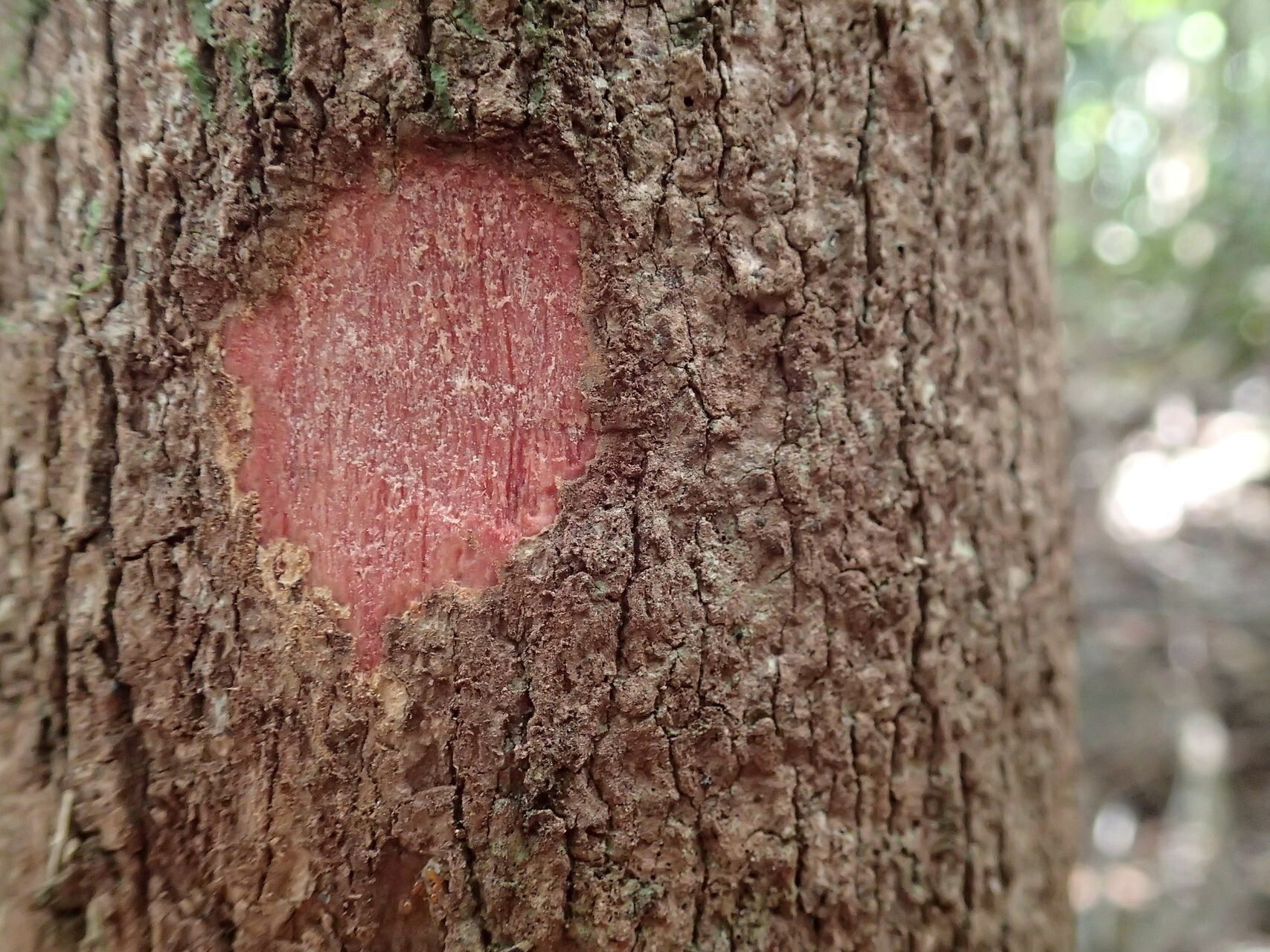
Oh, hello there! Pull up a chair and let’s chat about a truly special plant: Cunonia balansae. If you’re drawn to unique foliage and a touch of the exotic in your garden, this New Caledonian beauty might just steal your heart. Its striking architectural form and the subtle beauty of its leaves make it a real statement piece. And let me tell you, coaxing a new plant to life from a cutting of your own beloved specimen? It’s one of the most satisfying feelings a gardener can experience. Now, is Cunonia balansae a walk in the park for absolute beginners? I’d say it’s more of a gentle stroll. It’s not the most difficult plant to propagate, but it does appreciate a bit of attention and following a few key steps.
The Best Time to Start
For the best chance of success with Cunonia balansae, I find that late spring to early summer is your golden window. This is when the plant is actively growing, and the young, semi-hardwood stems have just the right balance of flexibility and structure. Think of it as giving your cuttings the best possible start with plenty of energy behind them.
Supplies You’ll Need
Gathering your tools beforehand makes the whole process so much smoother. Here’s what I always have on hand:
- Sharp pruning shears or a clean, sharp knife
- Rooting hormone (I prefer a powder, but liquid works too)
- A well-draining potting mix. I like a blend of equal parts perlite and coco coir, or a good quality seed-starting mix.
- Small pots or trays with drainage holes (2-4 inch pots are perfect).
- A plastic bag or clear propagator lid to create a humid environment.
- A spray bottle filled with clean water.
- Labels and a pen to keep track of your cuttings.
Propagation Methods
While there might be other ways, stem cuttings are by far the most reliable and rewarding method for Cunonia balansae.
- Select Your Cuttings: On a healthy, actively growing Cunonia balansae plant, look for stems that are slightly woody but still flexible – what we call semi-hardwood. You want pieces that are about 4-6 inches long. Make your cuts just below a leaf node. These nodes are where roots are most likely to form. Remove any lower leaves, leaving just a couple of sets at the top.
- Prepare the Cuttings: Gently dip the cut end of each stem into your rooting hormone, tapping off any excess. This step is crucial for encouraging root development.
- Planting the Cuttings: Fill your small pots with the prepared potting mix. Make a small hole in the center of the soil with your finger or a pencil. Carefully insert the prepared cutting into the hole, ensuring the leaf nodes are buried in the soil. Gently firm the soil around the stem.
- Create a Humid Environment: Water the soil lightly until it’s moist but not waterlogged. Then, place the pots into a plastic bag, sealing it loosely, or cover them with a clear propagator lid. This traps humidity, which is vital for preventing cuttings from drying out before they can root.
The “Secret Sauce” (Pro Tips)
Over the years, I’ve learned a few little tricks that seem to make a world of difference.
- Don’t Over-Water the Soil: While humidity is key, soggy soil is the fastest way to invite rot. The mix should be consistently moist, like a wrung-out sponge, not soaking. I often check by gently pressing the soil. If it springs back and feels cool and damp, it’s good.
- Bottom Heat is Your Friend: If you can provide a little gentle warmth from underneath, it really speeds up root formation. A heated propagator mat or just placing your trays in a warm room (but out of direct sun) can make a significant difference. You don’t need it blazing hot, just a gentle warmth.
- Cleanliness is Crucial: Always use clean tools and pots. This goes a long way in preventing fungal diseases that can plague cuttings. A quick rinse of your shears between cuts is a good habit to get into.
Aftercare & Troubleshooting
Once your cuttings have rooted (this can take anywhere from 4-8 weeks, sometimes longer), you’ll start to see new growth. You might gently tug on a cutting – if there’s resistance, that’s a good sign of roots!
Gradually acclimate your new plants to normal humidity. You can start by opening the propagator bag a little each day, or lifting the lid for increasing periods. Once they’re looking robust and you can see a good network of roots if you gently tip the pot, they’re ready to be transferred to slightly larger pots with a good quality potting mix.
The most common issue you’ll encounter is rot. If a cutting turns black and mushy, it’s usually a sign of too much moisture or not enough air circulation. Don’t be disheartened if not every cutting takes – it’s part of the process. Remove any rotted cuttings immediately to prevent it from spreading.
A Encouraging Closing
So there you have it! Propagating Cunonia balansae is a wonderfully rewarding journey. Be patient, gentle, and observant. Watch your cuttings, learn from them, and celebrate every tiny new leaf or root you discover. Happy propagating!
Resource:
https://identify.plantnet.org/k-world-flora/species/Cunonia%20balansae%20Brongn.%20&%20Gris/data