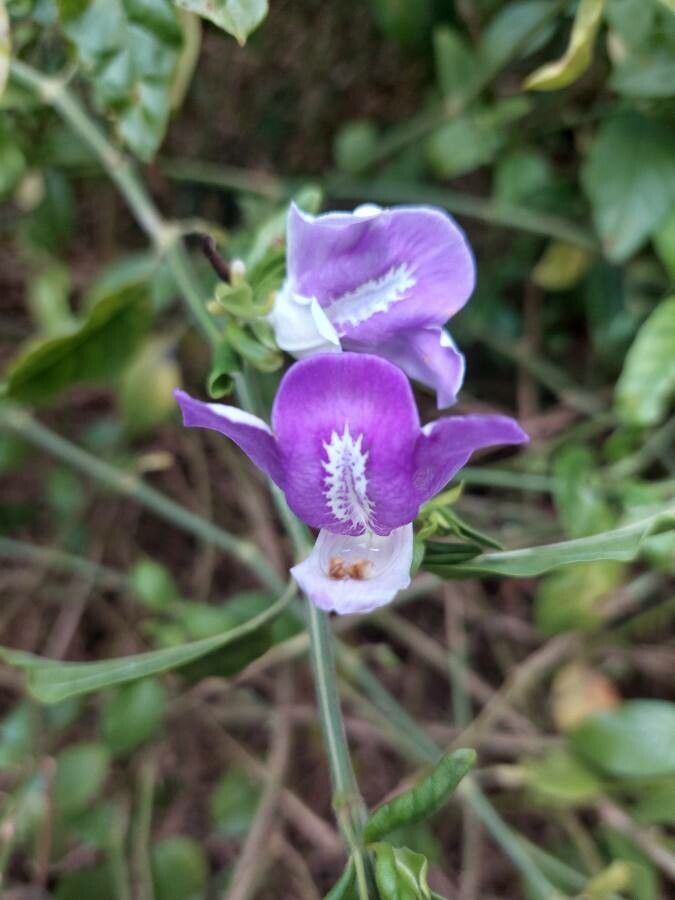
Oh, hello there! Pull up a chair and let’s talk about one of my absolute favorite plants: Clistax brasiliensis. You might know it as the Brazilian bottlebrush, and if you don’t, you’re in for a treat! Its vibrant, brush-like flowers are simply breathtaking, and there’s something so incredibly satisfying about coaxing a brand-new plant from a little piece of the parent. Now, is it a walk in the park for a total beginner? Honestly, it leans a little more towards the intermediate side, but with a bit of care and attention, you’ll be celebrating success.
The Best Time to Start
For the highest success rate with Clistax brasiliensis, I always aim to start my propagation efforts in late spring or early summer. This is when the plant is actively growing and has plenty of energy. You’re looking for healthy, non-flowering shoots that have started to toughen up a bit – what we call semi-hardwood cuttings. Avoid taking cuttings from brand new, floppy growth or from old, woody stems.
Supplies You’ll Need
Here’s what you’ll want to have on hand:
- Sharp, clean pruning shears or a sharp knife: For making clean cuts.
- Rooting hormone (optional, but recommended): A powder or gel will help speed things up.
- A well-draining potting mix: I love a blend of equal parts peat moss or coco coir, perlite, and a bit of sand.
- Small pots or propagation trays: With drainage holes, of course!
- A clear plastic bag or a propagator lid: To create a humid environment.
- A spray bottle: For misting.
- Optional: A heat mat: For bottom warmth, which can be a real game-changer.
Propagation Methods
The most reliable way to propagate Clistax brasiliensis is through stem cuttings. Here’s how I do it:
- Select Your Cuttings: Choose healthy stems that are about 4-6 inches long. Look for growth that is firm but not woody.
- Make the Cut: Using your clean shears, make a clean cut just below a leaf node (where a leaf attaches to the stem). This is where the magic happens for root formation.
- Prepare the Cutting: Gently remove the lower leaves, leaving just a few at the top. If the leaves are very large, you can even cut them in half to reduce water loss.
- Apply Rooting Hormone (Optional): Dip the cut end of the stem into your rooting hormone, tapping off any excess.
- Plant Your Cuttings: Make a hole in your prepared potting mix with a pencil or your finger, then insert the cutting, firming the soil gently around it. Ensure at least one leaf node is below the soil surface.
- Water Gently: Water the soil thoroughly until you see it draining from the bottom.
- Create Humidity: Place a clear plastic bag over the pot, securing it loosely or using a propagator lid. This will trap in moisture.
The “Secret Sauce” (Pro Tips)
Over the years, I’ve learned a few little tricks that make a big difference:
- Don’t let the leaves touch the water in the pot. If you’re doing water propagation (which I find less successful for Clistax but some folks try), definitely resist that urge! In soil, however, keeping leaves out of excess water is key to preventing rot.
- Bottom heat is your best friend. Placing your pots on a heat mat set to a gentle temperature (around 70-75°F or 21-24°C) can significantly speed up root development. It mimics the warmth of spring.
- Be patient with the misting. Give your cuttings a light misting every couple of days, especially if you’re not using a propagator lid. You want the soil to be consistently moist, but never waterlogged.
Aftercare & Troubleshooting
Once your cuttings have developed a good root system (you’ll know when you gently tug and feel resistance, or see roots emerging from the drainage holes), it’s time to move them into their own small pots. Continue to keep them well-watered but not soggy, and provide them with bright, indirect light. Overwatering is the most common culprit for failure, leading to that dreaded rot at the base of the stem, which turns mushy and black. If you see this, sadly, that cutting is likely lost. Another sign of trouble is if the leaves start to yellow and drop excessively, which can indicate either too much or too little water, or insufficient light.
Don’t get discouraged if not every cutting takes. It’s part of the gardening adventure! The joy of creating new life is truly one of the most rewarding aspects of this hobby. Keep trying, observe your plants, and soon you’ll be sharing your beautiful Clistax babies with friends. Happy propagating!
Resource:
https://identify.plantnet.org/k-world-flora/species/Clistax%20brasiliensis%20Mart./data