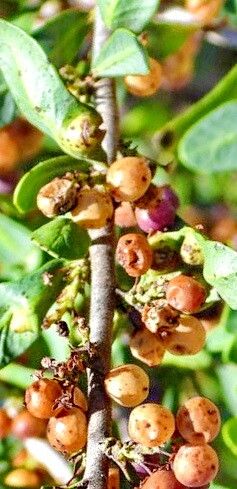
Oh, hello there! It’s so lovely to have you join me today. I’ve been dreaming up this chat about Schinus fasciculata – you know, that gorgeous plant with the delicate foliage and the lovely, often subtly fragrant, leaves? It’s a real joy to have in the garden, or even as a delightful houseplant. If you’ve ever admired its graceful branches and thought, “Gosh, I’d love another one of those,” then you’re in the right place! Propagating Schinus fasciculata is a wonderfully rewarding experience. It’s not overly difficult, though it does ask for a little bit of patience and attention. It’s a fantastic project for anyone looking to expand their plant family without breaking the bank.
The Best Time to Start
For Schinus fasciculata, the sweet spot for propagation is usually when the plant is actively growing. I find that late spring to early summer is your best bet. The plant is bursting with energy then, so cuttings taken during this period are more likely to root successfully. You want to capture that vigorous growth phase. Avoid taking cuttings during the plant’s dormancy or when it’s stressed, like during a heatwave or drought.
Supplies You’ll Need
Gathering your supplies beforehand makes the whole process so much smoother. Here’s what I usually have on hand:
- Sharp Pruning Shears or a Knife: Clean, sharp tools are crucial for making a clean cut, which helps prevent disease and encourages rooting.
- Rooting Hormone (Optional but Recommended): I find a good rooting powder or gel significantly boosts my success rates.
- Small Pots or Seedling Trays: Choose pots with drainage holes, of course!
- Propagating Medium: A good well-draining mix is key. I often use a blend of perlite and peat moss or coco coir (about a 50/50 ratio). Some folks like to add a bit of fine bark for aeration.
- Watering Can with a Fine Rose: For gentle watering.
- Plastic Bags or a Propagator Lid: To create a humid environment for your cuttings.
- Labels or Plant Markers: So you don’t forget what you’ve planted!
Propagation Methods
Let’s get our hands dirty! I’ve had the most success with stem cuttings for Schinus fasciculata.
Stem Cuttings:
- Select Your Cuttings: Look for healthy, new growth on your parent plant. You want stems that are semi-hardwood – meaning they are not brand new and floppy, but also not completely woody and stiff. Aim for cuttings that are about 4-6 inches long.
- Make the Cut: Using your sharp pruning shears or knife, take a clean cutting. Try to make the cut just below a leaf node (where a leaf attaches to the stem).
- Prepare the Cutting: Gently remove the lower leaves from the cutting, leaving just a few at the very top. This prevents them from rotting in the soil and directs the plant’s energy towards root formation. If the leaves are very large, you can even cut them in half horizontally.
- Apply Rooting Hormone: If you’re using rooting hormone, lightly dip the cut end into the powder or gel. Tap off any excess.
- Potting Up: Fill your small pots or seedling trays with your propagating medium. Make a small hole in the center with your finger or a pencil.
- Insert the Cutting: Carefully push the prepared cutting into the hole, ensuring the leaf nodes that you removed leaves from are buried in the soil. Gently firm the soil around the base of the cutting.
- Water Gently: Water thoroughly until the soil is evenly moist, but not waterlogged.
- Create Humidity: To keep your cuttings from drying out, I like to place a clear plastic bag over the pot, making sure the leaves don’t touch the plastic if possible, or use a propagator lid. You can also use wooden skewers to support the bag away from the cuttings.
- Place in a Warm Spot: Find a bright location that receives indirect light. Avoid direct sun, which can scorch the delicate cuttings.
The “Secret Sauce”
Now, here are a couple of tricks I’ve learned over the years that really help:
- The “Heel” Trick: Sometimes, you can get an extra boost by selecting a cutting that includes a tiny piece of the older wood, often called a “heel.” This is where a side shoot emerges from a larger branch. When you take your cutting, try to gently pull downwards so that a small sliver of the thicker stem comes with it. This older wood can sometimes encourage faster rooting.
- Bottom Heat is Your Friend: If you have a heated propagator mat or can place your pots on top of a gently warm surface (like a windowsill over a slightly warm appliance), this can make a huge difference. Bottom heat encourages root development much more effectively than just ambient room temperature.
Aftercare & Troubleshooting
Once your cuttings are planted, it’s all about patience and consistent care. Keep the soil consistently moist but never soggy. Mist the leaves occasionally if they look a bit dry, especially if you don’t have a humidity dome.
You’ll know your cutting has rooted when you see new leaf growth or feel a gentle resistance when you lightly tug on the cutting. This can take anywhere from 4 weeks to a couple of months, so don’t get discouraged if it takes time! Once roots have formed, you can gradually remove the plastic bag to acclimate your new plant to drier air. Water it as you would a mature plant, and when it grows large enough, you can transplant it into a slightly larger pot.
The most common pitfall is rot. This usually happens if the soil stays too wet or if there’s poor air circulation. If you see mushy, black stems, unfortunately, that cutting is likely lost. The best defense is good drainage and not overwatering. If you see wilting, it could be a sign of dehydration or sometimes just the plant adjusting to its new environment. Make sure the humidity is up for wilting cuttings.
A Little Encouragement
Propagating plants is a journey, and each cutting is a little experiment. Celebrate every success, learn from every setback, and most importantly, enjoy the process of nurturing new life. You’ve got this! Your Schinus fasciculata babies will be thriving before you know it. Happy propagating!
Resource: