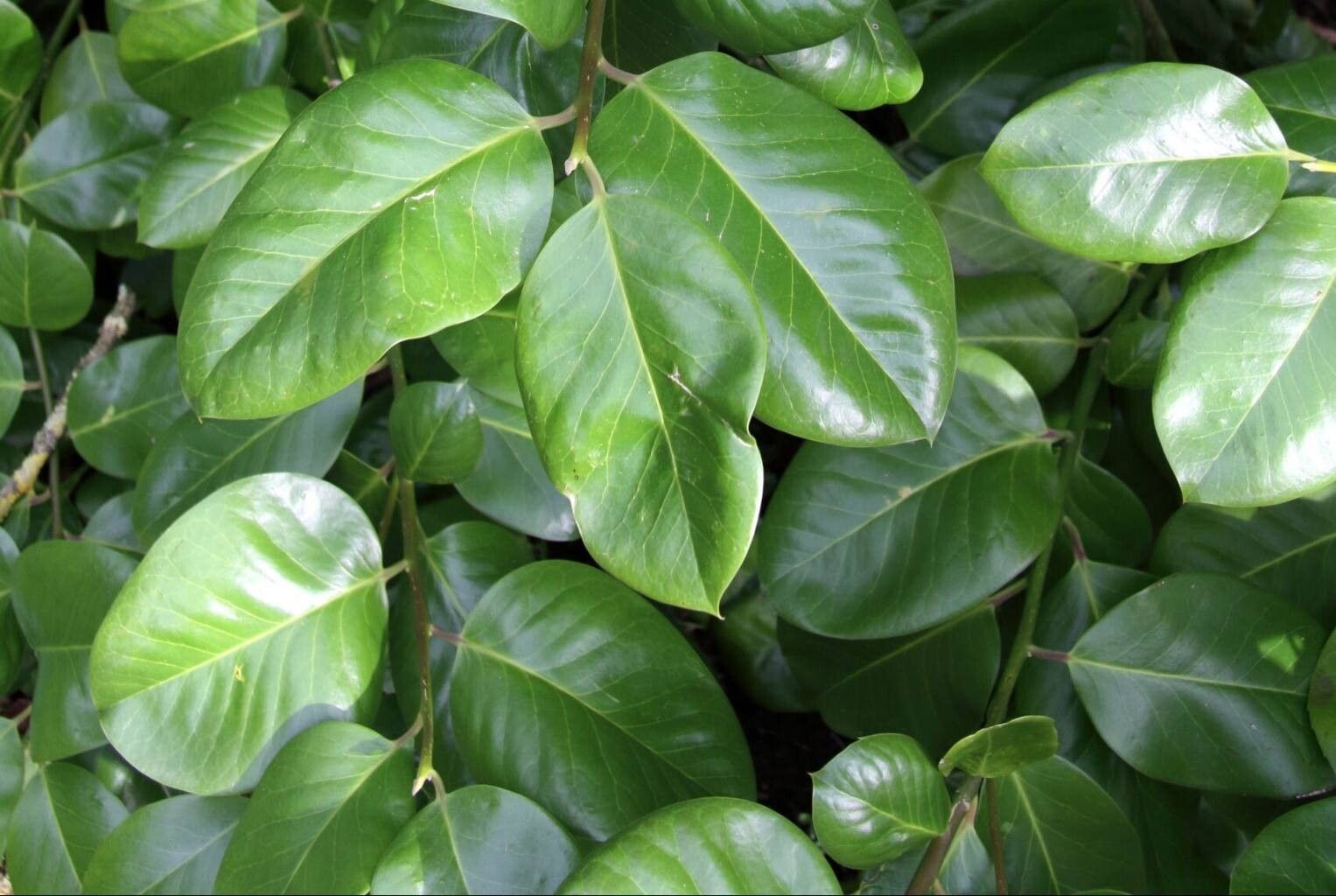
Hello, fellow garden lovers! I’m so excited to chat with you today about a truly special plant: Ilex perado. If you haven’t met this beauty yet, imagine glossy, dark green leaves, sometimes with a hint of red on new growth, and if you’re lucky, vibrant red berries that bring such cheer, especially in the cooler months. It’s a plant that adds structure and timeless elegance to any garden. And the best part? It’s surprisingly rewarding to propagate! Now, for those of you just dipping your toes into the world of plant propagation, I’d say Ilex perado is a moderately easy plant to work with. With a little patience and these tips, you’ll be well on your way to success.
When to Get Your Hands Dirty
The sweet spot for propagating Ilex perado is typically late spring through early summer. This is when the plant is actively growing, and the new stems, often called “softwood,” are pliable and have the most energy to form roots. You’re looking for stems that are firm but still bend easily. Avoid very young, floppy shoots or old, woody stems.
What You’ll Want in Your Toolbox
Before we dive in, let’s gather our supplies. Having everything ready makes the whole process so much smoother!
- Sharp Pruning Shears or a Knife: You need a clean cut to prevent damage and disease.
- Rooting Hormone: This is a game-changer for encouraging root development. Look for one with IBA (Indole-3-butyric acid).
- Small Pots or Trays: Clean pots are crucial to prevent fungal issues.
- Well-Draining Potting Mix: A good blend of peat moss or coco coir and perlite or coarse sand works wonders. You want a mix that holds moisture but doesn’t get waterlogged.
- Plastic Bag or Clear Dome: This creates a humid environment for your cuttings.
- Water: For misting and preparing your cuttings.
- Labels: To keep track of your precious new plants!
Let’s Grow Some Ilex!
There are a couple of fantastic ways to propagate Ilex perado. I usually start with stem cuttings, as it’s quite reliable.
Stem Cuttings (My Go-To Method)
- Take Your Cuttings: On a mild day, select healthy stems from your Ilex perado plant. Aim for pieces about 4-6 inches long. Make your cut just below a leaf node (where a leaf attaches to the stem). These nodes are where the magic happens!
- Prepare the Cuttings: Gently remove the lower leaves, leaving just a few at the top. This reduces water loss. If the remaining leaves are very large, you can even cut them in half to further minimize transpiration.
- Apply Rooting Hormone: Dip the cut end of each stem into your rooting hormone powder, tapping off any excess. This gives them a little boost!
- Pot Them Up: Fill your small pots or trays with your prepared potting mix. Make a small hole in the center of the mix with a pencil or your finger.
- Insert the Cuttings: Carefully insert the hormone-coated end of each cutting into the hole. Gently firm the soil around the base of the stem to ensure good contact.
- Provide Humidity: Lightly mist the cuttings and the inside of the plastic bag or dome. Place the bag over the pots, or put the dome on top of the tray. This creates a mini-greenhouse.
- Find a Cozy Spot: Place the pots in a bright location that receives indirect sunlight. Avoid direct sun, which can scorch those delicate new cuttings.
Water Propagation (A Visual Treat!)
While not as common for Ilex as cuttings, you can try this for smaller snippets.
- Select and Prepare: Similar to stem cuttings, take 4-inch pieces with leaf nodes. Remove lower leaves.
- Place in Water: Put the cuttings in a clean jar or glass filled with distilled or filtered water.
- Maintain Water Level: Ensure the leaf nodes are submerged, but don’t let the leaves themselves touch the water. This is super important to prevent rot.
- Change Water Regularly: Refresh the water every few days to keep it clean and oxygenated.
- Wait for Roots: Place in bright, indirect light. You’ll start to see tiny white roots emerge from the nodes in a few weeks. Once the roots are about an inch long, you can transplant them into potting mix, just like your cuttings.
The “Secret Sauce” from My Garden
After years of tinkering, I’ve learned a few things that really make a difference:
- Bottom Heat is Your Friend: If you have a seedling heat mat, using it under your pots can significantly speed up the rooting process. It mimics the warmth of the soil in summer and encourages those roots to get going.
- Don’t Rush the Move: Be patient! It can take several weeks, even a couple of months, for your cuttings to develop a good root system. You’ll know they’re ready when you gently tug on them and feel resistance. Don’t be tempted to pull them out too early to check!
- Cleanliness is Key: I cannot stress this enough: use clean pots, clean tools, and clean water. Fungal infections are the biggest enemy of young cuttings. A little bit of bleach diluted in water can be used to sterilize your pots before use.
Looking After Your Little Sprouts
Once your Ilex perado cuttings have developed roots (usually after trying to gently pull them and feeling resistance!), it’s time to transition them to a slightly more established environment.
Carefully transplant your rooted cuttings into individual pots filled with your regular potting mix. Water them thoroughly. Continue to keep them in a bright, indirect light location. As they grow, you can gradually acclimatize them to more direct sunlight.
Watch out for signs of rot, which typically looks like mushy, blackening stems at the soil line. If you see this, it usually means the soil is too wet. You might need to remove the affected cutting and adjust your watering habits. Yellowing leaves can sometimes indicate overwatering or a lack of light, so keep an eye on them!
Happy Propagating!
Growing new plants from cuttings is such a rewarding experience. It connects you deeply with the rhythm of nature and allows you to fill your garden (or share with friends!) with beautiful Ilex perado. Don’t be discouraged if a few don’t make it; it’s all part of the learning process. Be patient, enjoy the journey of nurturing these tiny beginnings, and soon you’ll have a thriving collection of your own. Happy gardening!
Resource:
https://identify.plantnet.org/k-world-flora/species/Ilex%20perado%20Aiton/data