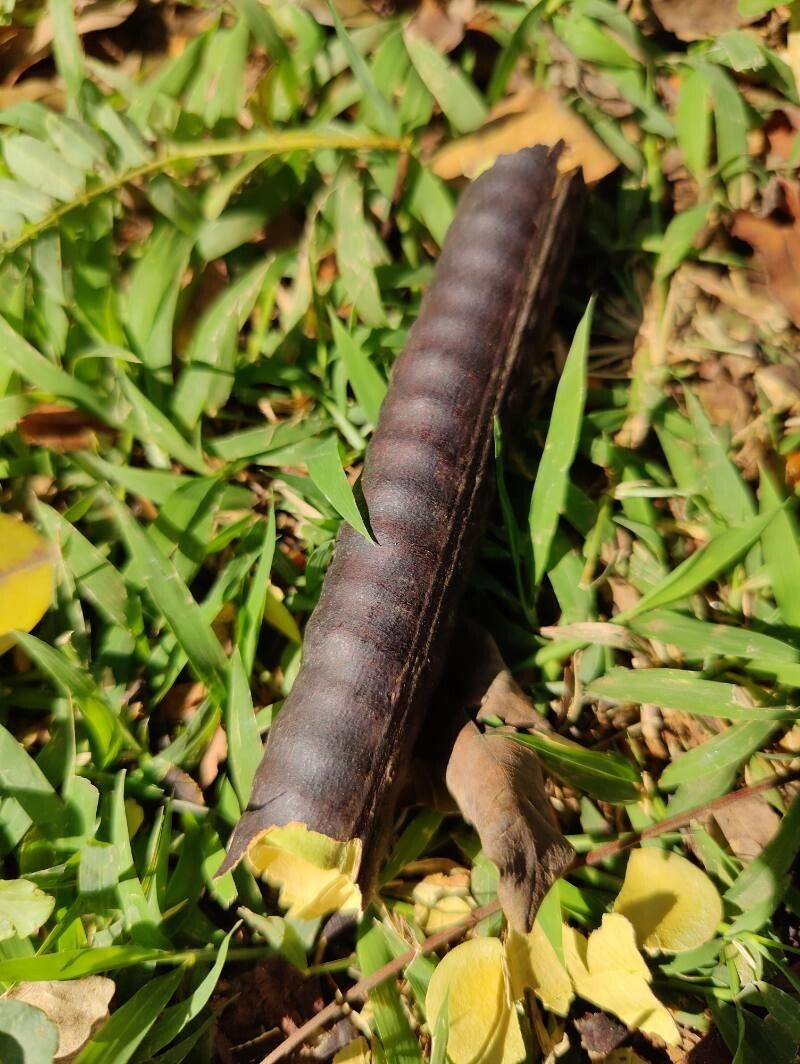
Hello fellow plant lovers! Today, we’re diving into the world of Calophyllum polyanthum, a truly stunning tree that brings a touch of the tropics right into our gardens. Its glossy, deep green leaves and fragrant, star-shaped white flowers are just gorgeous, aren’t they? And the real joy? You can multiply that beauty! Propagating Calophyllum polyanthum is a wonderfully rewarding process, a chance to nurture new life and share that lushness. For many gardeners, this might lean a little towards challenging, but with a bit of patience and the right approach, it’s absolutely achievable.
The Best Time to Start
Timing is everything in the garden, and for Calophyllum polyanthum, the prime time to try your hand at propagation is during its active growth period. Think late spring or early summer. This is when the plant is full of energy, pushing out new shoots, and prime for rooting. Trying to propagate during its dormant phase might result in slower success, or none at all.
Supplies You’ll Need
Before we get our hands dirty, let’s gather our tools. Having everything ready makes the whole process smoother.
- Sharp Pruning Shears or Knife: For clean cuts that heal well.
- Rooting Hormone: A good quality rooting powder or gel will significantly boost your success rate.
- Well-Draining Potting Mix: A blend of peat moss, perlite, and sand works wonders. You want something that holds moisture but doesn’t become waterlogged.
- Small Pots or Propagation Trays: Clean containers are crucial to prevent disease.
- Plastic Bag or Clear Dome: To create a mini-greenhouse effect.
- Watering Can with a Fine Rose: Gentle watering is key.
- Optional: Bottom Heat Mat: This can really speed up root development.
Propagation Methods
While Calophyllum polyanthum can be a bit particular, stem cuttings are generally the most successful route for home gardeners.
Stem Cuttings
- Select Your Cuttings: Look for healthy, semi-hardwood stems that are about 6-8 inches long. These are stems that have started to firm up but are still flexible. Avoid very soft, new growth or old, woody stems.
- Make the Cut: Using your sharp pruning shears, make a clean cut just below a leaf node (where a leaf attaches to the stem). This is where roots are most likely to form. Remove any flowers or flower buds from your cutting, as these take energy away from root development.
- Prepare the Cutting: Gently strip off the lower leaves, leaving just a few at the top. You can then dip the cut end into rooting hormone, tapping off any excess.
- Potting Them Up: Fill your clean pots with your prepared well-draining potting mix. Make a hole in the center with your finger or a dibber, and insert the cutting, ensuring the leaf nodes are buried. Gently firm the soil around the cutting.
- Create the Mini-Greenhouse: Water the soil gently until it’s evenly moist but not soggy. Then, cover the pot with a plastic bag (supported by stakes so it doesn’t touch the leaves) or place it inside a propagation tray with a clear dome. This will help maintain high humidity, which is vital.
- Provide the Right Environment: Place your pots in a warm spot with bright, indirect light. Avoid direct sunlight, which can scorch the delicate cuttings. If you’re using a bottom heat mat, position the pots on top of it.
The “Secret Sauce” (Pro Tips)
Here are a couple of things I’ve learned over the years that really make a difference.
- Don’t Let Leaves Touch the Water (if you choose any water-based revival): If you’re tempted to try a brief stint in water first (not my preferred method for this particular plant, but some do), ensure that none of the leaves are submerged. They’ll rot quickly, and you’ll have a slimy mess instead of a potential starter plant. Stick to the soil method for better results with this one.
- Mimic Nature with Humidity: That mini-greenhouse cover isn’t just for show. It’s about creating a humid environment that mimics what these plants love. Think of it like a steamy bathroom for your cuttings – essential for them to thrive before they’ve developed their own root system to draw up moisture.
Aftercare & Troubleshooting
Once your cuttings are potted, the waiting game begins! Check the moisture levels regularly and mist the foliage occasionally if the humidity seems to be dropping. You’re looking for signs of rooting, which usually means new leaf growth emerging from the tip. This can take anywhere from 4 to 12 weeks, so be patient!
The biggest enemy here is rot. If you see your cuttings turning black, mushy, or developing fuzzy mold, it’s usually a sign of too much moisture and not enough air circulation. Ensure your soil mix is free-draining and don’t overwater. If rot sets in, it’s often best to discard the affected cuttings and start again, perhaps with a slightly drier mix or improved ventilation. Yellowing leaves can sometimes just mean they’re adjusting, but if they fall off en masse with no new growth appearing, it might be a sign of insufficient light or too much stress.
A Encouraging Closing
Propagating plants is a journey, and Calophyllum polyanthum is a wonderful one to embark on. Don’t be discouraged if your first attempts aren’t perfect. Every cutting you take, every pot you fill, is a learning opportunity. Enjoy the process, observe your cuttings closely, and before you know it, you’ll have a beautiful new Calophyllum polyanthum to call your own. Happy gardening!
Resource: