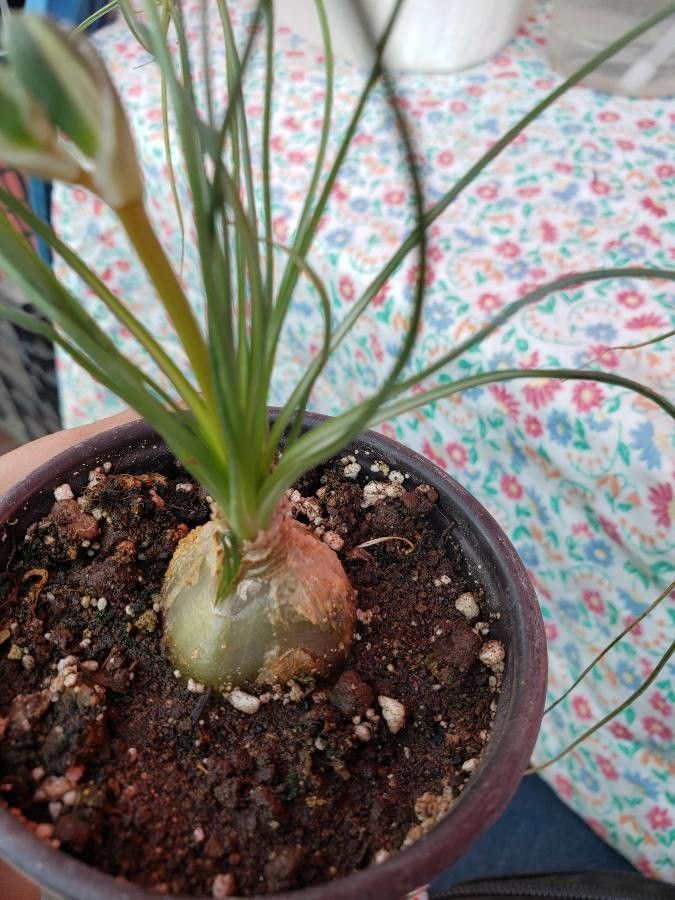
Hey there, fellow garden enthusiasts! I’m so excited to chat with you today about one of my absolute favorites: Albuca polyphylla. If you haven’t met this charmer, imagine a cascade of slender, silvery-green leaves, often adorned with delicate, bell-shaped flowers that unfurl to reveal a sweet, citrusy scent. It’s just captivating!
Propagating these beauties is a truly rewarding experience. It’s like unlocking a little bit of garden magic, creating new life from something you already cherish. Now, I won’t lie, Albuca polyphylla can be a tad particular. It’s not necessarily a beginner’s first foray into propagation, but with a little gentle guidance, you’ll be well on your way to success!
The Best Time to Start
When it comes to Albuca polyphylla, spring is your golden ticket. This is when the plant is really waking up after its dormancy, pushing out new growth and brimming with energy. Starting your propagation efforts in early to mid-spring gives the new cuttings plenty of time to establish before the heat of summer or the chill of winter sets in. You’re essentially catching it at its most robust.
Supplies You’ll Need
Gathering your supplies beforehand makes the whole process so much smoother. Here’s what I always have on hand:
- Sharp, clean pruning shears or a sterile knife: For making precise cuts.
- Well-draining potting mix: I love a mix of perlite, coarse sand, and a good quality potting soil. Think cactus/succulent mix, but I often add a bit more perlite for extra aeration.
- Small pots or trays: With drainage holes, of course!
- Rooting hormone (optional, but recommended): A powder or gel can give your cuttings a helpful boost.
- Spray bottle: For misting.
- Labels: So you don’t forget what you’ve planted!
- A warm spot: With bright, indirect light.
Propagation Methods
Albuca polyphylla is most commonly and successfully propagated through offsets or leaf cuttings. Let’s dive into how I do it.
Offsets (Bulblets)
This is arguably the easiest and most reliable method for Albuca polyphylla. If you’ve had your plant for a while, you’ll notice little baby bulbs, called offsets or bulblets, forming around the base of the main plant.
- Gently excavate: When the main plant is in its active growing season (spring, remember!), carefully unpot your Albuca. Gently brush away some of the soil from the base.
- Identify the offsets: You’ll see small, bulb-like structures attached to the mother plant.
- Carefully separate: Using your fingers or a small, clean tool, gently twist or cut away the offsets from the parent bulb. Make sure each offset has at least one little root or a tiny bulb at its base.
- Let them heal: It’s a good idea to let these offsets sit out in a dry, dappled spot for a day or two to allow the cut surface to callus over. This helps prevent rot.
- Plant them: Pot your offsets in your well-draining mix, burying them just deep enough so they are stable.
- Water sparingly: Give them a light watering and place them in a bright, but not scorching, location.
Leaf Cuttings (A Little More Patience Required)
This method requires a bit more finesse and a whole lot of patience, but it can be incredibly rewarding when you see those tiny new plants emerge.
- Select healthy leaves: Choose firm, healthy leaves from the parent plant.
- Make clean cuts: Using your sterile knife or shears, take a clean cut at the base of a leaf, just where it attaches to the bulb.
- Rooting hormone (optional): Dip the cut end into rooting hormone, tapping off any excess.
- Plant the leaves: Gently insert the cut end of each leaf into your well-draining potting mix. You want the bottom portion of the leaf to be snug in the soil.
- Provide consistent moisture: This is key. The soil should be kept lightly moist, not soggy. A good way to do this is to plant the leaves at a slight angle, so the cut end is in the soil, and a misting from your spray bottle will keep the exposed top of the leaf from drying out too quickly.
- Wait and watch: This is where patience comes in. It can take several weeks, sometimes even a couple of months, for roots and tiny new bulblets to form at the base of the leaf. Keep them in a warm place with bright, indirect light.
The “Secret Sauce” (Pro Tips)
Here are a couple of tricks I’ve picked up over the years that really seem to make a difference with Albuca polyphylla:
- Avoid letting the leaves touch standing water (for leaf cuttings): If you’re propagating via leaf cuttings and decide to try water propagation (which I find a bit trickier with these), make sure only the cut end of the leaf is in the water. Any part of the leaf tissue submerged is a prime invitation for rot. I generally stick to soil propagation myself for this reason.
- Bottom heat is your friend: Especially for leaf cuttings, a gentle warmth from below can really encourage root development. A seedling heat mat set on a low setting can do wonders. Just make sure the soil doesn’t dry out completely when using heat.
Aftercare & Troubleshooting
Once your offsets or leaf cuttings have developed roots and a small bulb (you’ll see them peeking out or feel a bit of resistance when you gently tug), they’re ready for a little more care.
- Gentle watering: Continue to water moderately, allowing the soil to dry out slightly between waterings. Overwatering is the quickest way to lose a new Albuca.
- Bright, indirect light: Keep them in a location that gets plenty of bright light but avoid direct, harsh sun, which can scorch delicate new growth.
- Watch for rot: The biggest enemy of Albuca propagation is rot. If you see a leaf turning mushy and black, or a bulb becoming soft and discolored, it’s likely rot. Act quickly by removing the affected piece and ensuring better air circulation and less moisture around the healthy parts. If an entire cutting is lost to rot, don’t despair; learn from it and try again with better drainage or less water next time.
A Little Patience Goes a Long Way
Propagating plants is an exercise in patience and observation. Don’t be discouraged if your first attempt isn’t perfect. Each plant, and each method, has its own rhythm. Celebrate the small victories – the first tiny root, the new sprout emerging from the soil. Enjoy the process of coaxing new life from your beloved Albuca polyphylla. Happy growing!
Resource:
https://identify.plantnet.org/k-world-flora/species/Albuca%20polyphylla%20Baker/data