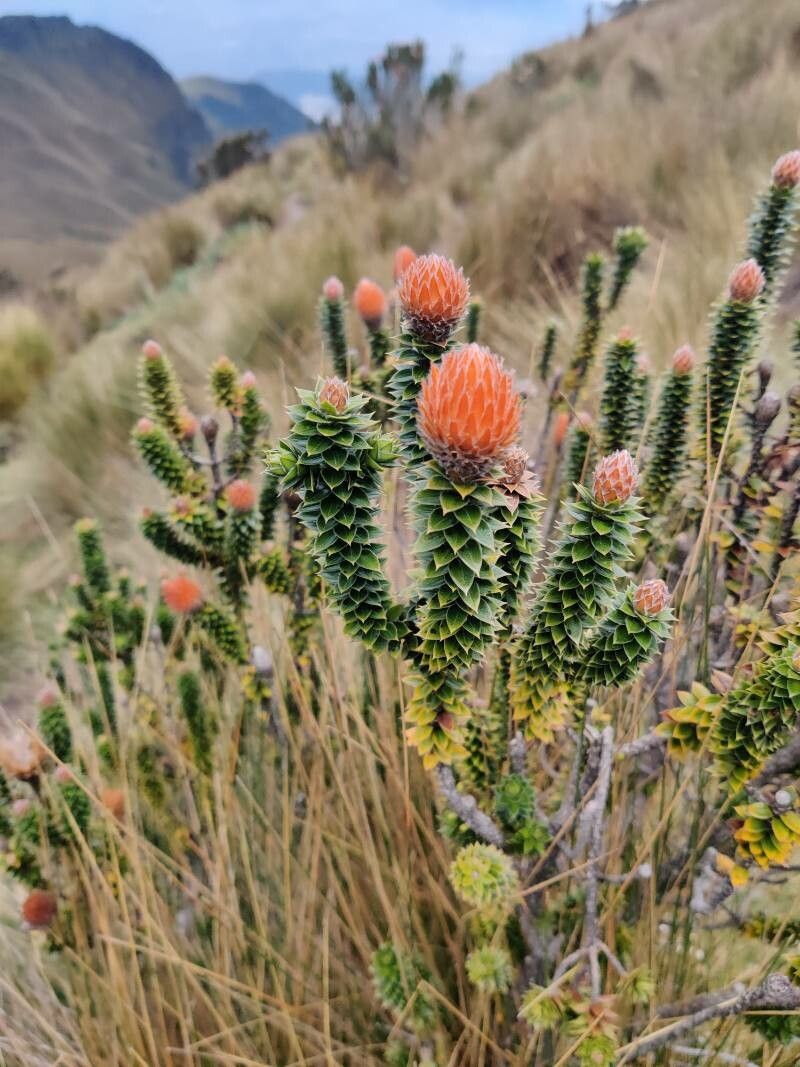
Oh, Chuquiraga jussieui! It’s one of those plants that just makes you smile. Those vibrant, tubular flowers are like little beacons of sunshine, aren’t they? And the way they attract hummingbirds is just pure magic. Growing them from seed can be a bit of a gamble, and frankly, they can be a little fussy for brand new gardeners. But propagating them from cuttings? That’s where the real joy is, and it’s absolutely doable with a little patience. It’s incredibly rewarding to see a little piece of that beauty flourish into a whole new plant.
The Best Time to Start
For Chuquiraga, late spring to early summer is your golden window. Think after the last frost, when the plant is actively growing and full of energy. You’ll want to look for healthy, new growth – stems that are still a bit green but have started to firm up, not the floppy new shoots or already woody old bits. That’s the sweet spot for taking cuttings.
Supplies You’ll Need
Here’s what you should gather:
- Sharp Pruning Shears or a Craft Knife: For clean cuts.
- Rooting Hormone: A powder or gel to help speed things up.
- Well-Draining Potting Mix: I like a blend of perlite, coco coir, and a little coarse sand. A cactus or succulent mix works well too.
- Small Pots or Seed Trays with Drainage Holes: For your cuttings to grow in.
- Clear Plastic Bag or Humidity Dome: To create a mini-greenhouse.
- Watering Can with a Fine Rose: For gentle watering.
- Optional: Bottom Heat Mat: For consistent warmth.
Propagation Methods: Stem Cuttings
This is my go-to method for Chuquiraga. It’s reliable and gives you the best chance of success.
- Take Your Cuttings: Gently select a healthy stem from your parent plant. Using your clean shears or knife, cut a section about 4-6 inches long. Make the cut just below a leaf node (where a leaf attaches to the stem).
- Prepare the Cuttings: Gently remove the lower leaves from the cutting, leaving just a few at the very top. This prevents them from rotting once you plant.
- Dip in Rooting Hormone: Dip the cut end of the stem into your rooting hormone, tapping off any excess.
- Pot Them Up: Fill your small pots with your well-draining potting mix. Make a small hole in the center of each pot with your finger or a pencil.
- Insert Cuttings: Carefully insert the hormone-coated end of the cutting into the hole, ensuring it’s firm enough to stand up. Gently firm the soil around the base of the cutting.
- Water Gently: Lightly water the soil until it’s moist but not waterlogged.
- Create a Humid Environment: Place a clear plastic bag over the pot, creating a mini-greenhouse, or use a humidity dome. If you’re using a bag, make sure the leaves don’t touch the plastic.
- Find a Good Spot: Place the pots in a bright location out of direct sunlight. Warmth is key, so consider a bottom heat mat if you have one – it makes a big difference!
The “Secret Sauce” (Pro Tips)
- Don’t Drench, Mist: Instead of watering heavily, mist the soil and the inside of your humidity dome daily. This keeps things consistently moist without waterlogging, which is a common pitfall.
- Patience is a Virtue (and a Necessity): Chuquiraga can be a bit slow to root. I’ve had cuttings take 6-8 weeks or even longer before I see any signs of new growth. Resist the urge to pull them up and check!
- A Little Fungicide Never Hurt: If you’re concerned about rot, a very light dusting of organic fungicide in your potting mix or a gentle dip of the cutting in it before the rooting hormone can offer extra protection.
Aftercare & Troubleshooting
Once you see new leaves emerging or feel a gentle tug when you very carefully try to lift a cutting, you know roots are forming!
- Gradual Acclimation: Slowly remove the plastic bag or humidity dome over a week or two. This helps the new plant adjust to normal humidity.
- Watering: Continue to keep the soil consistently moist but never soggy. As the plant grows, you can water it a bit more thoroughly, allowing the top inch of soil to dry out between waterings.
- Light: Gradually introduce your new Chuquiraga to more sunlight. They love a good amount of sun once established.
If you encounter problems, rot is the most common issue. This usually stems from overwatering or poor drainage. The cutting will turn black and mushy. If you see this, unfortunately, it’s best to discard it and try again with improved conditions.
So there you have it! Propagating Chuquiraga jussieui is a wonderful way to expand your collection and share the beauty of this remarkable plant. Be patient, keep an eye on those humidity levels, and before you know it, you’ll have a whole garden full of these delightful blooms. Happy gardening!
Resource:
https://identify.plantnet.org/k-world-flora/species/Chuquiraga%20jussieui%20J.F.Gmel./data