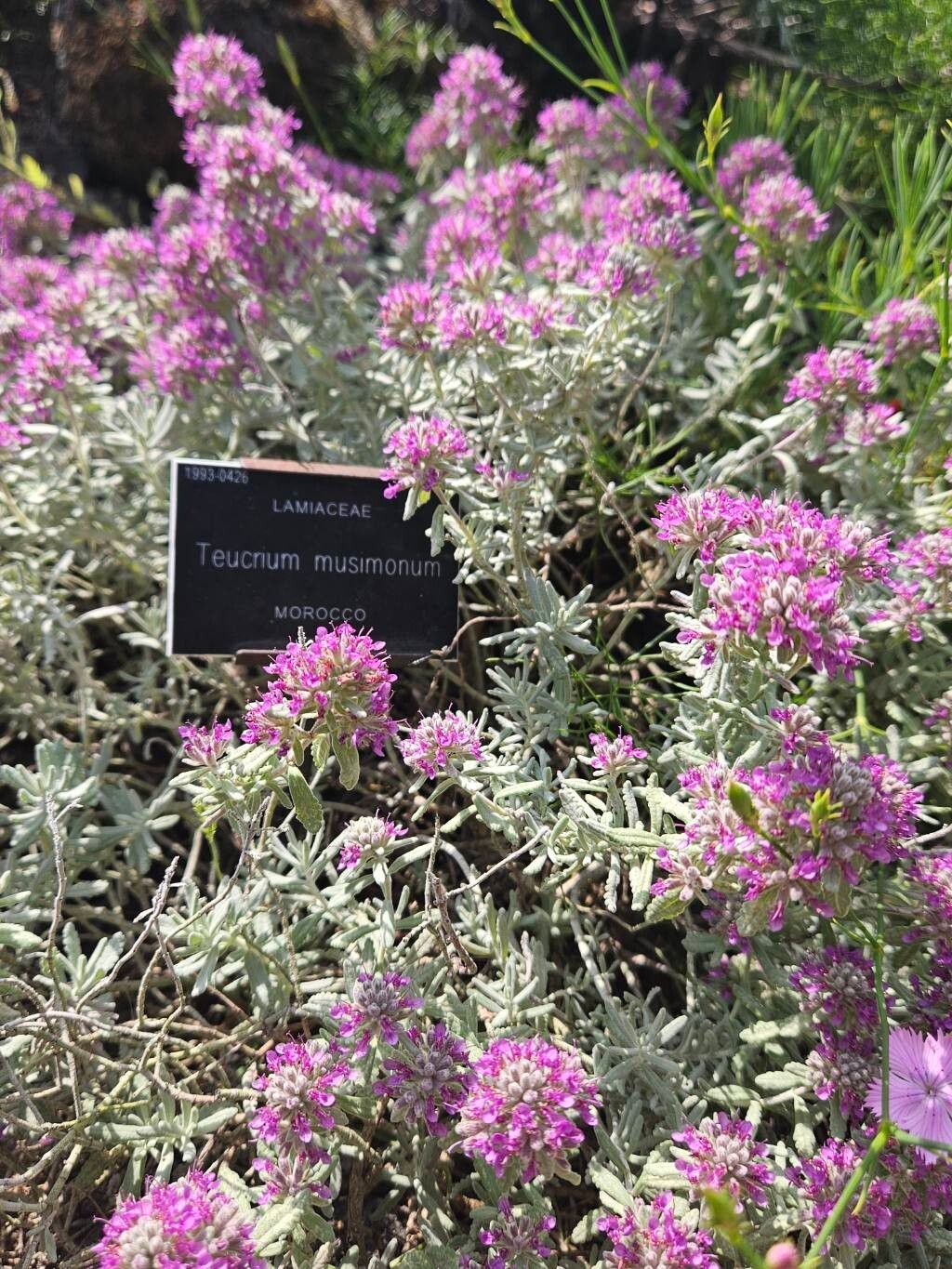
Oh, hello there! Come on in, grab a mug. Let’s chat about a little Mediterranean gem that’s captured my heart over the years: Teucrium musimonum, or as I affectionately call it, Corsican germander. This plant is just lovely, isn’t it? Its silvery foliage has this wonderful aromatic quality, and when it’s in bloom, those delicate purple flowers are a magnet for bees. I find propagating it immensely satisfying. It’s not a difficult plant to work with at all, so even if you’re just dipping your toes into the world of propagation, you’ll likely find success here.
The Best Time to Start
For Teucrium musimonum, my favorite time to get cuttings is in late spring to early summer. This is when the plant is actively growing, and the stems are semi-hardwood. They have a bit of resilience but haven’t become completely woody yet, which makes them ideal for rooting. You want to look for stems that have just finished flowering or are starting to flower.
Supplies You’ll Need
Here’s what I usually gather before I start:
- Sharp, clean pruning shears or a sharp knife: This is crucial! Dirty tools can introduce disease.
- Rooting hormone powder or gel: While not strictly mandatory, it gives your cuttings a significant boost.
- A well-draining potting mix: I like to use a 50/50 blend of perlite and seed starting mix. This ensures good aeration and prevents sogginess. Avoid heavy garden soil.
- Small pots or trays: Terracotta pots are excellent because they breathe, but plastic ones work too.
- A watering can with a fine rose attachment or a spray bottle: For gentle watering.
- A plastic bag or a propagator lid: To create a humid environment for your cuttings.
Propagation Methods
I primarily use stem cuttings for Teucrium musimonum. It’s tried and true!
- Take Your Cuttings: Head out to your plant with your clean shears. Look for healthy, non-flowering shoots that are about 3-6 inches long. Make a clean cut just below a leaf node (that little bump where a leaf attaches to the stem). Remove the lower leaves, leaving just a few at the top.
- Prepare the Cuttings: Dip the cut end of each stem into your rooting hormone. Tap off any excess. My trick is to dip the cutting into the hormone, then into a tiny bit of water first – it helps the hormone stick better.
- Plant Your Cuttings: Fill your small pots with your prepared potting mix. Make a small hole with a pencil or your finger, and gently insert the cutting, ensuring the bottom leaf nodes are buried in the soil. Firm the soil gently around the stem.
- Water and Cover: Water the soil lightly so it’s moist but not waterlogged. Then, cover the pot with a transparent plastic bag or a propagator lid. This creates a mini-greenhouse, keeping the humidity high, which is vital for cuttings to root.
The “Secret Sauce” (Pro Tips)
- Don’t let those leaves touch the water (if you were to try water propagation, which I don’t find as successful for this one): This is a general rule, but it’s extra important. Any foliage submerged in water will just rot, and you don’t want that leading to trouble.
- Bottom Heat is Your Friend: If you have a heat mat, placing your pots on it can really speed up rooting. It mimics the warmth of summer soil and encourages those roots to develop more quickly. I’ve found it makes a noticeable difference.
- Patience, Young Grasshopper: Sometimes, you think a cutting has failed, only to discover tiny roots have formed weeks later. Don’t be too quick to discard them! Keep them in their humid environment and check periodically.
Aftercare & Troubleshooting
Once you start seeing signs of new growth (little leaves popping out!) or feel a gentle tug when you very gently try to pull on a cutting, it means roots have formed. At this point, gradually acclimate your new plant to drier air. Start by opening the plastic bag or propagator lid for a few hours each day, increasing the time over a week or so. Once they seem happy, you can remove the cover entirely.
The main thing to watch out for is rot. If your cuttings turn black and mushy at the base, it’s usually a sign of too much moisture and not enough air circulation. This is where that well-draining soil mix is so incredibly important. If you see a cutting looking sad and limp, check the soil moisture. It might be too dry, or conversely, if it’s mushy, it’s likely too wet.
A Encouraging Closing
So there you have it! Propagating Teucrium musimonum is a straightforward and rewarding way to multiply your enjoyment of this lovely plant. Don’t get discouraged if your first few attempts aren’t perfect. Gardening is all about learning and observing. Just keep trying, enjoy the process of nurturing new life, and soon you’ll have little Corsican germander babies to share or plant out. Happy gardening!
Resource:
https://identify.plantnet.org/k-world-flora/species/Teucrium%20musimonum%20Humbert%20ex%20Maire/data