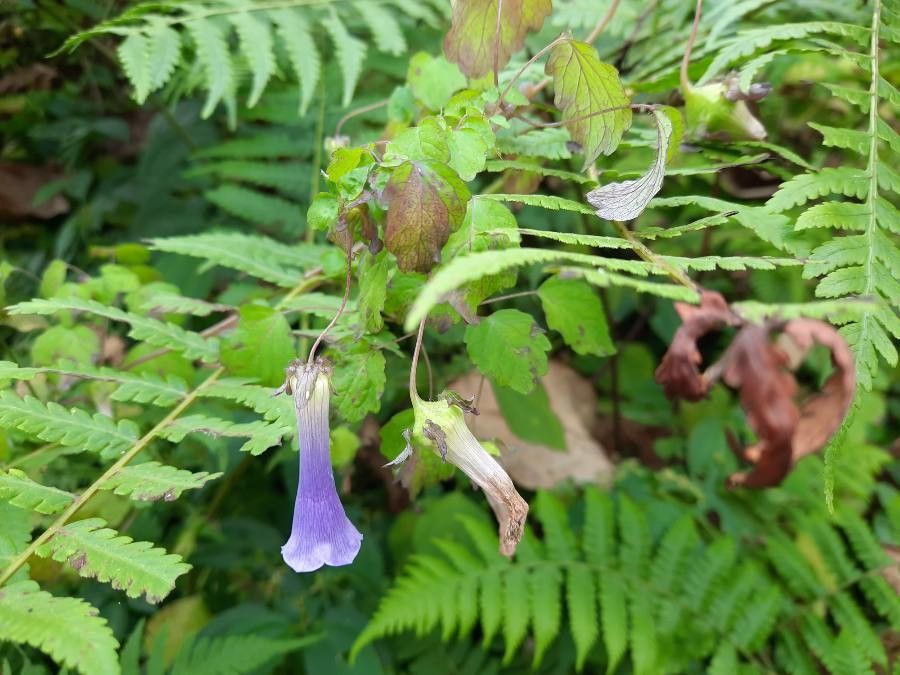
Hello there, fellow plant lovers! You know, there’s a special kind of magic in coaxing a new life from a beloved plant. And today, we’re going to talk about one of my personal favorites: Codonopsis gracilis. Its delicate, bell-shaped flowers are simply charming, and watching those tiny sprouts emerge is a thrill I never get tired of.
If you have a mature Codonopsis gracilis plant, you’ve likely admired its graceful vines and lovely blooms. Propagating it means you can share this beauty with friends, fill more spaces in your garden, or simply enjoy the satisfaction of growing more from your own specimen. Now, is it an easy plant to propagate? I’d say it’s moderately easy, especially if you follow a few key steps. It requires a bit of attention, but the rewards are absolutely worth it!
The Best Time to Start
For the highest success rate with Codonopsis gracilis, late spring or early summer is your sweet spot. This is when the plant is actively growing and has plenty of energy to dedicate to root development. You’ll want to look for young, vigorous growth – stems that are flexible but not too soft and floppy. Avoid taking cuttings from woody or stressed-looking stems.
Supplies You’ll Need
Gathering your supplies beforehand makes the whole process much smoother. Here’s what I always have on hand:
- Sharp, clean pruning shears or a sharp knife: This is crucial for making clean cuts, which helps prevent disease.
- Seed-starting mix or a light, well-draining potting mix: I often mix equal parts perlite and peat moss for excellent drainage.
- Small pots or seedling trays: Clean ones, of course!
- Rooting hormone (optional, but helpful): A powdered form works well for me.
- Plastic bags or a clear propagation dome: To create a humid environment.
- Water: Just good old tap water is fine.
- Labels and a permanent marker: So you don’t forget what’s what!
Propagation Methods
I find that stem cuttings are the most reliable way to propagate Codonopsis gracilis. It’s straightforward and often yields great results.
- Take Your Cuttings: Choose a healthy stem from your mature plant. Using your sharp shears, make a cut just below a leaf node (where a leaf meets the stem). You want cuttings that are about 4-6 inches long. Remove the lower leaves, leaving just a couple at the top.
- Prepare the Cuttings: If you’re using rooting hormone, dip the cut end of the stem into the powder, tapping off any excess. This step encourages faster and stronger root development, but your cuttings will often root without it.
- Plant Your Cuttings: Fill your small pots or trays with your prepared soil mix. Gently make a small hole in the center of the soil with your finger or a pencil. Insert the prepared cutting into the hole, making sure the leaf nodes you removed are below the soil surface. The leaves at the top should be well above the soil.
- Water and Cover: Water the soil gently but thoroughly, allowing excess water to drain. This is important! You don’t want soggy soil. Then, cover the pots with a clear plastic bag or a propagation dome. This creates a mini-greenhouse, keeping the humidity high, which is essential for cuttings to root.
The “Secret Sauce” (Pro Tips)
Over the years, I’ve learned a few little tricks that seem to make all the difference:
- Bottom Heat is Your Friend: If you have a heat mat designed for seedlings, place your pots on it. Warm soil encourages faster root growth. Don’t underestimate the power of gentle warmth from below!
- Air Circulation Matters: While you need humidity, you also need to prevent mold. Once a day, lift the plastic bag or open the dome for a few minutes to let fresh air in. This “breathing room” is crucial.
- Patience, Young Padawan: Seriously, don’t get discouraged if you don’t see roots overnight. Codonopsis gracilis can be a bit slow to establish. Give them at least 4-6 weeks before you start gently tugging on them to check for resistance (a sign of roots!).
Aftercare & Troubleshooting
Once you see new growth emerging from the top of your cutting, that’s usually a good sign that roots have formed! You can gradually acclimate your new plant to less humid conditions by slowly opening the bag or dome over a week. Continue to keep the soil consistently moist but not waterlogged.
The most common problem you’ll encounter is rot. This usually happens if the soil stays too wet or there isn’t enough air circulation. If you notice your cutting turning mushy or blackening, it’s likely a sign of rot, and sadly, it’s usually time to start over. Good drainage is your best defense against this!
A Heartfelt Closing
Propagating Codonopsis gracilis is a wonderfully rewarding endeavor. It’s a chance to connect with nature on a deeper level, and to nurture new life from something you already cherish. Be patient, observe your cuttings, and don’t be afraid to experiment. Enjoy the journey, and happy growing!
Resource: