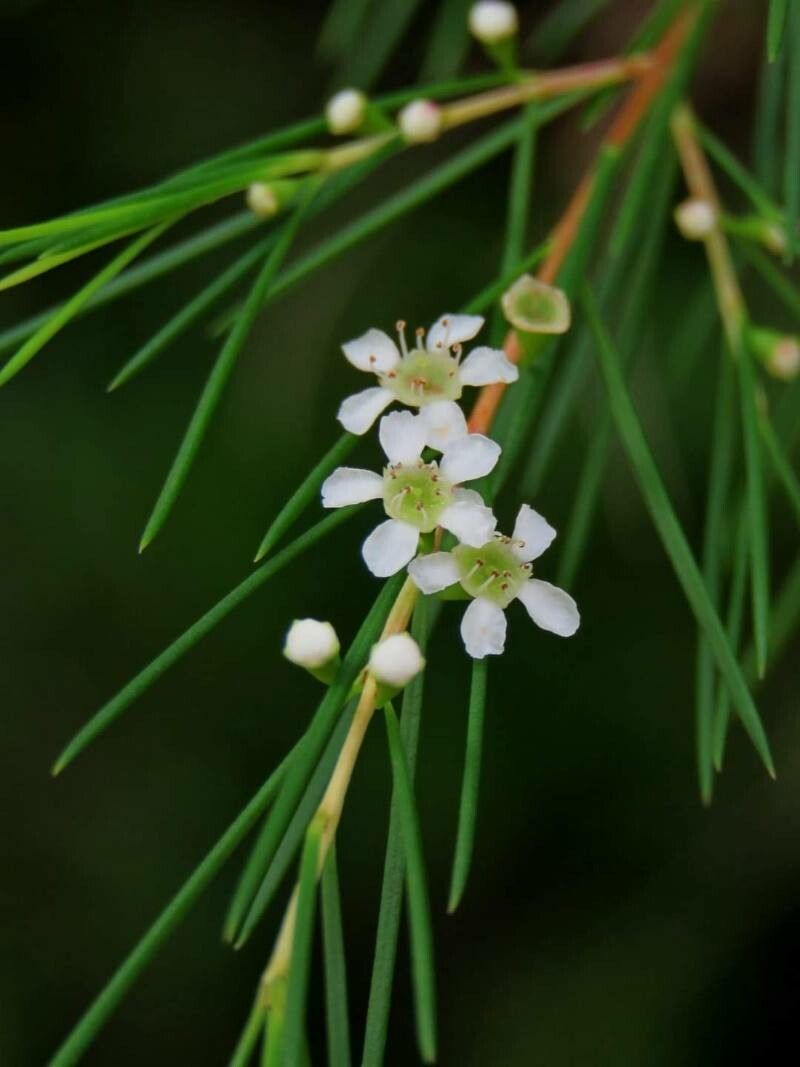
Hello there, fellow garden enthusiasts! Today, we’re diving into the delightful world of Baeckea linifolia, or the Dwarf Baeckea. This little gem, with its delicate white flowers that resemble tiny stars and its fine, needle-like foliage, brings a whisper of elegance to any garden. Watching a new plant emerge from a tiny piece of the parent is one of the most satisfying experiences for any gardener, and trust me, propagating Baeckea linifolia is a journey well worth embarking on. For beginners, it’s a wonderfully accessible plant to start with.
When the Magic Happens: The Best Time to Start
The sweet spot for propagating Baeckea linifolia is definitely in the late spring to early summer. This is when the plant is actively growing, and its stems are young and pliable. You’ll want to choose new growth that has started to mature a bit – not the super soft, floppy tips, but stems that have a bit of firmness to them. This provides the best balance of flexibility and vigor for successful rooting.
Your Propagation Toolkit
Gathering your supplies beforehand makes the whole process smoother. Here’s what you’ll want to have on hand:
- Sharp, clean pruning shears or a sharp knife: Crucial for making clean cuts to prevent damage.
- Rooting hormone: While not strictly essential for Baeckea linifolia, a good rooting powder can give your cuttings an extra nudge.
- A well-draining potting mix: I like a blend of equal parts perlite, coarse sand, and peat moss or coir. This ensures excellent aeration.
- Small pots or seed trays: Clean pots are key to preventing disease.
- A spray bottle: For misting.
- A clear plastic bag or a propagator lid: To create a humid environment.
- Labels: Because trust me, you’ll forget what you planted and where!
Bringing Forth New Life: Propagation Methods
For Baeckea linifolia, stem cuttings are your go-to method. It’s straightforward and highly effective.
- The Harvest: Using your clean secateurs or knife, take cuttings of about 10-15 cm (4-6 inches) from healthy, non-flowering stems. Make your cut just below a leaf node (where the leaves grow from the stem).
- Prepare the Cutting: Gently remove the lower leaves from the bottom half of the cutting. This prevents them from rotting when you pot them up. Leave a few sets of leaves at the top.
- The Rooting Hormone Dip: If you’re using rooting hormone, dip the cut end of the stem into the powder. Tap off any excess.
- Potting Up: Fill your small pots with your prepared, moistened potting mix. Make a hole in the center with your finger or a pencil.
- Planting Your Cuttings: Insert the prepared cuttings into the holes, ensuring the leaf nodes are covered by soil. Firm the soil gently around the stems. You can usually fit several cuttings in one pot.
- Create a Humid Haven: Water the pots gently. Then, place them inside a clear plastic bag, sealing it loosely, or cover them with a propagator lid. This traps humidity, which is vital for cuttings to develop roots before they can take up water through their own root system. Place the pots in a bright spot, but out of direct sunlight.
The “Secret Sauce”: Insider Tips from My Garden
Having gardened for a while, I’ve learned a few tricks that can really make a difference.
- Bottom Warmth is Wonderful: If you have a heat mat designed for propagation, place your pots on it. This gentle warmth from below encourages root development significantly, especially when the air temperature might be cooler. It’s like a cozy heated blanket for your cuttings.
- Don’t Drown Them, Mince Them!: When you pot up your cuttings, resist the urge to overwater. The soil should be consistently moist, not waterlogged. Too much water is a fast track to rot for tender cuttings.
- Air Your Cuttings Daily: For the first week or two, it’s good practice to open the plastic bag or propagator lid for a few minutes each day. This allows for fresh air circulation, helping to prevent fungal issues and encouraging the cuttings to adapt to slightly lower humidity over time.
Nurturing Your New Arrivals and What to Do If Things Go Wrong
Once you start to see new leaf growth or feel resistance when you gently tug on a cutting, that’s a great sign roots have formed!
Aftercare:
- Acclimatize Gradually: Once roots are well established, begin to gradually introduce your new plants to lower humidity. You can do this by opening the bag or propagator lid for longer periods each day, eventually removing it altogether once they seem comfortable.
- Watering: Water them as you would any young plant – keep the soil consistently moist but not soggy.
- Feeding: Wait a few weeks after they’ve settled in and started actively growing before giving them a very dilute liquid feed.
- Repotting: When your young plants have outgrown their initial pots, carefully repot them into slightly larger containers with fresh, good-quality potting mix.
Troubleshooting:
- Shriveling: If your cuttings shrivel, it’s usually a sign of too much drying out. Ensure your humidity dome is effective and the soil remains moist.
- Rotting: This is the most common problem and is almost always caused by overwatering and poor drainage. If a cutting turns black and mushy, it’s unfortunately lost. Remove it immediately to prevent the rot from spreading. Clean your tools and pot thoroughly.
- No Growth: Patience is key! Some cuttings can take weeks or even months to show signs of rooting, especially if conditions aren’t ideal.
Happy Propagating!
So there you have it – a little guide to bringing more of that lovely Baeckea linifolia magic into your life. Don’t be discouraged if your first few attempts aren’t 100% successful. Gardening is a learning process, and each try teaches you something new. Enjoy the quiet satisfaction of nurturing something from a tiny cutting, and you’ll soon be rewarded with beautiful new plants to share or plant out. Happy growing!
Resource:
https://identify.plantnet.org/k-world-flora/species/Baeckea%20linifolia%20Rudge/data