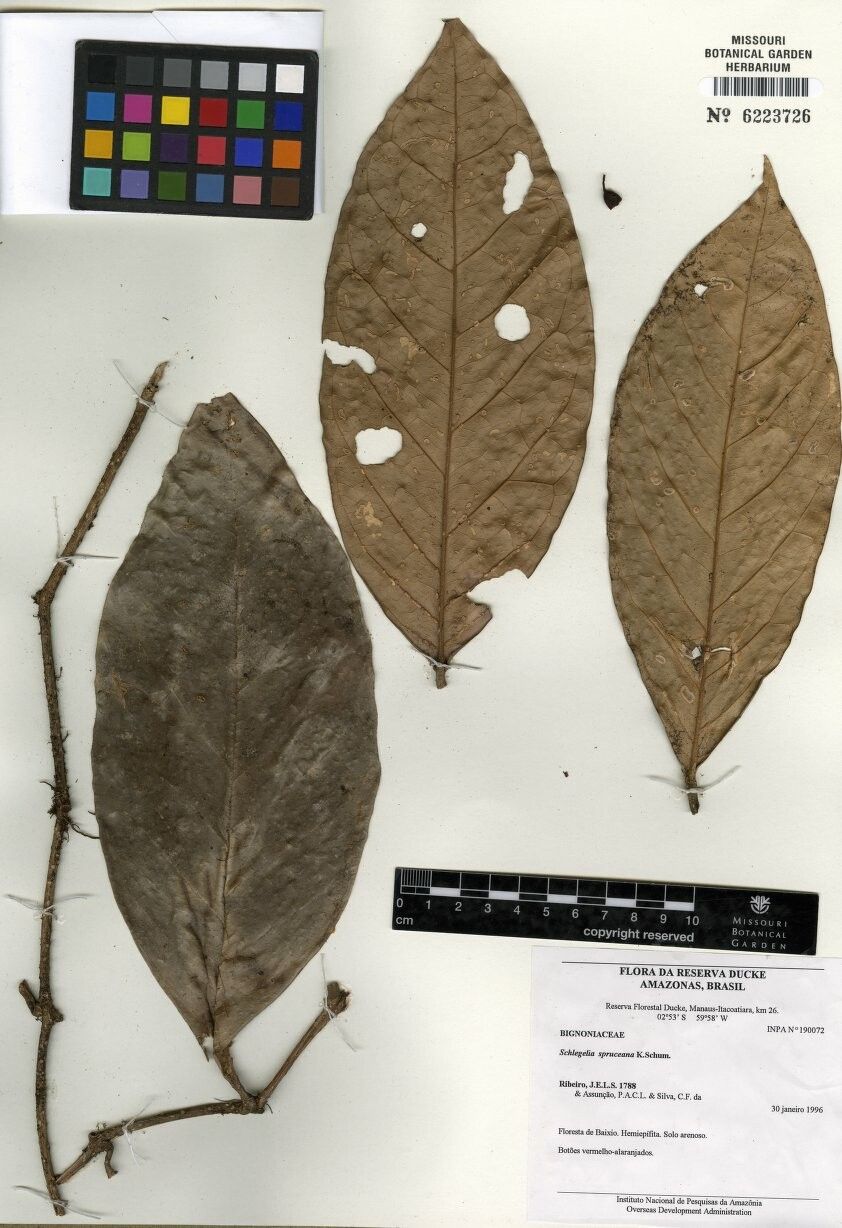
Oh, hello there! Come on in, grab a mug. Let’s chat about a real gem I’ve come to adore: Schlegelia spruceana. If you’re looking for a splash of vibrant color and a beautiful, often hummingbird-attracting bloom, you’re in for a treat. Their trumpet-shaped flowers, usually in shades of bright pink or red, are simply stunning. And the best part? Sharing this beauty is incredibly rewarding! Propagating them is a wonderful way to fill your garden, give gifts, or even start a few for friends. Now, is it a walk in the park for absolute beginners? I’d say it’s moderately easy – a little patience goes a long way, but the rewards are definitely worth the effort.
The Best Time to Start
For Schlegelia spruceana, the sweet spot for propagation is typically in late spring or early summer. This is when the plant is actively growing and has plenty of healthy, semi-hardwood stems available. You want to avoid taking cuttings from brand new, soft green growth, as these are more prone to wilting. Think of it as grabbing a stem that’s just starting to firm up but isn’t rock hard. This gives us the best chance for those cuttings to root successfully.
Supplies You’ll Need
Before we dive in, let’s gather our tools. A well-prepared gardener is a successful one!
- Sharp Pruning Shears or a Knife: Clean cuts are crucial for healthy beginnings.
- Rooting Hormone: While not always strictly necessary, it can give your cuttings a significant boost. Look for one formulated for softwood or semi-hardwood cuttings.
- A Well-Draining Potting Mix: I like to use a blend of equal parts perlite and peat moss or a good quality seed-starting mix. This prevents waterlogging, which is a common enemy.
- Small Pots or Propagation Trays: Clean pots or trays are essential to prevent disease.
- Plastic Bags or a Clear Dome: To create a humid environment for your cuttings.
- Watering Can with a Fine Rose: For gentle watering.
- Optional: A Small Heating Mat: This can really speed up rooting, especially if your home is on the cooler side.
Propagation Methods
Let’s get our hands dirty! I find the most reliable method for Schlegelia spruceana is through stem cuttings.
- Take Your Cuttings: On a bright, but not scorching, morning, select healthy stems that are the right stage of growth (semi-hardwood). Using your clean pruning shears, take cuttings that are about 4-6 inches long. Make your cut just below a leaf node, which is where roots are most likely to form.
- Prepare the Cuttings: Gently remove the leaves from the bottom half to two-thirds of the stem. You want to leave just a couple of leaves at the very top to help with photosynthesis. If your leaves are large, you can even cut them in half horizontally to reduce water loss.
- Apply Rooting Hormone (Optional but Recommended): Dip the cut end of each stem firmly into your rooting hormone powder. Tap off any excess. This little step can make a big difference!
- Plant Your Cuttings: Make small holes in your prepared potting mix with a pencil or your finger. Gently insert the hormone-coated end of each cutting into the hole, ensuring the lowest leaf nodes are buried. Firm the soil around them gently.
- Water Gently: Water the pots thoroughly but gently until water drains from the bottom.
- Create Humidity: Place the pots inside a clear plastic bag – you can often just slip a bag over the pot and secure it loosely around the base. Alternatively, use a propagation dome. Make sure the leaves aren’t touching the sides of the bag if possible.
- Find a Bright Spot: Place your new cuttings in a bright location, but out of direct sunlight. A north-facing window is often perfect. This prevents them from drying out too quickly.
The “Secret Sauce” (Pro Tips)
Here are a few little tricks that have helped me over the years:
- Bottom Heat is Your Friend: If you have a heating mat, place your pots on it. This gentle warmth encourages root development from below, which is incredibly effective. You’ll often see roots forming much faster!
- Don’t Let the Leaves Touch the Water: When you’re propagating in water (though I find stem cuttings in soil more reliable for this plant), ensure the leaves are well above the water level. Any submerged foliage will rot, and that can take down your entire cutting.
- Be Patient with Watering: Once your cuttings are planted, resist the urge to overwater them. Feel the soil. If the top inch feels dry, it’s time to water gently. Overwatering is the quickest way to introduce fungal issues.
Aftercare & Troubleshooting
Once you start seeing little white roots peeking out from the drainage holes, or if your cuttings show signs of new growth, that’s fantastic news! This usually takes anywhere from 4-8 weeks, sometimes longer.
- Gradual Acclimation: Slowly begin to acclimate your new plants to the outside air by opening the plastic bag or dome for longer periods each day over a week. This helps them adjust and prevents shock.
- Potting Up: Once they have a good root system, you can gently pot them into individual, slightly larger pots using a good quality, well-draining potting mix.
- Watering and Light: Continue to keep them consistently moist but not waterlogged. They’ll still appreciate bright, indirect light.
Now, what if things go wrong? The most common culprit is rot. If your cuttings turn black and mushy at the base, or if leaves yellow and drop rapidly, it’s usually a sign of too much moisture and poor air circulation. If you see any signs of rot, it’s often best to discard the affected cutting to prevent it from spreading. Don’t be discouraged by this; it happens to the best of us! Learn from it and try again.
A Warm Closing
There you have it! Propagating Schlegelia spruceana is a simple joy, a way to multiply beauty and connect with your garden in a deeper way. Remember to be patient, observe your cuttings closely, and celebrate every little sign of success. Gardening is a journey, and each new plant you nurture is a testament to that beautiful process. Happy growing!
Resource:
https://identify.plantnet.org/k-world-flora/species/Schlegelia%20spruceana%20K.Schum./data