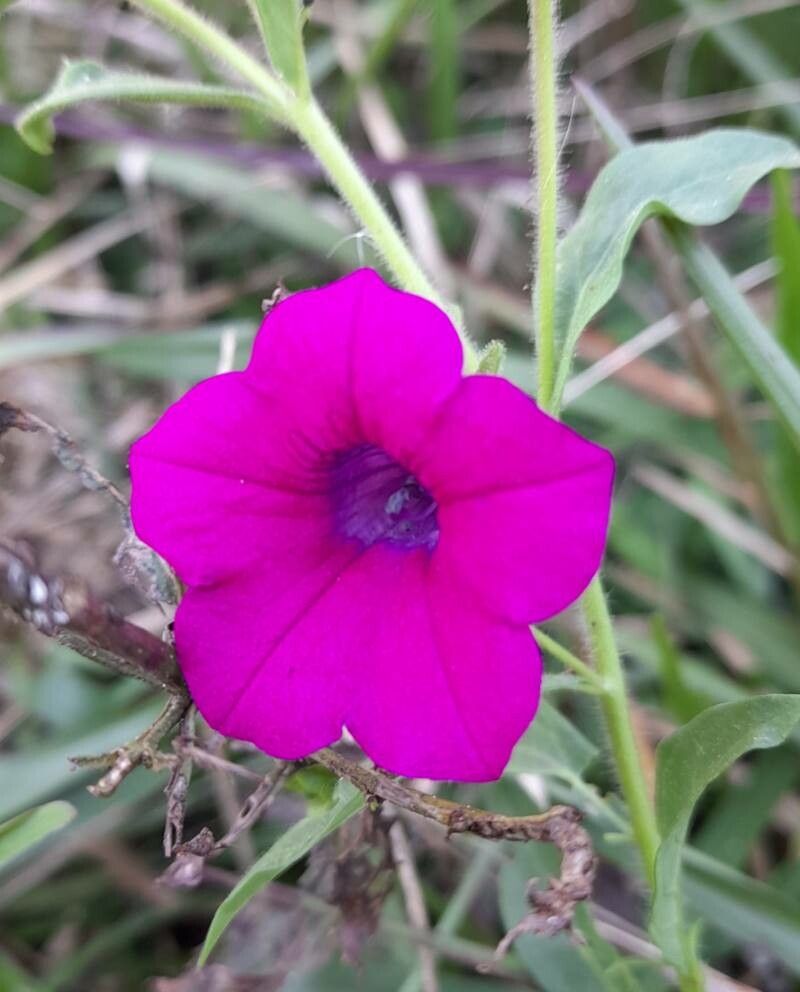
Oh, petunias! Who can resist those cheerful blooms, spilling over pots and brightening up every corner of the garden? Whether you adore their vibrant colors or delicate pastels, there’s a petunia out there for everyone. And the best part? You can easily multiply your petunia collection without hitting the garden center! Propagating them is a truly rewarding experience, letting you fill your yard with even more of these beauty queens. If you’re new to gardening, I think you’ll find petunias to be a wonderfully welcoming plant to start with. They’re generally quite forgiving!
The Best Time to Start
For the absolute highest success rate, I like to begin propagating petunias in late spring or early summer. This is when the plants are actively growing and have plenty of energy to put into forming new roots. You want to be snipping from healthy, vigorous stems that haven’t flowered yet, or from stems where the flowers have recently faded. Aim for tips that have at least two or three sets of leaves.
Supplies You’ll Need
Gathering your tools before you start makes the whole process smoother. Here’s what I usually have on hand:
- Sharp pruning shears or scissors: Cleanliness is key here!
- Rooting hormone (optional but recommended): This little booster really helps cuttings develop roots faster.
- Seed starting mix or a well-draining potting mix: A light, airy mix is best. I often use a blend of peat moss and perlite.
- Small pots or trays: Clean ones, please!
- Plastic bags or a clear dome: To create a humid environment for your cuttings.
- Watering can with a fine rose or a spray bottle: Gentle watering is a must.
- Labels: So you know what’s what!
Propagation Methods
Petunias are wonderfully versatile, and I’ve had great success with a couple of methods.
Stem Cuttings
This is my go-to method for petunias.
- First, select a healthy, non-flowering stem from your mature petunia. You’re looking for a stem that’s about 3-4 inches long.
- Carefully snip the stem just below a leaf node (where a leaf meets the stem). Remove the bottom two sets of leaves. You can leave the top two sets, or even trim them in half if they’re very large.
- If you’re using rooting hormone, dip the cut end into the powder. Tap off any excess.
- Gently insert the cutting into your prepared potting mix. Make sure the remaining leaves aren’t touching the soil.
- Water gently to settle the soil around the cutting.
- Cover the pot with a plastic bag or a clear dome to keep the humidity high. You can poke a few holes in the bag or prop it open slightly to allow for some air circulation.
- Place the pot in a bright spot with indirect light. Avoid direct sun, which can scorch the delicate cuttings.
Water Propagation
This method is super satisfying to watch!
- Take your stem cuttings just like you would for the soil method.
- Remove all the leaves from the bottom half of the cutting.
- Place the cuttings in a small jar or glass of clean water. I like to use filtered water if possible.
- Ensure no leaves are submerged in the water. This is crucial! Submerged leaves will rot, which can kill your cutting. If necessary, trim off more leaves.
- Place the jar in a bright location away from direct sunlight.
- Change the water every few days to keep it fresh.
The “Secret Sauce” (Pro Tips)
Over the years, I’ve learned a few little tricks that just seem to nudge things along.
- Bottom Heat is Your Friend: If you’re really serious about speeding up root development, especially with stem cuttings, consider placing your pots on a gentle seedling heat mat. This subtle warmth mimics spring soil and can make a world of difference.
- Don’t Overwater! It’s tempting to keep those cuttings moist, but soggy soil is an invitation to rot. Let the surface of the soil dry out slightly between waterings. You’ll get a feel for it!
- Patience with the Water Method: When propagating in water, you might be tempted to transplant too soon. Wait until you see a good network of roots, at least an inch or two long, before moving them to soil.
Aftercare & Troubleshooting
Once you see those little roots appearing (you can gently tug on a cutting – if there’s resistance, you’ve got roots!), it’s time to transition. For cuttings started in water, carefully pot them up into well-draining potting mix. For those started in soil, you can gradually remove the humidity cover over a few days to acclimate them to drier air. Continue to provide bright, indirect light and water when the top inch of soil feels dry.
Now, what if things go wrong? The most common culprit is rot. If your cuttings turn black and mushy, that’s usually a sign of too much moisture and/or not enough air circulation. If you see this, try to salvage any healthy parts and start again, paying close attention to watering and airflow. Yellowing leaves can sometimes indicate they need a little more light, or perhaps a very dilute dose of liquid fertilizer once they’ve established.
A Encouraging Closing
Growing new petunias from your favorite plants is such a satisfying journey. Don’t get discouraged if your first few attempts aren’t perfect. Gardening is all about learning and growing, just like your plants! Be patient, observe your cuttings, and celebrate every new root and leaf. Happy propagating!
Resource:
https://identify.plantnet.org/k-world-flora/species/Petunia%20interior%20T.Ando%20&%20Hashim./data