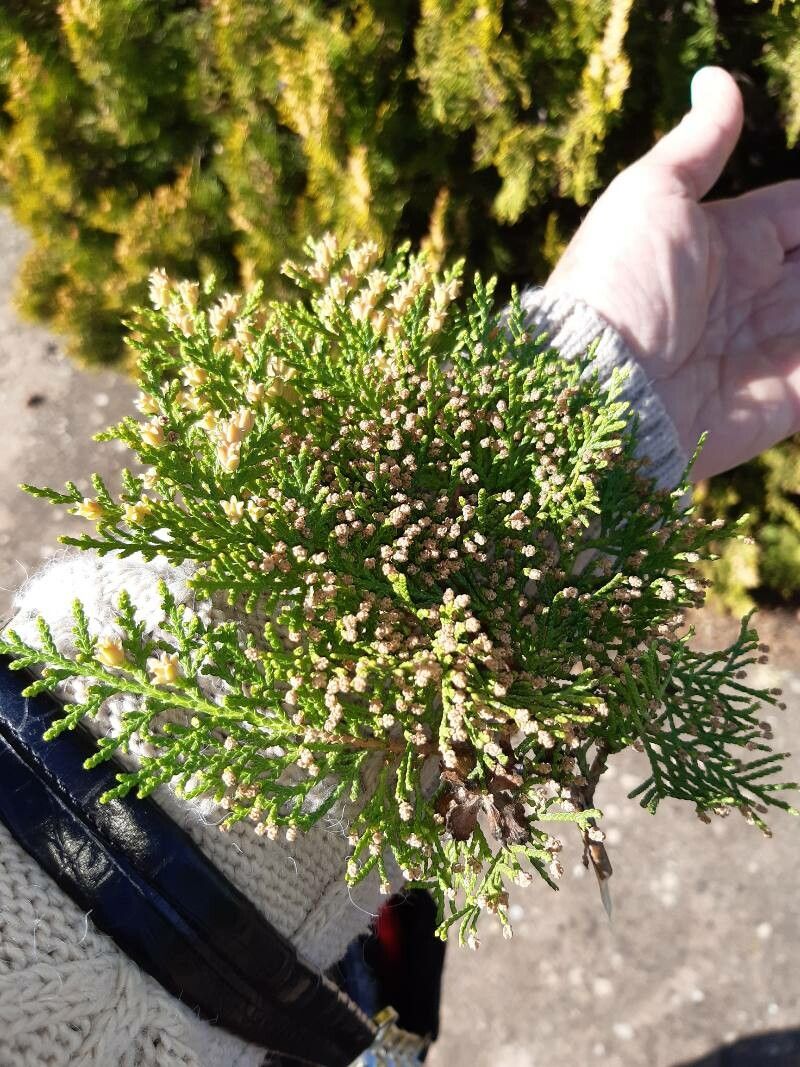
Hello there, fellow garden enthusiasts! Today, I want to chat about a plant that has really captured my heart over the years – Olearia teretifolia, often called Daisy Bush or, more poetically, the ‘Bushy Daisy’. If you’re looking for a tough, charming native that bursts into a cloud of delicate white flowers, you’re in for a treat. And the best part? Propagating it is a wonderfully rewarding endeavor, even for those just dipping their toes into the plant propagation pool. It’s quite forgiving, which makes it a fabulous choice for beginners!
The Best Time to Start
For Olearia teretifolia, I’ve found that mid-spring to early summer is absolutely prime time. This is when the plant is actively growing, and those new, semi-hardened stems have the best chance of rooting. Think of it as capturing that youthful exuberance for your new plants.
Supplies You’ll Need
Gathering your supplies beforehand makes the whole process so much smoother. Here’s what I always have on hand:
- Sharp pruning shears or a clean knife: For making clean cuts. Don’t be tempted to use dull ones – you’ll just bruise the stems.
- Rooting hormone: While not strictly essential for Olearia, a little dip can give your cuttings a significant boost. I prefer the powder form.
- A suitable potting mix: A well-draining mix is key. I usually go for a blend of equal parts perlite and peat moss, or a good quality seed-starting mix.
- Small pots or trays: Clean pots are a must to prevent disease.
- Plastic bags or a propagator lid: To create a humid environment for your cuttings.
- Watering can or spray bottle: For gentle watering.
- Labels and a permanent marker: So you don’t forget what you’ve planted!
Propagation Methods
Let’s get our hands dirty! The most successful way I’ve found to propagate Olearia teretifolia is through stem cuttings.
- Select Your Cuttings: Head out to your established Olearia. Look for healthy, non-flowering stems that are about pencil-thick and are semi-hardened. You can tell they’re ready if they bend a little but don’t snap easily. Avoid very soft, brand-new growth or old, woody stems.
- Take Your Cuttings: Using your sharp shears, cut sections of stem that are about 10-15 cm (4-6 inches) long. Make your cuts just below a leaf node (the point where leaves emerge from the stem).
- Prepare the Cuttings: Gently remove the lower leaves from each cutting. You want to expose the stem at the bottom. Leave just a few leaves at the very top to help with photosynthesis. If any of the leaves are very large, you can also cut them in half to reduce water loss.
- Apply Rooting Hormone (Optional but Recommended): Dip the bottom inch of each prepared cutting into your rooting hormone, tapping off any excess.
- Plant Your Cuttings: Fill your clean pots or trays with your prepared potting mix. Make a small hole in the center of each pot with your finger or a pencil. Gently insert the bottom end of your cutting into the hole, ensuring the nodes where you removed leaves are below the soil surface. Firm the soil gently around the cutting.
- Water Gently: Water the pots thoroughly but gently so you don’t disturb the cuttings. You want the soil to be moist but not waterlogged.
The “Secret Sauce” (Pro Tips)
Now for a couple of little tricks I’ve picked up over the years that make a real difference:
- Keep it Humid, But Not Soggy: After planting, I pop my pots into a larger clear plastic bag, sealing it loosely. This traps moisture and creates that lovely humid microclimate cuttings crave. Crucially, make sure the leaves don’t touch the inside of the bag, as this can encourage rot. I might even prop the bag up with a few skewers.
- The Magic of Bottom Heat: If you have a bit of space, placing your pots on a gentle heat mat can significantly speed up the rooting process. It mimics the warmth of spring days and really encourages those roots to get going.
Aftercare & Troubleshooting
Once your cuttings are planted, place them in a bright spot out of direct sunlight. Keep the soil consistently moist but not waterlogged. After about 4-8 weeks, you should start to see signs of growth, or when you gently tug on a cutting, you’ll feel a bit of resistance – that’s your cue that roots have formed!
If you notice your cuttings looking wilted and sad, it could be a sign of dehydration, or conversely, of rot if the soil is too wet. Mushy stems or blackening at the base are definite signs of rot, and sadly, those cuttings are usually lost. The best way to prevent this is by using a well-draining mix and being mindful of watering. If you see mold developing, good ventilation is key – maybe loosen the plastic bag a bit more.
A Encouraging Closing
The journey of propagation is one of patience and observation. Don’t get discouraged if every single cutting doesn’t take – that’s all part of the learning process! Celebrate the successes, learn from the challenges, and enjoy the incredible satisfaction of nurturing new life from a simple stem. Happy planting, everyone!
Resource: