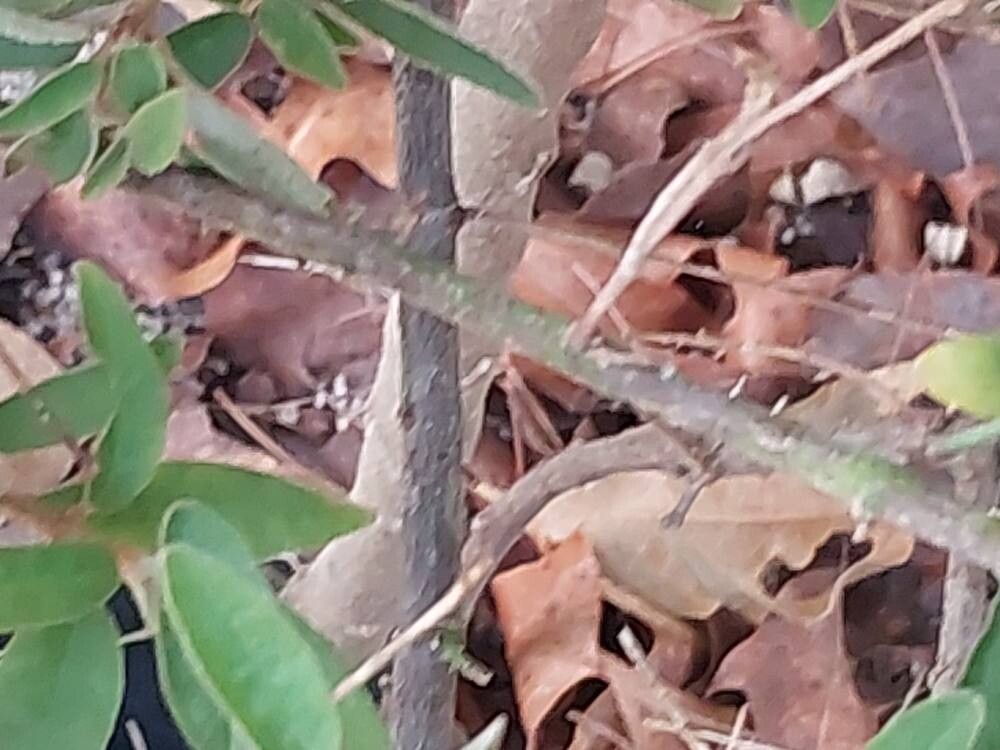
Ah, Correa decumbens! What a delightful little groundcover. If you’re a fan of those lovely, pendulous bell-shaped flowers that pop up in the cooler months, making your garden a beacon of color when so many others are quieting down, then you’re in for a treat. And the best part? You can easily add more of these beauties to your patch without it costing an arm and a leg. Propagating Correa decumbens is one of those satisfying garden tasks that makes you feel like a green-thumb wizard. Honestly, it’s quite forgiving, even for those just starting their plant-parenting journey.
The Best Time to Start
For the highest success rate with Correa decumbens, I always reach for my secateurs in late spring to early summer. This is when the plant is actively growing, but the stems have hardened off just enough to be good for cuttings. You’re looking for those semi-hardwood stems – they should be bendy but not floppy like brand new growth.
Supplies You’ll Need
Gathering your tools before you begin makes the whole process go smoother. Here’s what I always have on hand:
- Sharp pruning shears or a sharp knife: Clean cuts are key to preventing disease.
- Potting mix: A well-draining mix is paramount. I like to use a blend of potting soil with plenty of perlite or coarse sand. A good seedling mix works wonders too.
- Small pots or seedling trays: Make sure they have drainage holes! Tiny terracotta pots are lovely for this.
- Rooting hormone (optional but helpful): It’s not strictly necessary for Correa decumbens, but it can give your cuttings a little boost. I usually opt for a powder form.
- Watering can or spray bottle: Gentle watering is important.
- Plastic bags or a propagator: To create a humid environment.
Propagation Methods: Stem Cuttings
This is my go-to method for Correa decumbens, and it’s wonderfully effective.
- Take Your Cuttings: Head out to your healthy Correa decumbens plant. Select several healthy, non-flowering stems that are about 10-15 cm long. Use your clean pruners or knife to make a cut just below a leaf node. A leaf node is where a leaf joins the stem; this is where the magic of root formation happens.
- Prepare the Cuttings: Gently remove the lower leaves from the stem, leaving just two or three at the very top. If the leaves are quite large, I sometimes find snipping them in half can reduce moisture loss.
- Apply Rooting Hormone (If Using): Dip the cut end of the stem into your rooting hormone powder, giving it a gentle tap to remove any excess.
- Potting Up: Fill your small pots with your well-draining potting mix. Make a small hole in the center with a pencil or your finger.
- Insert the Cuttings: Carefully place the prepared cutting into the hole, ensuring the leaf nodes that were buried are covered by soil. Gently firm the soil around the stem.
- Water and Cover: Water the pot gently until the soil is moist but not waterlogged. I like to use a spray bottle at this stage to avoid disturbing the soil. Then, cover the pot with a clear plastic bag or place it in a propagator to create a mini greenhouse effect. This humidity is crucial for preventing the cuttings from drying out before they can form roots.
The “Secret Sauce” (Pro Tips)
After years of poking around in pots, I’ve learned a few little tricks that really help.
- Bottom Heat is Your Friend: If you have a very cool spot, pop your pots onto a heat mat. Consistent warmth from below can significantly speed up root development. It’s like a little spa treatment for your cuttings!
- Don’t Drown Them: While humidity is good, standing water around the base of the cutting is its enemy. It invites rot. Ensure your mix is airy and that excess water can drain away freely. Check the soil moisture regularly, but don’t water when it’s already damp.
- Patience with the Leaves: If you are doing water propagation (which I find less reliable for Correa but it can work), make sure the leaves don’t touch the water. Only the stem should be submerged. Leaves in the water will just rot and drag the cutting down with them.
Aftercare & Troubleshooting
Once your cuttings are potted, find them a spot with bright, indirect light. Avoid direct sun, which can scorch those delicate new leaves and dry out the cuttings quickly. Keep the humidity up by misting occasionally or simply by ensuring the plastic bag stays on.
You’ll know your cuttings are rooting when you see new leaf growth appearing. You can give them a gentle tug; if there’s resistance, they’ve likely rooted. This usually takes anywhere from 4 to 8 weeks, sometimes a bit longer.
The most common issue you’ll encounter is rot. If a cutting turns black and mushy, it’s a sign of too much moisture and not enough air circulation. Unfortunately, there’s no coming back from that, so learn from it and adjust your watering or humidity levels for the next batch. Another sign of trouble is wilting that doesn’t perk up after watering – this often indicates the roots haven’t formed and the cutting is drying out.
A Encouraging Closing
Don’t be discouraged if not every single cutting takes. Nature has its own rhythm! The joy of propagation is in the process itself, the quiet anticipation, and the thrill of seeing those tiny roots emerge. Be patient, keep your cuttings happy, and soon you’ll have a small army of beautiful Correa decumbens to share or plant out. Happy propagating!
Resource:
https://identify.plantnet.org/k-world-flora/species/Correa%20decumbens%20F.Muell./data