Hey there, fellow plant lovers!
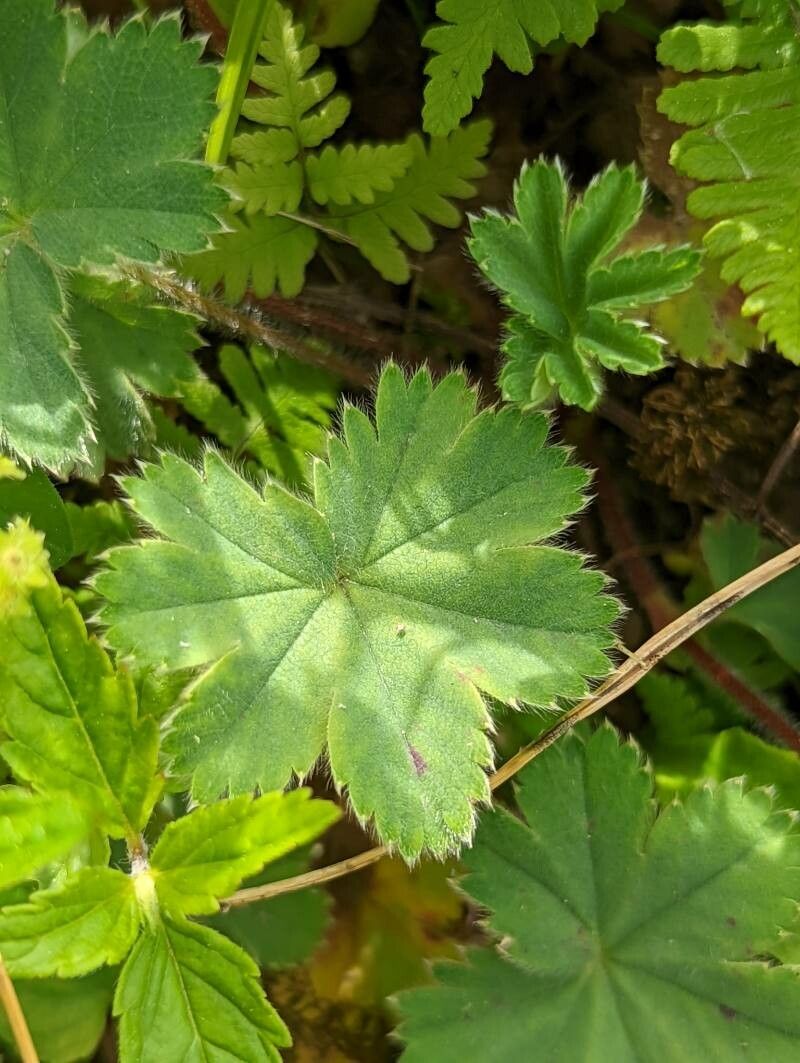
Let’s talk about a garden gem that truly shines: Alchemilla caucasica, or Caucasian Lady’s Mantle. Its lovely, scalloped leaves that hold glistening droplets of dew are just stunning. And the sprays of chartreuse flowers in summer? Absolutely delightful. If you’re looking to fill your garden beds with this beauty, or share it with friends, propagating it yourself is incredibly rewarding. And I’ve got good news: it’s a quite easy plant to propagate, even for those just starting their green-thumb journey!
The Best Time to Start
For the happiest results with Alchemilla caucasica, I find that late spring or early summer is your sweet spot. This is when the plant is actively growing and has plenty of energy to put into new root development. You can also have success with early autumn propagation, especially if you want to get a head start for next year.
Supplies You’ll Need
You don’t need a whole workshop for this, just a few basics:
- Sharp, clean pruning shears or a sharp knife: Essential for making clean cuts.
- Rooting hormone (optional but recommended): This gives your cuttings a little boost.
- A well-draining potting mix: I like a blend of equal parts peat moss or coco coir, perlite, and compost. Or, you can buy a good quality seed-starting mix.
- Small pots or trays: Clean pots are a must to prevent disease. Small 3-4 inch pots are perfect.
- Watering can or spray bottle: For gentle watering.
- Plastic bags or a propagator lid: To create a humid environment.
Propagation Methods
Alchemilla caucasica is wonderfully versatile, and I usually have the best luck with two methods: stem cuttings and division.
Stem Cuttings
This is my go-to for increasing my plant numbers quickly.
- Take your cuttings: In late spring or early summer, look for healthy, non-flowering stems. Using your clean shears, cut pieces that are about 4-6 inches long. Cut just below a leaf node (where a leaf attaches to the stem). Remove the lower leaves, leaving just a few at the top.
- Prepare the cuttings: If you’re using rooting hormone, dip the cut end of each stem into it. Gently tap off any excess.
- Plant the cuttings: Fill your small pots with your prepared potting mix. Make a hole with your finger or a pencil, and insert the cutting. Gently firm the soil around the stem.
- Provide humidity: Water the soil lightly. Then, cover the pot with a plastic bag or a propagator lid. This helps keep the humidity high, which is crucial for cuttings to root. Place the pot in a bright, but indirect light location.
Division
This is a fantastic way to revitalize an older, overgrown clump.
- Dig up the plant: In spring or fall, carefully dig around the base of your Alchemilla caucasica clump. Gently lift the entire plant out of the ground.
- Separate the divisions: Shake off some of the excess soil. You should be able to see natural divisions within the root ball. Use your hands or a clean trowel to carefully pull the clump apart. You want each division to have plenty of healthy roots and at least one or two leafy shoots.
- Replant: Plant the divisions immediately into their new homes. Make sure they are planted at the same depth they were originally growing. Water them in well.
The “Secret Sauce” (Pro Tips)
- Don’t let the leaves touch the water (for cuttings): If you choose to water your cuttings by setting the pot in a tray of water, make sure the leaf part of the stem stays above the water line. Rot can set in quickly if those leaves sit in stagnant water.
- Bottom heat is your friend (for cuttings): If you have a heat mat designed for seedlings, placing your pots of cuttings on it can significantly speed up root formation. It mimics the warmth of spring soil.
- Be patient with division: Sometimes, divisions might look a little sad for a week or two after replanting. Give them a little time, consistent moisture, and they’ll perk right up. Don’t be tempted to overwater in a panic!
Aftercare & Troubleshooting
Once your cuttings have rooted (you can gently tug on them; if there’s resistance, they’ve rooted!), or your divisions have settled in, they need a little TLC. Keep the soil consistently moist, but not waterlogged. Gradually introduce them to more light and eventually, you can transplant them into larger pots or their permanent garden spots.
The most common issue you might encounter is rot, especially with cuttings. This usually happens when there’s too much moisture and not enough air circulation. If you see mushy stems or grey mold, it’s a sign to try and improve ventilation and reduce watering. With divisions, wilting can happen from transplant shock. Ensure they have adequate moisture and shade them from intense sun for the first week or so.
Happy Propagating!
There you have it! Propagating Alchemilla caucasica is a wonderful way to expand your collection and share the joy of this beautiful plant. Don’t be discouraged if your first attempt isn’t perfect – gardening is all about learning and experimenting. Just keep trying, stay patient, and most importantly, enjoy the process! Happy gardening!
Resource:
https://identify.plantnet.org/k-world-flora/species/Alchemilla%20caucasica%20Buser/data