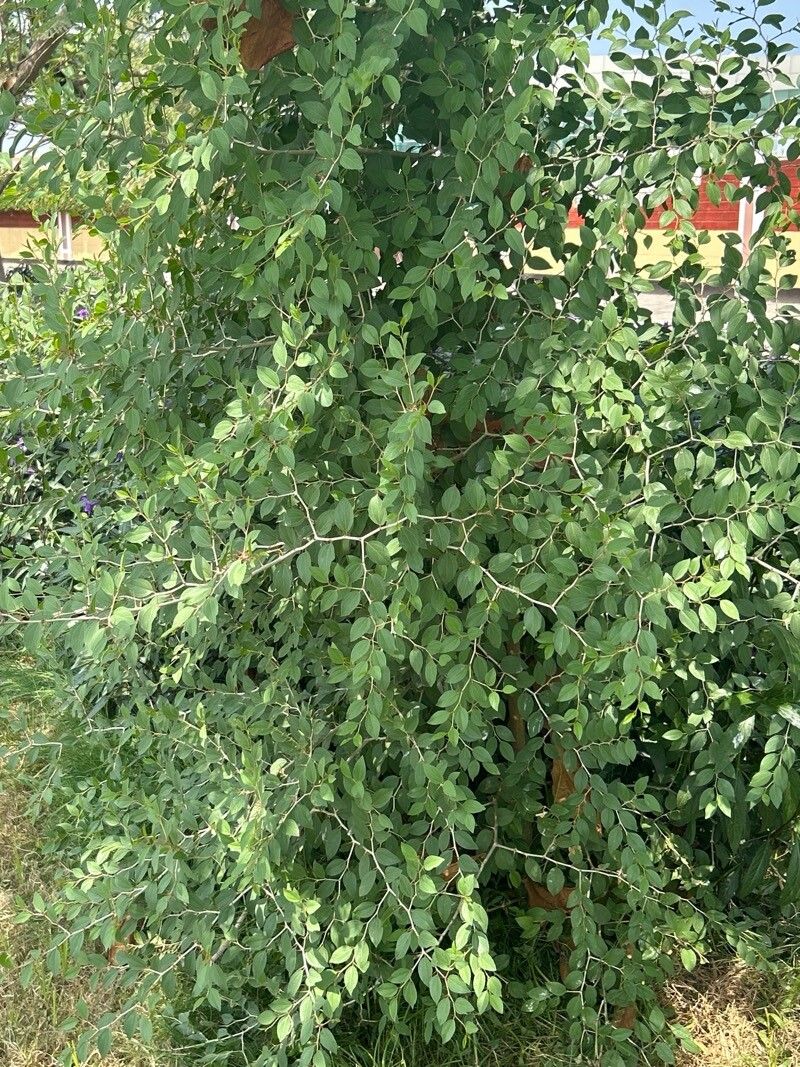
Oh, hello there! Come on in and grab a mug. Today, we’re diving into the wonderful world of propagating Ziziphus spina-christi, or the Christ’s Thorn Jujube as it’s more commonly known. If you’ve ever admired its thorny branches, its potential for screening, or even the sweet, date-like fruits it can produce, you’re in for a treat. Getting more of these beauties from just one plant is incredibly rewarding, especially if you’re looking to fill out a larger garden or share with fellow plant lovers. Now, is it a beginner-friendly plant to propagate? I’d say it’s a solid intermediate plant. It’s not as fuss-free as some, but with a little attention to detail, you’ll see success.
The Best Time to Start
For Ziziphus spina-christi, the absolute sweet spot for propagation is late spring or early summer. This is when the plant is actively growing, meaning your cuttings have the best chance of rooting. You want to take cuttings from new, yet slightly hardened growth. Think of it as getting wood that’s not too soft and bendy, but not so old and woody that it struggles to root. Waiting until after the plant has flowered and started setting fruit can also work, but you might find the success rate dips a bit.
Supplies You’ll Need
Gathering your supplies beforehand makes the whole process much smoother. Here’s what I usually have on hand:
- Sharp Pruning Shears or a Craft Knife: Clean cuts are crucial for preventing disease.
- Rooting Hormone: A powder or gel made for hardwood or semi-hardwood cuttings (I prefer the powder myself).
- Well-Draining Potting Mix: A 50/50 blend of perlite and peat moss or coco coir works wonders. You can also add a little horticultural grit.
- Small Pots or Seedling Trays: Clean ones are a must!
- Plastic Bags or Dome Covers: To create a humid environment.
- Labels: Trust me, you’ll thank yourself later.
- Watering Can with a Fine Rose or Spray Bottle: For gentle watering.
Propagation Methods
While Ziziphus spina-christi can sometimes be grown from seed, it’s notoriously slow and can be quite variable. So, for a more predictable outcome and to ensure you get a plant true to its parent, propagation by stem cuttings is your best bet.
Stem Cuttings (Semi-Hardwood)
- Select Your Cuttings: In late spring or early summer, look for healthy shoots that are about pencil-thick and have started to firm up. You want pieces that have grown this season.
- Take the Cuttings: Using your sharp pruners, take cuttings that are about 6-8 inches long. Make your cut just below a leaf node (where a leaf attaches to the stem). This is where the magic of rooting hormones works best.
- Prepare the Cuttings: Gently strip off the leaves from the bottom half of the cutting. If your cuttings have larger leaves, I like to cut the remaining leaves in half. This reduces water loss through transpiration while still allowing for some photosynthesis.
- Apply Rooting Hormone: Dip the cut end of each cutting into your rooting hormone, tapping off any excess.
- Pot Them Up: Fill your small pots with your well-draining mix. Make a hole in the center of the mix with a pencil or your finger. Insert the cut end of the cutting, ensuring the root hormone stays on the stem. Gently firm the mix around the stem.
- Water Gently: Give them a light watering to settle the mix.
- Create Humidity: Cover each pot loosely with a plastic bag or place them in a tray with a dome cover. You want to keep the humidity high, but allow for some air circulation. Opening the bag or dome for a few minutes each day helps prevent fungal issues.
- Provide Light and Warmth: Place your pots in a bright spot that doesn’t get direct, harsh sun. A little bottom heat, like a heated propagator mat, can significantly speed up rooting, but it’s not strictly essential.
The “Secret Sauce” (Pro Tips)
Now, for a couple of little tricks that have helped me over the years:
- The “Sleeping” Cutting: Sometimes, I’ll take cuttings a day or two before I plan to pot them. I’ll store them loosely wrapped in a damp paper towel in a plastic bag in the fridge. This lets them firm up a bit more and can sometimes lead to better rooting. Just don’t leave them in there too long!
- The Gentle Wiggle Test: After you think they’ve rooted (usually 4-8 weeks, sometimes longer), don’t yank on them! Instead, very gently wiggle the cutting. If you feel a bit of resistance, chances are you have roots. You can also look for new leaf growth as a sign.
Aftercare & Troubleshooting
Once you see signs of rooting – new leaf growth is the most reliable indicator – it’s time to start acclimatizing your new plants. Slowly begin to remove the plastic cover or open the dome for longer periods over a week or two. Continue to keep them in bright, indirect light and water them when the top inch of so of the soil feels dry.
The main issue you’ll likely encounter is rot. This is usually caused by too much moisture and poor drainage. If you see a cutting turning mushy or black at the base, or if mold starts to develop, sadly, it’s probably a goner. The best prevention is a super well-draining soil mix and avoiding overwatering. It’s better to let them dry out slightly than to keep them constantly soggy.
A Encouraging Closing
Propagating Ziziphus spina-christi is such a wonderful way to connect with nature and expand your garden. It takes a bit of patience, and not every cutting will make it, but that’s all part of the gardening journey! So gather your supplies, get your hands dirty, and I’m sure you’ll be rewarded with plenty of new plants to nurture. Happy propagating!
Resource:
https://identify.plantnet.org/k-world-flora/species/Ziziphus%20spina-christi%20(L.)%20Desf./data