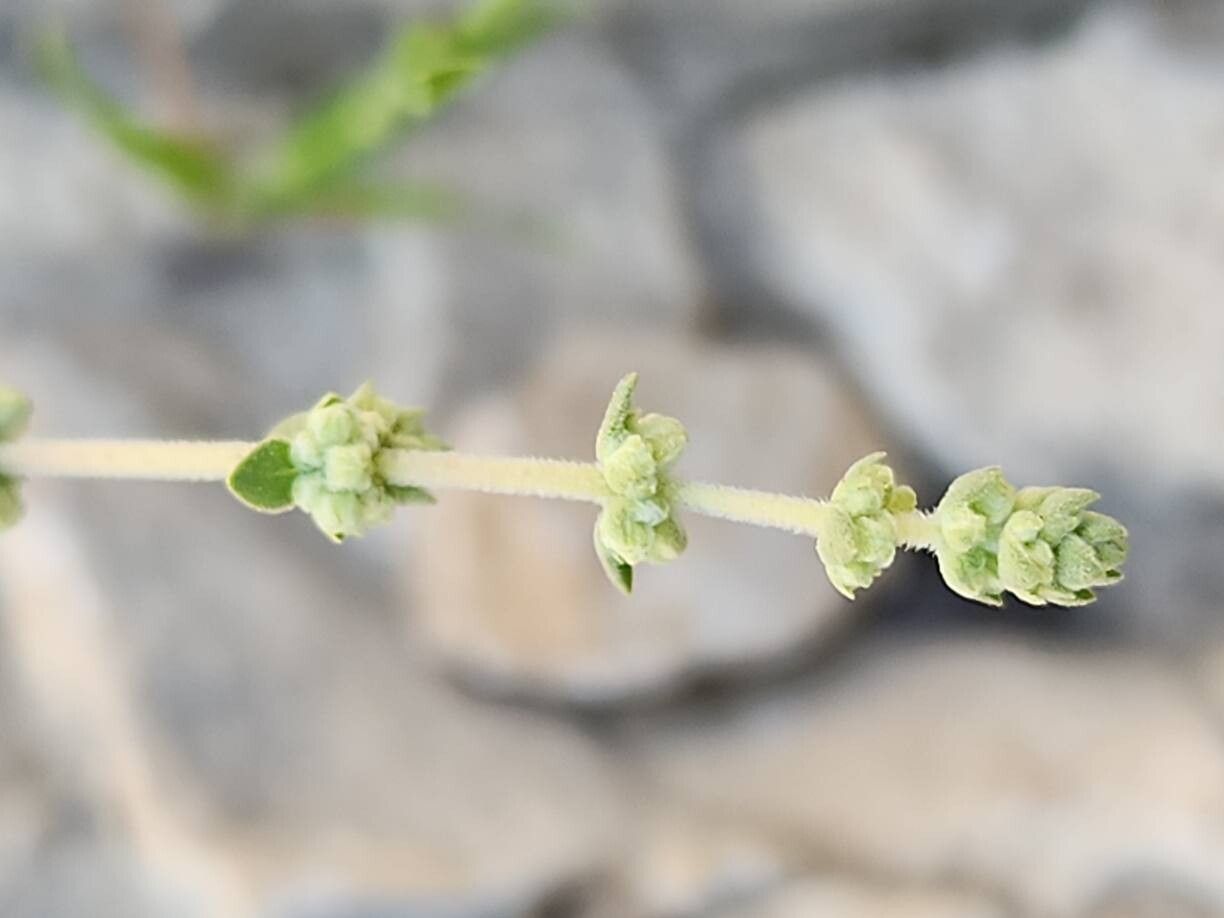
Ah, Zataria multiflora! You know, that lovely little plant with the intoxicating aroma. It’s a real gem, especially if you enjoy fragrant herbs. The scent alone makes it worth growing. And the best part? You can easily fill your garden, or even your kitchen windowsill, with more of these beauties by propagating them yourself. It’s incredibly satisfying to nurture a new plant from a tiny piece of an established one.
While some plants can be a bit finicky, I find Zataria multiflora to be quite forgiving. Even if you’re just starting out with propagation, you’ll likely have a good shot at success.
When to Get Started
The sweet spot for propagating Zataria multiflora is late spring or early summer. This is when the plant is actively growing, and its stems are pliable enough to root. You want to take cuttings from healthy, new growth – not the old, woody bits.
Your Propagation Toolkit
Gathering the right supplies makes the whole process smoother. Here’s what I usually have on hand:
- Sharp pruning shears or a clean knife: For making clean cuts.
- Rooting hormone (powder or gel): This isn’t strictly essential for Zataria, but it can give your cuttings a boost.
- Well-draining potting mix: I love a mix of perlite, peat moss, and a bit of compost.
- Small pots or trays: Clean ones are key to preventing disease.
- Plastic bags or a propagator: To create a humid environment.
- Watering can or spray bottle: For gentle watering.
Let’s Grow More Zataria!
There are a couple of ways we can go about this. Stem cuttings are my go-to method for Zataria multiflora.
Stem Cuttings:
- Take Your Cuttings: In late spring or early summer, choose a healthy stem that’s about 4-6 inches long. Look for one that’s not flowering. Use your clean shears to make a clean cut just below a leaf node. A leaf node is where a leaf sprouts from the stem.
- Prepare the Cuttings: Gently remove the lower leaves, leaving just the top couple of sets. This prevents them from rotting once they’re in the soil. If you’re using rooting hormone, dip the cut end into it now, tapping off any excess.
- Plant Them Up: Fill your small pots with your well-draining mix. Make a small hole in the center of the soil with your finger or a pencil.
- Insert the Cuttings: Carefully place the cut end of the stem into the hole. Gently firm the soil around the cutting to ensure good contact.
- Create a Humid Environment: Water the soil lightly. Then, cover the pot with a plastic bag to create a mini-greenhouse effect. You can stick a couple of skewers in the soil to keep the bag from touching the leaves. An alternative is to place the potted cuttings inside a larger, clear plastic tray with a lid.
The “Secret Sauce” for Success
Here are a few things I’ve learned over the years that really help:
- Don’t Crowd Them: Give your cuttings a bit of space. Overcrowding can lead to fungal issues.
- Bottom Heat is Your Friend: If you have a heat mat designed for striking cuttings, placing your pots on it can significantly speed up rooting. About 70-75°F (21-24°C) is ideal.
- Patience, Grasshopper: Don’t be tempted to tug on your cuttings to see if they’ve rooted. You’ll know they’re established when you see new leaf growth. This can take anywhere from a few weeks to a couple of months.
Aftercare: Nurturing Your New Sprouts
Once you see those first signs of new growth, it’s time to slowly acclimate your cuttings to normal humidity. Gradually open the plastic bag or propagator a little more each day over a week.
Keep the soil consistently moist but not waterlogged. Overwatering is the most common culprit for failure, leading to rot. If your cuttings start to look limp and mushy, or develop fuzzy mold, it’s usually a sign of too much moisture and not enough air circulation. Don’t despair if you lose a few; it’s part of the learning process. Just try again!
Keep Growing!
Propagating Zataria multiflora is a wonderful way to expand your herb collection. Be patient with the process, and don’t be afraid to experiment a little. The joy of watching those tiny cuttings transform into thriving plants is truly one of the great pleasures of gardening. Happy propagating!
Resource:
https://identify.plantnet.org/k-world-flora/species/Zataria%20multiflora%20Boiss./data