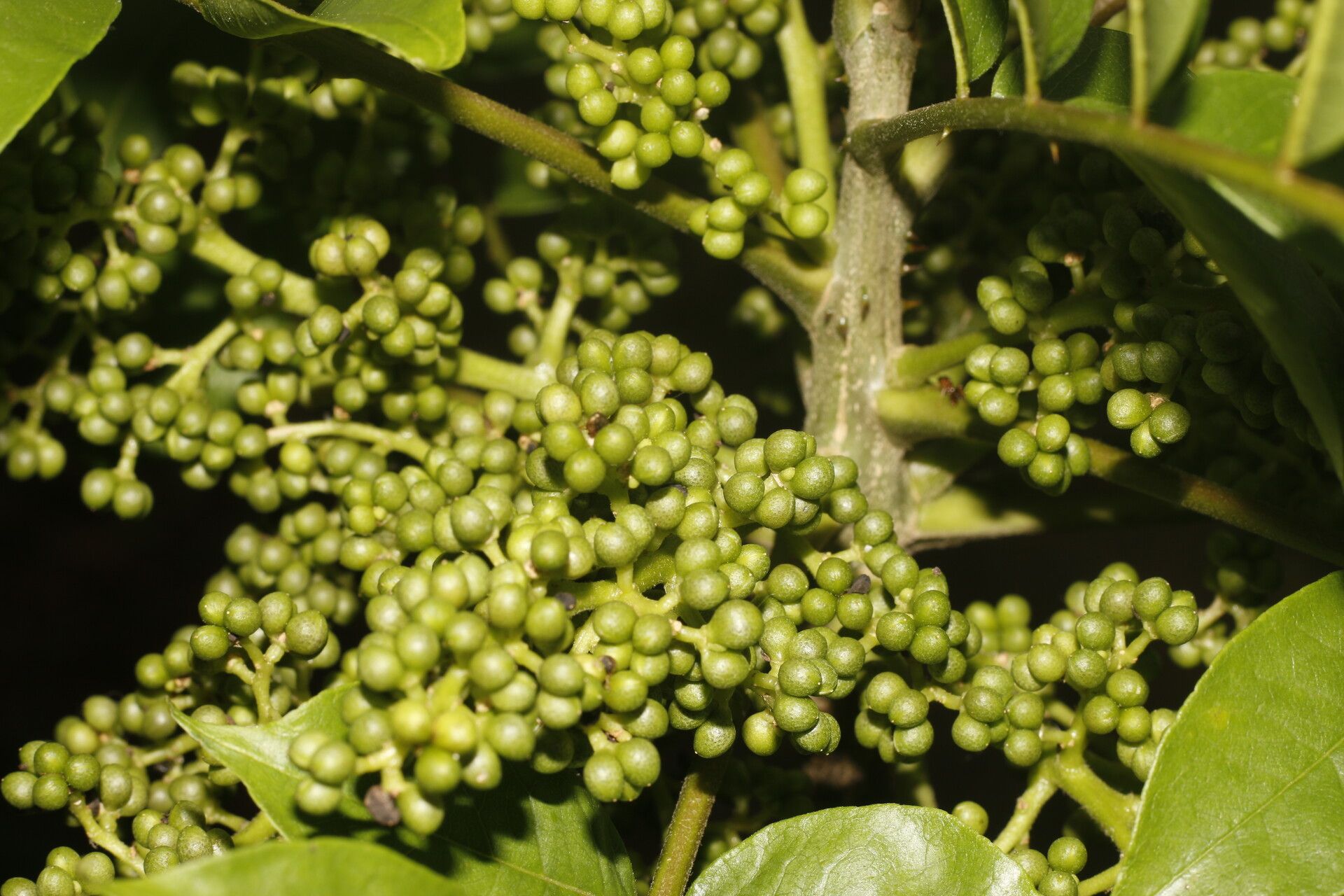
Hello, fellow plant lovers! Today, we’re diving into something truly special, a little gem that brings a unique fragrance and, for many, a delightful culinary experience to the table: Zanthoxylum setulosum. If you’re smitten with its prickly charm and zesty allure, you’re in for a treat. Propagating this beauty yourself is an incredibly rewarding journey, letting you fill your garden or windowsill with more of these fascinating plants. Now, I’ll be honest, Zanthoxylum setulosum isn’t the absolute easiest plant to propagate for a complete beginner, but with a little patience and the right approach, you’ll be well on your way to success.
The Best Time to Start
For Zanthoxylum setulosum, I find late spring to early summer is absolutely prime time. Think of it as when the plant is really hitting its stride, putting out fresh, vigorous growth after the winter chill. This younger wood, often called softwood or semi-hardwood, has just the right amount of flexibility and energy to root successfully. Waiting until after the main flush of spring growth means you’ll be working with cuttings that have a good chance of taking off.
Supplies You’ll Need
Gathering your supplies beforehand makes the whole process much smoother. Here’s what I always have on hand:
- Sharp Pruning Shears or a Knife: Clean cuts are crucial for healthy rooting.
- Rooting Hormone: A powder or gel can significantly boost your success rate.
- Well-Draining Potting Mix: I prefer a mix of equal parts peat moss (or coco coir for a more sustainable option), perlite, and a bit of coarse sand. This prevents soggy bottoms!
- Small Pots or Seed Trays: With good drainage holes, of course. Reused yogurt cups with holes poked in the bottom work in a pinch!
- Plastic Bags or a Propagator: To create a humid microclimate.
- Watering Can or Spray Bottle: For gentle watering.
- Labels: You’ll thank yourself later for knowing what you planted and when!
Propagation Methods
Let’s get our hands dirty! The most successful method for Zanthoxylum setulosum is usually through stem cuttings.
Stem Cuttings (The Star Performer)
- Select Your Cuttings: Choose healthy, non-flowering stems from the current season’s growth. Look for stems that are a bit bendy but not floppy – this is that perfect semi-hardwood stage. You want cuttings that are about 4-6 inches long.
- Make the Cut: Using your clean shears or knife, take the cuttings. Make your basal cut (the bottom of the cutting) just below a leaf node (where a leaf attaches to the stem). This is where abundant root-forming cells are often found. You can also make a slight angle cut here, which increases the surface area for rooting.
- Prepare the Cuttings: Gently remove the leaves from the bottom two-thirds of the cutting. If any leaves are very large, you can even snip them in half to reduce water loss. Leave just a few leaves at the top to help the cutting photosynthesize.
- Apply Rooting Hormone: Dip the cut end of the stem into your rooting hormone, tapping off any excess. This is like giving your cutting a little superpower boost for root development.
- Plant Your Cuttings: Fill your pots with your prepared potting mix. Make a small hole in the center with your finger or a pencil. Gently insert the treated end of the cutting into the hole, ensuring the nodes where you removed leaves are below the soil surface. Lightly firm the soil around the base of the cutting. You can typically fit 2-3 cuttings per small pot, but give them a little space.
- Create Humidity: Water the soil gently until it’s moist but not waterlogged. Then, cover the pot with a clear plastic bag, or place it in a propagator. This traps humidity, which is vital for cuttings that don’t yet have roots to absorb water. Make sure the leaves don’t touch the sides of the bag if possible.
The “Secret Sauce” (Pro Tips)
- Bottom Heat is Your Friend: This is a game-changer for many woody cuttings. Placing your pots on a heat mat specifically designed for plants can significantly speed up root development. It mimics the warmth of spring soil and encourages those roots to emerge. Just be sure the mat doesn’t dry out your soil too quickly; monitor moisture levels closely.
- Don’t Be Afraid to Experiment with Leaf Nodes: For somewhat trickier woodies, I’ve found sometimes a leaf node that’s just below the soil surface is even more crucial for initiating roots than a simple cut. When you make your basal cut, ensure that bottom-most node is nestled snugly into your rooting medium.
- “Heeling” for an Extra Boost: If you have a mature, vigorous Zanthoxylum setulosum plant, you can try taking a “heel” cutting. This is where you carefully pull or snap a stem downwards on the parent plant, taking a small sliver of the older, woody stem (the “heel”) with it. This piece of older wood can often be more vigorous in rooting. Treat it like any other cutting, but the presence of that older tissue can provide a good energy source.
Aftercare & Troubleshooting
Once your cuttings are planted, place them in a bright spot with indirect light. Direct sun can scorch those tender leaves and dry them out too quickly. Keep the soil consistently moist but never soggy. A good way to check is to gently poke your finger into the soil; if it feels dry about an inch down, it’s time for a light watering.
Signs of Success: The biggest indicator that your cutting has rooted is new leaf growth. If you see tiny new leaves or shoots emerging, congratulations! It’s time to gradually acclimate your new plant to normal conditions. First, poke a few holes in the plastic bag for a few days, then remove the bag for a few more days before you consider repotting.
Trouble Signs: The most common issue is rot. If your cutting turns black and mushy, or if the leaves start to wilt dramatically and don’t perk up, it’s likely succumbed to rot from too much moisture and not enough air circulation. If you see this, sadly, it’s time to discard the cutting and start again. Another sign of failure is if the cutting simply shrivels up without any signs of life – this could be due to being too dry or not having enough energy to begin with.
A Encouraging Closing
Propagating plants is as much an art as it is a science, and there’s so much joy to be found in the process. Don’t get discouraged if your first few attempts aren’t perfect. Each cutting, each experience, teaches you something new. Be patient, give your little Zanthoxylum setulosum propagations the care they need, and enjoy the satisfaction of growing your own beautiful plants from scratch. Happy gardening!
Resource:
https://identify.plantnet.org/k-world-flora/species/Zanthoxylum%20setulosum%20P.Wilson/data