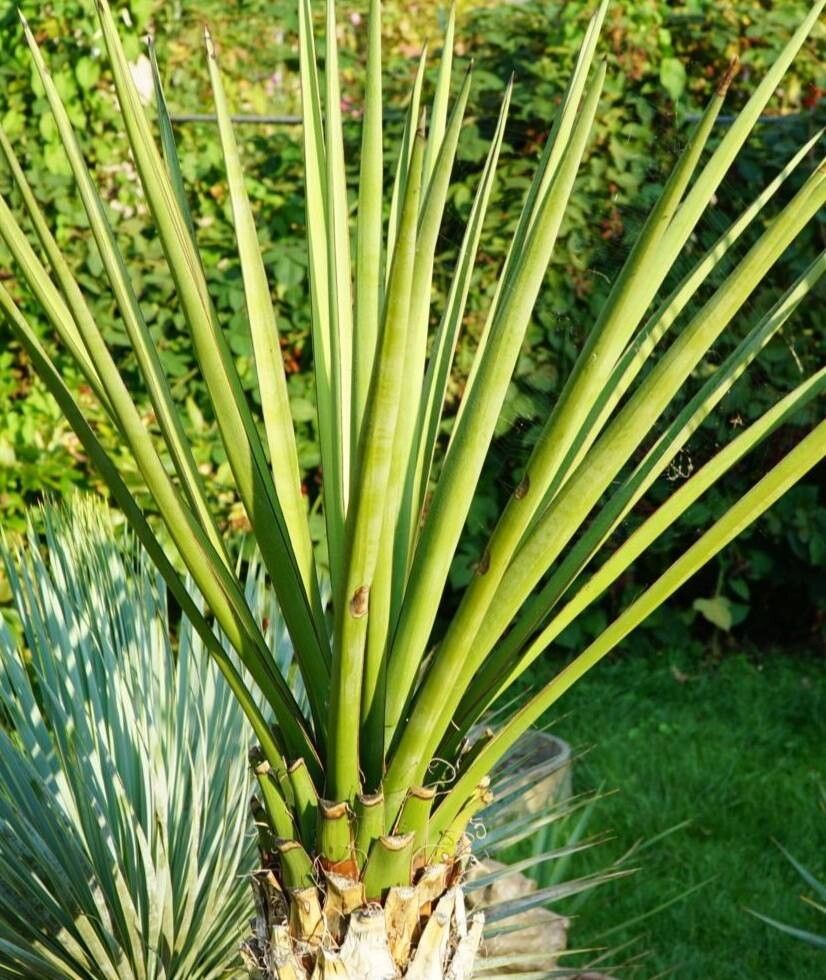
Hey there, fellow plant lovers! I’m so excited to chat with you today about a plant that truly captures my heart: Yucca treculiana. You know, the one with those striking, sword-like leaves that just exude architectural beauty? They’re absolute stunners in the garden, bringing a touch of the desert and a whole lot of drama. And guess what? Propagating them is not only possible, but it’s also incredibly rewarding. Even if you’re just dipping your toes into the world of gardening, you’ll find that Yucca treculiana is a pretty forgiving plant to work with.
The Best Time to Start
When it comes to getting new Yucca treculiana babies, spring is your golden ticket. This is when the plant is actively growing and has plenty of energy to put into developing new roots. You’ll see lots of new growth shooting up, and that’s your cue to get started. Waiting until after the last frost is crucial, of course, so you don’t set your precious cuttings back with any unexpected chills.
Supplies You’ll Need
Gathering your materials beforehand makes the whole process much smoother. Here’s what I always have on hand:
- Sharp Pruning Shears or a Saw: Clean cuts are essential to prevent disease.
- Rooting Hormone (Optional but helpful): This can give your cuttings a nice boost.
- Well-Draining Potting Mix: I like a mix of equal parts potting soil, perlite, and coarse sand for excellent aeration. Cactus/succulent mix works too!
- Pots or Containers: Small pots or seed trays with drainage holes are perfect.
- Gloves: Yucca leaves can be pokey!
- A Spray Bottle: For a gentle mist to keep things humid.
- Newspaper or a Tarp: To contain the mess.
Propagation Methods
Yucca treculiana is a trooper, and thankfully, it’s quite versatile when it comes to making new plants. The most common and successful methods involve using pieces of the parent plant.
1. Stem Cuttings
This is my go-to method. It’s straightforward and yields great results.
- Step 1: Identify a Healthy Stem. Look for a mature stem that’s at least 6-12 inches long and looks robust. You can often find these lower down on the plant or from offshoots.
- Step 2: Make Clean Cuts. Using your sharp pruning shears or a saw, carefully cut the stem from the main plant. Aim for cuts that are clean and straight.
- Step 3: Prepare the Cutting. Remove any lower leaves from the stem, leaving just a few at the top. If the stem is very long, you can cut it into smaller sections, each with at least one node (where leaves emerge).
- Step 4: Allow to Callus. This is important! Let the cut end dry out and form a callus for a few days to a week in a dry, airy spot. This prevents rot. You’ll see a dry, hardened layer form.
- Step 5: Apply Rooting Hormone (Optional). Dip the callused end into rooting hormone powder, tapping off any excess.
- Step 6: Plant the Cutting. Fill your pot with your well-draining mix. Make a hole in the center and insert the callused end of the cutting into the soil. Press the soil gently around it to ensure good contact.
- Step 7: Water Sparingly. Water just enough to moisten the soil. You want it damp, not soggy.
2. Division
If your Yucca treculiana has started to form clumpier growth with multiple rosettes, division is a fantastic way to go.
- Step 1: Assess the Plant. Look for a mature yucca with several distinct rosettes.
- Step 2: Carefully Remove from Pot/Ground. If it’s in a pot, gently tip it out. If it’s in the ground, dig around the root ball, trying to disturb it as little as possible.
- Step 3: Gently Separate the Divisions. Using your hands or a clean trowel, gently pull apart the rosettes. Ideally, each division will have some roots attached. If they are strongly connected, you might need to use a clean, sharp knife or saw to carefully separate them.
- Step 4: Inspect and Prune Roots. Trim away any damaged or mushy roots.
- Step 5: Plant the Divisions. Plant each division in its own pot filled with well-draining soil, burying the base of the rosette just as it was before.
- Step 6: Water Lightly. Water in well to settle the soil.
The “Secret Sauce” (Pro Tips)
Here are a few tricks I’ve learned over the years that really make a difference:
- Don’t Overwater! This is the number one killer of yucca cuttings. They are desert plants and hold water in their leaves and stems. The soil should be allowed to dry out slightly between waterings, especially in the early stages. Think of it as giving them a drink when they’re thirsty, not a constant bath.
- Bottom Heat is Your Friend. If you can, placing your pots on a heat mat specifically designed for plants can significantly speed up root development. It mimics the warmth of spring soil and gives those roots a cozy environment to emerge.
- Go Easy on the Leaves in Water Propagation. While some people try water propagation, Yucca treculiana can be prone to rot if the leaves sit in the water. If you’re attempting this, ensure only the cut stem end is submerged, and change the water regularly. I generally prefer soil propagation for these guys.
Aftercare & Troubleshooting
Once you see new growth emerging from your cutting or division, it’s a sign that roots are forming!
- Continue Watering Sparingly. As your plant establishes, you can gradually increase the frequency of watering, but always allow the top inch or two of soil to dry out between waterings.
- Gradual Acclimation. If your new plant was in a humid environment (like under a cloche), gradually introduce it to normal room humidity or outdoor conditions.
- Signs of Failure: The most common issue is rot, which usually looks like a mushy, brown base. This is almost always caused by too much moisture. If you see this, it’s usually best to discard the cutting. Wilting or yellowing leaves can also indicate underwatering or too much sun too soon.
A Encouraging Closing
Propagating Yucca treculiana is a journey, and like any good journey, it’s about enjoying the process. Be patient! Sometimes it takes a few weeks, or even a couple of months, for roots to develop. Don’t get discouraged. Watching those first tiny roots emerge and seeing your new plant take hold is one of the most satisfying feelings in gardening. So go ahead, grab those shears, and happy propagating! You’ve got this!
Resource:
https://identify.plantnet.org/k-world-flora/species/Yucca%20treculiana%20Carrière/data