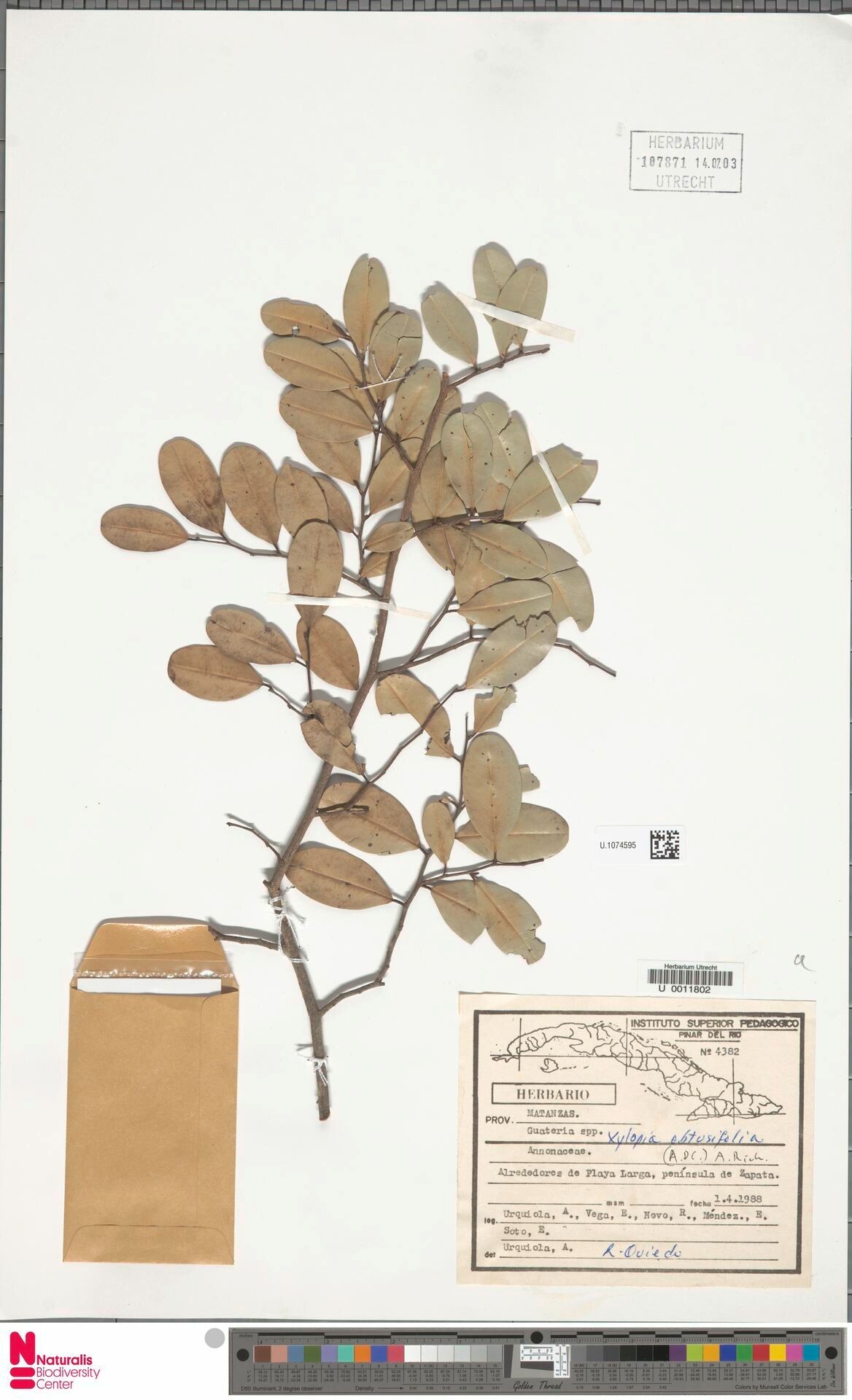
Oh, Xylopia fusca! It’s a beauty, isn’t it? That gorgeous, leathery foliage and often, if you’re lucky, a delicate, sweet fragrance. Growing some of these amazing plants from scratch is one of the most satisfying things a gardener can do. It’s like holding a little piece of the future in your hands! Now, about propagating Xylopia fusca – is it a breeze for brand new gardeners? Honestly, it can be a little bit of a challenge, leaning more towards the intermediate side. But don’t let that deter you! With a little attention and my guidance, you’ll be well on your way.
The Best Time to Start
For Xylopia fusca, I’ve found the absolute sweet spot for propagation is late spring to early summer. This is when the plant is actively growing and has plenty of energy to put into forming new roots. You’re looking for new, but slightly hardened growth – not the super soft, floppy new shoots, but also not the old, woody stems. Think of it as pencil-thick, bendy rather than brittle.
Supplies You’ll Need
Gathering your tools beforehand makes the whole process so much smoother. Here’s what I always have on hand:
- Sharp Pruning Shears or a Clean Knife: Essential for taking clean cuts.
- Rooting Hormone: A liquid or powder helps kickstart root development.
- Well-Draining Potting Mix: A common recipe I use is 50% perlite and 50% peat moss or coco coir. You can also find specific “seed starting” or “cactus and succulent” mixes that work well.
- Small Pots or Propagation Trays: Clean, with drainage holes, of course!
- Plastic Bag or Clear Dome: To create a humid environment.
- Watering Can with a Fine Rose: For gentle watering.
- Optional: Heating Mat: For providing gentle bottom heat.
Propagation Methods: Taking Stem Cuttings
This is generally the most successful and common method for Xylopia fusca.
- Select Your Cuttings: Look for those healthy, semi-hardwood stems we talked about. Aim for cuttings that are about 4-6 inches long.
- Make the Cut: Using your clean shears or knife, make a clean, angled cut just below a leaf node. This is where root growth is most likely to initiate.
- Prepare the Cutting: Gently remove the lower leaves, leaving just a few at the top. This reduces water loss and prevents leaves from rotting in the medium. If you have really large leaves, you can even cut them in half horizontally.
- Apply Rooting Hormone: Dip the cut end of the stem into your rooting hormone. Tap off any excess.
- Plant Your Cuttings: Fill your small pots with your prepared potting mix. Make a small hole in the center with a pencil or your finger. Insert the cutting, ensuring the node where you removed the leaves is buried. Firm the soil gently around the base.
- Water Gently: Water the potting mix thoroughly but gently until water drains from the bottom.
- Create a Humid Environment: Place the potted cuttings in a plastic bag, propped up so the bag doesn’t touch the leaves, or cover them with a clear dome. This traps humidity, which is crucial for cuttings.
- Provide Light and Warmth: Place the cuttings in a bright spot with indirect light. Avoid direct sun, which can scorch them. If you have a heating mat, place the pots on it. This gentle warmth from below really encourages root formation.
The “Secret Sauce” (Pro Tips)
Here are a few little tricks I’ve learned over the years that can make a big difference:
- Don’t Let Those Leaves Touch the Water! If you opt for water propagation (which I find less successful for Xylopia, but possible), make sure none of the leaves are submerged. They will rot quickly. Only the stem should be in the water.
- Bottom Heat is Your Friend: Seriously, that gentle warmth from a heating mat is a game-changer. It mimics spring soil temperatures and gives those roots a significant boost.
- Patience, Patience, Patience: Xylopia can be a bit slow to root. Don’t be tempted to pull them out and check too early. Give them at least 6-8 weeks, and often longer, before you gently tug to feel for resistance.
Aftercare & Troubleshooting
Once you start to see signs of life – new leaf growth is usually the first indicator – it means roots are forming!
- Acclimatize Slowly: Once rooted, start to gradually remove the plastic bag or dome over a week or two to let the plant adjust to normal humidity levels.
- Watering: Keep the soil consistently moist but not waterlogged. Water when the top inch of soil feels dry.
- Repotting: When the new plant has a good amount of roots (you might see them peeking out the drainage holes), you can transplant it into a slightly larger pot with your regular potting mix.
What if things go wrong? The most common culprit is rot. If your cutting turns black and mushy, it’s a sign of too much moisture and not enough airflow. Sadly, a rotted cutting is usually a goner. Another sign of failure is if the cutting just shrivels up and dies. This can happen if it dries out too much or if it just doesn’t have the energy to root. Don’t get discouraged! Simply try again with fresh cuttings and perhaps a slightly different approach.
A Encouraging Closing
Growing plants from cuttings is a journey, and like any good journey, it has its ups and downs. Be patient with your Xylopia fusca, celebrate every little sign of success, and don’t be afraid to experiment. Each cutting you take is a chance to learn and grow more successful. Happy propagating, and enjoy the delightful reward of your new plants!
Resource: