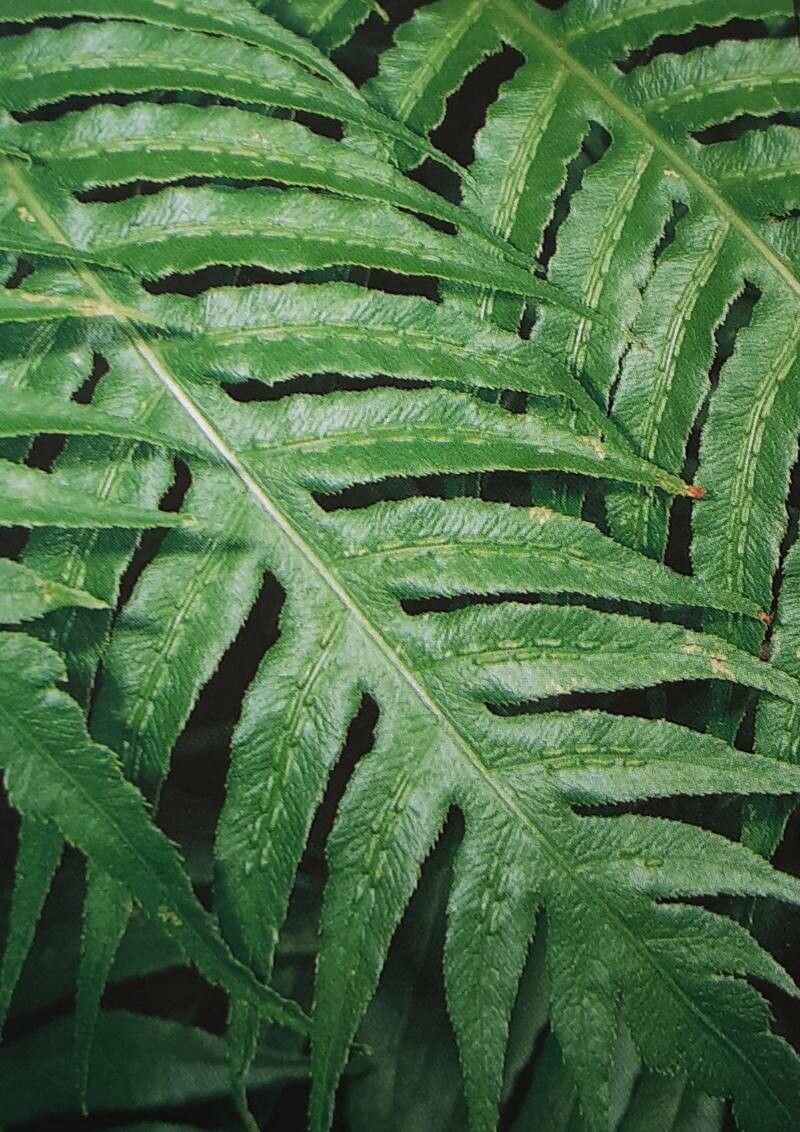
Hello there, fellow plant enthusiasts! It’s so lovely to have you join me today. If you’ve ever admired the lush, architectural beauty of Woodwardia radicans, the Italian chain fern, you’re in for a treat. Its elegant, arching fronds bring a touch of wild, untamed beauty to any garden or shaded patio. And the best part? You can easily bring that magic into your own space by propagating this spectacular fern! Now, I won’t lie; ferns can sometimes feel a little intimidating. But Woodwardia radicans is surprisingly giving, making it a truly rewarding plant to propagate, even if you’re relatively new to the gardening game.
The Best Time to Start
For the highest success rate with your Woodwardia radicans propagation, aim for late spring or early summer. This is when the plant is actively growing and has plenty of energy reserves. You’re looking for those young, vigorous fronds that are just unfurling, or even better, those that have begun to lengthen and mature. Avoid trying to propagate during the plant’s dormancy or when conditions are too cold.
Supplies You’ll Need
Let’s gather our toolkit before we get our hands dirty:
- Sharp pruning shears or a clean, sharp knife: For making clean cuts.
- Potting mix: A well-draining, peaty mix is ideal. You can use a general potting mix amended with perlite or coarse sand. For ferns, I often lean towards a mix formulated for acid-loving plants.
- Small pots or trays: With drainage holes, of course!
- Rooting hormone (optional but recommended): Especially for slightly more challenging propagation methods.
- Watering can or mister: For gentle hydration.
- Plastic bag or propagation dome: To create a humid environment.
- Gravel or pebbles: For drainage in decorative pots.
- Clean water: For water propagation.
Propagation Methods
Woodwardia radicans is a generous plant, offering a couple of straightforward ways to multiply.
Method 1: Division (The Easiest Way!)
This is my go-to method for older, more established plants. It’s like giving your fern a little haircut and getting a bonus plant out of it!
- Gently unpot your mature fern. You want to loosen the root ball as much as possible without causing undue stress.
- Inspect the root system. You’ll likely see where the plant naturally wants to divide. Look for distinct clumps of fronds emerging from separate sections of the root system.
- Using your hands or a clean trowel, carefully separate these clumps. Try to keep as much of the root system intact for each new division as possible. If it’s a bit stubborn, don’t be afraid to use your pruners or knife to cut through thicker rhizomes, ensuring each section has good roots and some shoots.
- Pot up each division into its own container. Use your prepared, well-draining potting mix.
- Water gently.
Method 2: Rhizome Cuttings (A Tad More Advanced)
This method takes advantage of Woodwardia radicans‘s creeping rhizomes.
- Locate a healthy, vigorous rhizome on your parent plant. These are the thick, stem-like structures that grow along the soil surface or just beneath it.
- Using your sharp knife or pruners, carefully cut a section of the rhizome that is at least 3-4 inches long and has at least one healthy bud or developing frond.
- Optional: Dip the cut end into rooting hormone. This can give it a nice boost.
- Plant the rhizome cutting horizontally in your prepared potting mix, ensuring the bud or frond is pointing upwards. About half of the rhizome should be buried, with the top half exposed.
- Water thoroughly and cover with a plastic bag or propagation dome to maintain high humidity.
Method 3: Bulbils (Nature’s Little Helpers)
Sometimes, Woodwardia radicans will produce little plantlets, or bulbils, at the tips of its fronds.
- Keep an eye on your fronds. When you spot these tiny baby plants forming, wait until they are large enough to handle and show signs of developing roots.
- Carefully snip the frond just above the bulbil.
- Gently detach the bulbil from the frond.
- Pot the bulbil in a small, shallow pot filled with your fern mix. The tiny roots should be just nestled into the soil.
- Mist regularly and cover with a humidity dome or bag.
The “Secret Sauce” (Pro Tips)
Here are a couple of tricks I’ve learned over the years that can make a big difference:
- Don’t overcrowd your pots: Especially with rhizome cuttings, give each piece enough space. Too much crowding means less air circulation, which can lead to rot. I like to plant only one or two rhizome cuttings per small pot.
- Bottom heat is your friend: For rhizome cuttings, placing the pots on a gentle heat mat (the kind used for seedlings) can significantly speed up root development. Ferns love a little warmth, especially when they’re trying to establish themselves.
Aftercare & Troubleshooting
Once you see new growth appearing from your cuttings or divisions, congratulations! You’ve got a baby fern on its way.
- Gradually acclimate your new plant to normal humidity levels by slowly opening the plastic bag or dome over a week or two.
- Keep the soil consistently moist but not waterlogged. This is crucial. Ferns despise drying out, but they also hate soggy feet.
- Provide bright, indirect light. Direct sun will scorch those tender new fronds.
- Watch out for rot: The most common sign of failure is mushy, black stems or rhizomes. This usually means the soil is too wet and there’s not enough air circulation. If you see this, remove the affected part immediately and try to let the soil dry out slightly. Another sign of trouble is yellowing or browning fronds on a division – this can be transplant shock, so patience is key. If your cuttings are just wilting and not showing any signs of rot, they might just be struggling to root, and keeping that humidity high is vital.
A Word of Encouragement
Propagating Woodwardia radicans is a wonderfully satisfying journey. It teaches patience and observation, and the reward of watching a tiny piece of plant transform into a beautiful, flourishing fern is truly magical. Don’t be discouraged if your first attempt isn’t perfect. Every gardener has their learning curve! Just enjoy the process, appreciate the growth, and soon you’ll have a whole collection of these stunning Italian chain ferns to share. Happy gardening!
Resource:
https://identify.plantnet.org/k-world-flora/species/Woodwardia%20radicans%20(L.)%20Sm./data