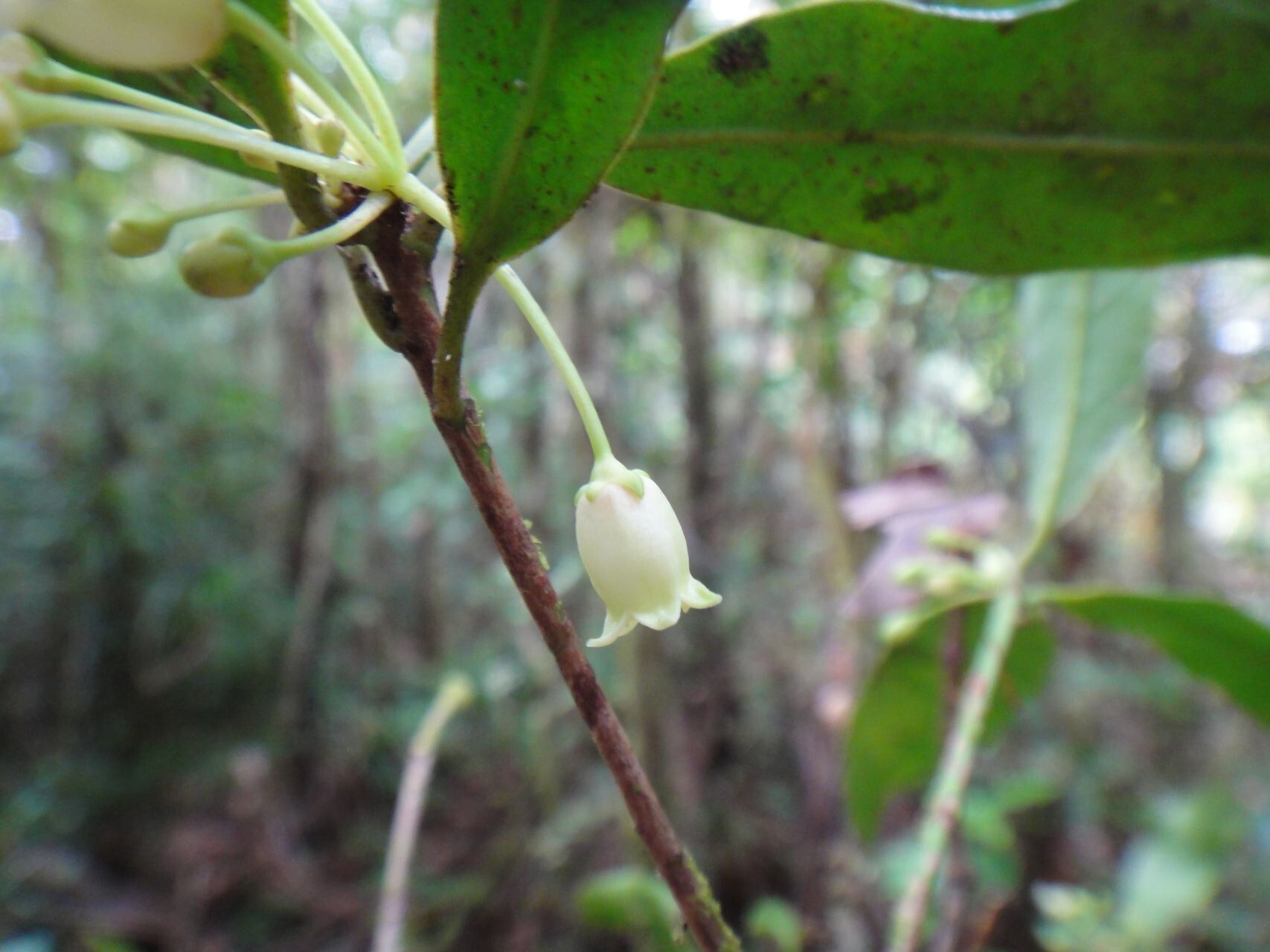
Oh, hello there! Grab a cup of tea, because today we’re diving into the wonderful world of Wittsteinia balansae. If you’ve ever spotted this beauty in a garden or nursery, you’ve likely been captivated by its unique foliage and delicate charm. Propagating it yourself is such a rewarding way to expand your collection or share this gem with fellow plant lovers. Now, I’ll be honest, Wittsteinia balansae can be a little bit fussy, so it might not be your absolute first project as a brand new gardener. But with a bit of patience and these straightforward steps, you absolutely can succeed!
The Best Time to Start
For the happiest roots and the best chance of success, I find that late spring or early summer is the sweet spot for propagating Wittsteinia balansae. This is when the plant is actively growing after its spring flush. You want to work with healthy, vigorous stems that haven’t yet flowered or started to wind down for the season. Think of it as catching your plant at its peak energy!
Supplies You’ll Need
Before we get our hands dirty, let’s make sure we have everything ready:
- Sharp Pruning Shears or a Blade: Cleanliness is key here. A clean cut prevents disease.
- Rooting Hormone (Optional but Recommended): This gives your cuttings a little boost. Look for one that’s suitable for softwood cuttings.
- Well-Draining Potting Mix: I like a blend of equal parts peat moss or coco coir, perlite, and a bit of coarse sand. You want something that drains like a sieve!
- Small Pots or Trays: Clean, with drainage holes, of course.
- Plastic Bag or Dome: To create a humid environment for your cuttings.
- Watering Can or Spray Bottle: For gentle moisture.
- Small Labels and a Pen: To keep track of what you’ve propagated and when.
Propagation Methods
The most reliable way I’ve found to propagate Wittsteinia balansae is by stem cuttings. It’s straightforward and yields good results when done correctly.
Stem Cuttings:
- Select Your Stems: Look for healthy, non-woody stems that are about 4-6 inches long. They should have at least two sets of leaves.
- Make the Cut: Using your clean pruning shears or blade, take a cutting just below a leaf node (where a leaf attaches to the stem). This is where the magic happens in terms of root formation.
- Prepare the Cutting: Gently remove the lower leaves from the bottom half of the stem. You want to expose at least one or two leaf nodes that will be below the soil line. If the remaining leaves are very large, you can cut them in half to reduce water loss.
- Apply Rooting Hormone (If Using): Dip the cut end of the stem into the rooting hormone powder, tapping off any excess.
- Plant Your Cuttings: Fill your clean pots with your well-draining potting mix. Make a small hole in the center of the pot with your finger or a pencil. Gently insert the trimmed end of the cutting into the hole, ensuring at least one or two leaf nodes are buried. Firm the soil gently around the stem.
- Water Thoroughly: Water the soil gently but thoroughly until it’s evenly moist.
- Create Humidity: Place the pots into a plastic bag, sealing it loosely, or cover them with a clear plastic dome. This traps moisture and creates a mini-greenhouse effect, which is crucial for cuttings that haven’t developed roots yet.
The “Secret Sauce” (Pro Tips)
Now for those little tricks that really make a difference:
- Bottom Heat is Your Friend: If you have a heating mat designed for propagation, place your pots on it. A consistent, gentle warmth from below encourages faster root development. It’s like a cozy little spa day for your cuttings!
- Don’t Let the Leaves Touch the Water (in this context): When you’re preparing your cuttings, make absolutely sure that any leaves you leave on the stem are well above the soil line. If leaves are buried in the damp soil, they’ll quickly rot, taking your young cutting down with them.
- Bright, Indirect Light is Best: Once your cuttings are planted and under cover, place them in a spot that receives bright, indirect light. Avoid direct sun, which can scorch the delicate leaves and overheat the enclosed environment.
Aftercare & Troubleshooting
Once you’ve got your cuttings planted, patience is your greatest virtue!
- Keep it Humid and Moist: Check the moisture levels regularly. The soil should feel consistently damp but not waterlogged. Mist the inside of the plastic bag or dome occasionally if it looks dry.
- Ventilation is Important: Every few days, lift the plastic bag or dome for a few minutes to allow for fresh air exchange. This helps prevent fungal issues.
- When to Expect Roots: It can take several weeks to a couple of months for Wittsteinia cuttings to root. You’ll know they’re happy when you see new leaf growth. You can also give them a very gentle tug; if there’s resistance, roots have formed.
- Troubleshooting Rot: The most common problem is rot. If you see the stem turning mushy and black, or the leaves yellowing and falling off, it’s usually a sign of too much moisture and not enough air circulation. Unfortunately, a rotted cutting is usually a goner. Clean everything thoroughly and try again, adjusting your watering or ventilation.
A Little Encouragement
Propagating plants is a journey, and there will be times when things don’t go perfectly. Don’t be discouraged! Each attempt is a learning experience. The satisfaction of watching a tiny cutting develop into a new, thriving plant is truly unparalleled. So, be patient with your Wittsteinia balansae, enjoy the process, and celebrate every little bit of success along the way. Happy propagating!
Resource:
https://identify.plantnet.org/k-world-flora/species/Wittsteinia%20balansae%20(Baill.)%20Steenis/data