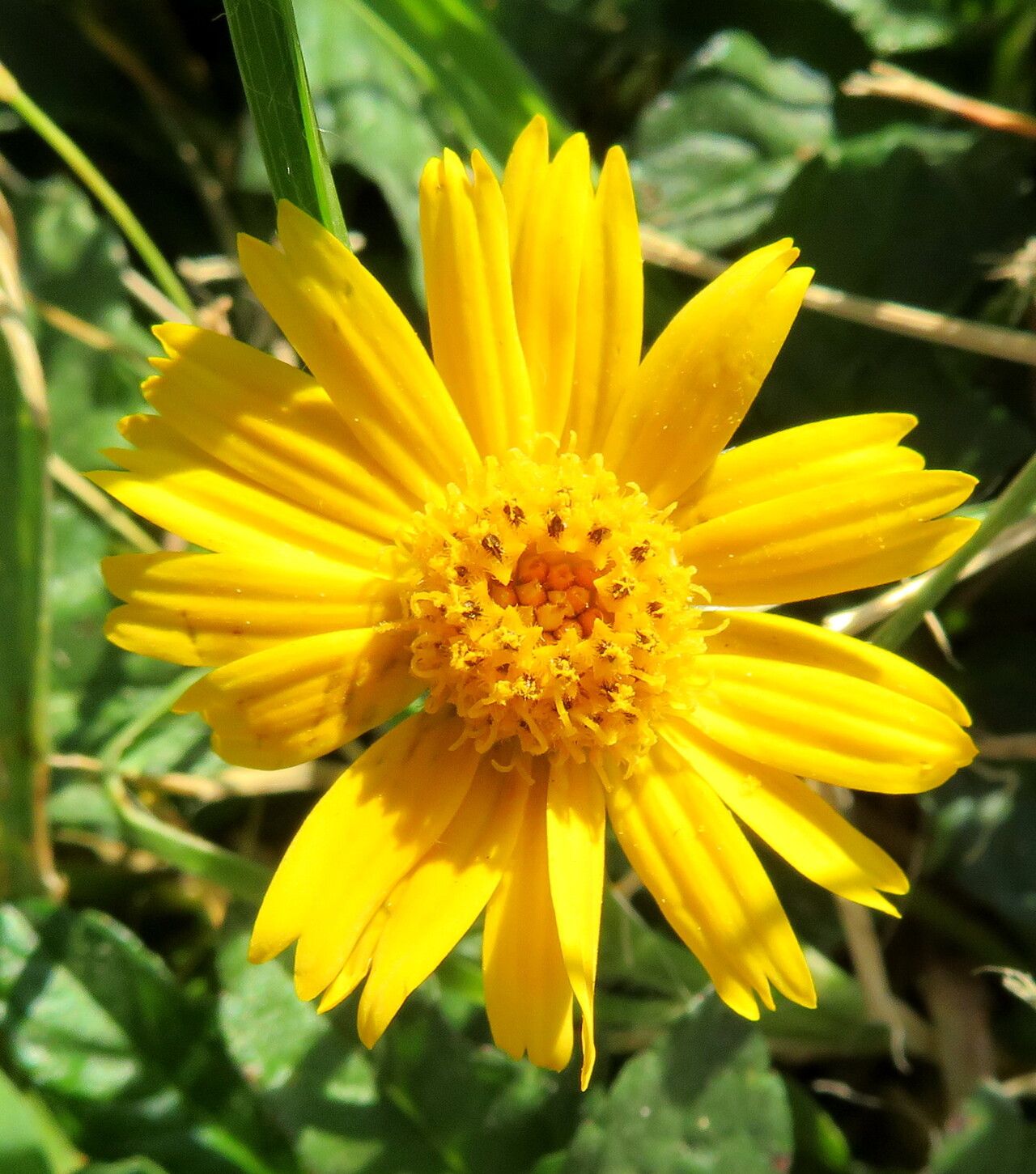
Hello fellow garden lovers! I’m so excited to chat with you today about a plant that’s brought so much cheerful yellow to my own garden: Wedelia calycina. You know that gorgeous, ground-covering plant with the bright, sunny blooms that just seems to thrive? That’s likely Wedelia! It’s a fantastic choice for filling in those bare spots, tumbling over walls, or even as a vibrant groundcover. And the best part? It’s incredibly rewarding, and surprisingly easy, to propagate. Even if you’re just dipping your toes into the world of plant starting, you’ll find Wedelia to be a wonderfully forgiving companion.
The Best Time to Start
For Wedelia calycina, my absolute favorite time to get propagating is during the active growing season, which generally means late spring through summer. You want to catch your plant when it’s full of energy and ready to put out new growth. Look for stems that are firm but not yet woody. Think young, vigorous shoots – they have more energy to put into developing roots, and that translates to higher success rates for us!
Supplies You’ll Need
Gathering your supplies beforehand makes the whole process so much smoother. Here’s what I usually have on hand:
- Sharp Pruning Shears or a Clean Knife: For taking clean cuttings.
- Rooting Hormone (Optional but Recommended): This can give your cuttings a real boost. I like to use a powder, but liquid or gel works too.
- Well-Draining Potting Mix: A mix designed for cuttings or a blend of potting soil with perlite or coarse sand (about a 1:1 ratio) is perfect.
- Small Pots or Seedling Trays: With drainage holes, of course!
- Watering Can or Mister: For gentle watering.
- Plastic Bags or a Propagator: To create a humid environment.
- Labels and a Pen: Don’t forget to label your efforts!
Propagation Methods
Wedelia is a generous plant, and it’s quite happy to oblige when you ask for more. I find two methods work exceptionally well for it.
Stem Cuttings
This is my go-to method for Wedelia, and it’s wonderfully straightforward.
- Take Your Cuttings: Using your sharp shears, select healthy, non-flowering stems that are about 4-6 inches long. Make a clean cut just below a leaf node (that’s the bump on the stem where a leaf grows from). Remove the lower leaves, leaving only a few at the very top. This prevents them from rotting once they’re in the soil.
- Apply Rooting Hormone (Optional): If you’re using rooting hormone, lightly dip the cut end of the stem into the powder or liquid. Tap off any excess.
- Plant the Cuttings: Fill your small pots or trays with your dampened, well-draining potting mix. Make a small hole with your finger or a pencil. Insert the cut end of the stem into the hole, ensuring at least one leaf node is below the soil surface. Gently firm the soil around the cutting.
- Water Gently: Water the soil lightly. You want it moist, but not waterlogged.
- Create Humidity: Cover the pot or tray with a clear plastic bag or place it in a propagator. This helps maintain high humidity, which is crucial for cuttings to stay hydrated while they develop roots. You can prop the bag up with a skewer or two if it touches the leaves.
Water Propagation
This method is visually satisfying, and you can see the roots forming!
- Prepare the Cuttings: Take your cuttings as described above, removing the lower leaves.
- Place in Water: Fill a clean jar or glass with fresh water. Place the cuttings in the water, making sure that no leaves are submerged. Submerged leaves will just rot and can infect the stem.
- Change Water Regularly: Change the water every few days to keep it fresh and prevent bacteria buildup.
- Find a Good Spot: Place the jar in a bright location, but out of direct, harsh sunlight.
The “Secret Sauce” (Pro Tips)
Here are a couple of little tricks I’ve learned over the years that can really boost your Wedelia propagation success:
- Don’t Be Afraid to Pinch: Once your stem cuttings are planted and have settled in, giving them a gentle pinch at the tip can actually encourage side branching and a bushier plant later on. It’s just an extra little nudge for them to grow strong!
- Bottom Heat is Your Friend: If you have a heat mat designed for seedlings, placing your pots or trays on it can make a world of difference, especially if your home is a bit cooler. That gentle warmth encourages root development from below, making those cuttings much happier and faster to root.
Aftercare & Troubleshooting
Once you start to see signs of root development – maybe a tiny root peeking out of the drainage hole or new growth appearing on the cutting – it’s time for a slight change in routine.
- Gradual Acclimation: If you’ve covered your cuttings, gradually remove the plastic bag or open the propagator over a few days. This helps them adjust to regular room humidity.
- Watering: Continue to keep the soil consistently moist but not soggy. As the plant grows, you can water it more thoroughly, allowing the top inch of soil to dry out slightly between waterings.
- Transplanting: Once the roots are well-established (you can usually tell by tugging gently on the cutting – if there’s resistance, roots have formed!), you can transplant your new Wedelia into slightly larger pots.
Now, what if things don’t go as planned? The most common culprits are rot (that mushy, brown look at the base of the cutting) and drying out. Rot usually happens from overwatering or poor drainage. If you see rot, it’s sadly a lost cause, but don’t get discouraged! Just try again with a fresh cutting, ensuring better drainage and a less heavy hand with the watering. If cuttings look limp and sad, they might be drying out. Increase the humidity, check your watering, and make sure they aren’t in a spot that’s too hot or dry.
A Encouraging Closing
Propagating Wedelia calycina is such a rewarding way to expand your garden and share these cheerful blooms with friends. Don’t be discouraged if every single cutting doesn’t take. Gardening is a journey of learning and observation. Embrace the process, enjoy the little victories, and before you know it, you’ll have beautiful new plants to admire. Happy growing!
Resource:
https://identify.plantnet.org/k-world-flora/species/Wedelia%20calycina%20Rich./data