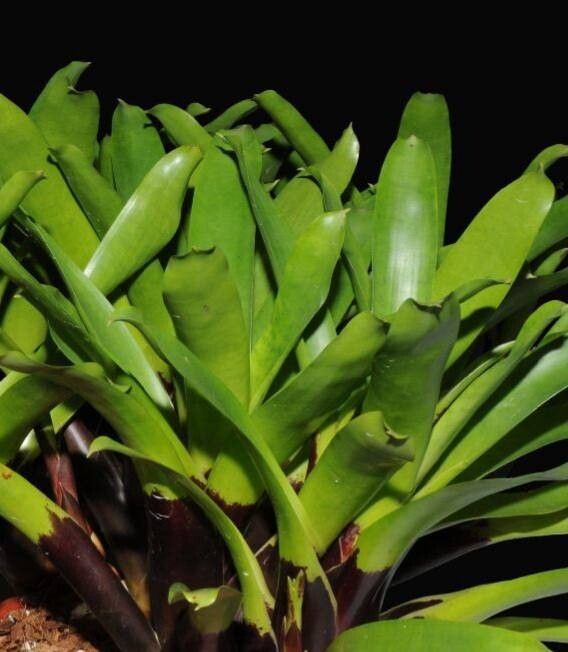
Hello fellow plant lovers! Today, we’re diving into the wonderful world of Vriesea vagans. If you’ve ever admired those gorgeous, architectural leaves of these bromeliads, you’re in for a treat. Propagating them can feel a bit like magic, and I find it incredibly rewarding to watch a new little plant sprout from a piece of its parent. Now, are they the absolute easiest thing for a first-timer? Honestly, they can be a little bit particular. But stick with me, and I promise we’ll get you growing them in no time!
The Best Time to Start
For Vriesea vagans, the sweet spot for propagation is generally during its active growing season. Think late spring through summer. This is when the plant has plenty of energy to put into producing new growth, which translates to a higher chance of success for our propagation efforts. You’ll often see the parent plant producing little pups, or baby plants, around its base during this time. That’s your golden ticket!
Supplies You’ll Need
- Sharp pruning shears or a clean knife: For making precise cuts.
- Well-draining potting mix: I like a mix of orchid bark, perlite, and a little bit of peat moss. You want something that dries out quickly.
- Small pots or containers: Yogurt cups with drainage holes poked in the bottom work great for tiny propagations.
- Rooting hormone (optional but helpful): This can give your cuttings a boost.
- Spray bottle: For misting.
- Clear plastic bag or a small propagation dome: To create a humid environment.
- Water: Clean, room-temperature water.
Propagation Methods
The most common way to propagate Vriesea vagans is by taking pups, which are the new plantlets that grow from the base of the mother plant.
- Locate the Pups: Gently examine your Vriesea vagans. You’re looking for small, miniature versions of the plant emerging from the soil or at the base of the mature leaves. They’ll often have their own tiny leaves and may even have a few small roots already developing.
- Prepare Your Workspace: Have your clean pots and prepared potting mix ready.
- Gently Separate the Pup: Using your clean shears or knife, carefully cut the pup away from the mother plant. Try to get as much of the pup’s base as possible, including any tiny roots it might have. If you can cleanly separate it with a little bit of its own root system attached, that’s fantastic!
- Optional: Rooting Hormone: If you have rooting hormone, dip the cut end of the pup into it. This can encourage faster root development.
- Planting: Fill your small pots with your well-draining potting mix. Make a small hole in the center and gently place the pup inside, firming the soil around its base. You want the base of the pup to be nestled in the soil, not buried too deeply.
- Initial Watering: Water lightly. You don’t want to waterlog the soil. A gentle misting from your spray bottle is often enough.
Another method, though less common for Vriesea vagans in my experience unless you’ve specifically bought a division, is to simply divide the plant. If your plant has grown into a clump with multiple distinct bases, you can carefully pull them apart and repot them individually, ensuring each section has some roots.
The “Secret Sauce” (Pro Tips)
- My absolute favorite trick, especially with pups that might not have much of a root system yet, is to mist them daily or every other day. Vriesea vagans love humidity, and a good misting will keep them plump and encourage root growth. Just make sure that water doesn’t sit trapped in the central “cup” of the leaves for too long, as that can lead to rot (more on that later!).
- For particularly stubborn pups or if you’re nervous about them drying out, I’ll often pop the pot into a clear plastic bag or cover it with a propagation dome. This creates a mini-greenhouse effect, trapping moisture and creating that humid environment they crave. Just remember to open it for an hour or so each day to allow for air circulation and prevent fungal issues.
Aftercare & Troubleshooting
Once your pup is potted, place it in a bright, indirect light location. Avoid direct sunlight, as this can scorch its delicate leaves. Continue with your light watering and misting routine. You’re looking for signs of new leaf growth or the plant looking firmer and more upright—these are indicators that roots are forming. This can take anywhere from a few weeks to a couple of months. Be patient!
The biggest pitfall you’ll likely encounter is rot. If you see the base of your pup turning mushy and brown, or if the leaves start to yellow and feel limp even after watering, it’s a sign of too much moisture. Unfortunately, once rot sets in, it’s hard to recover from. This is why that well-draining soil and careful watering are so crucial. If you catch it early, you might be able to trim away the rotted parts with a sterile knife and let it dry out completely before attempting to root again.
A Encouraging Closing
Propagating Vriesea vagans is a journey, and like any gardening endeavor, there will be moments of triumph and maybe a few stumbles. Don’t get discouraged if your first attempt isn’t a runaway success. Learn from it, adjust your approach, and most importantly, enjoy the process of nurturing new life. You’ve got this, and soon you’ll have a whole collection of these beautiful bromeliads! Happy growing!
Resource:
https://identify.plantnet.org/k-world-flora/species/Vriesea%20vagans%20(L.B.Sm.)%20L.B.Sm./data