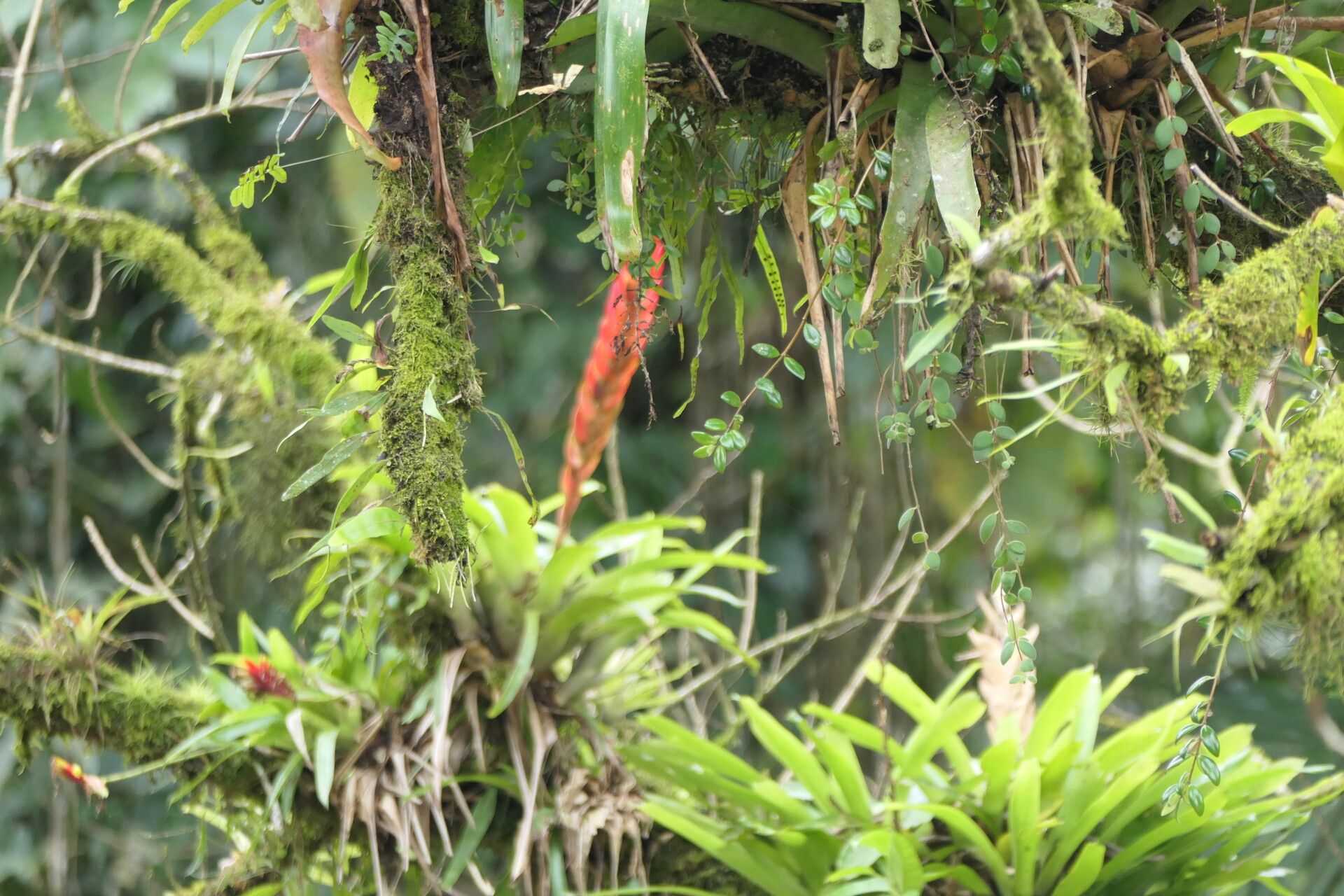
Hello there, fellow plant enthusiasts! It’s so lovely to have you drop by. Today, we’re diving into the wonderful world of Vriesea incurvata, a bromeliad that brings such a cheerful splash of architectural beauty to any space. Their vibrant colors and distinctive form are truly captivating. Propagating them isn’t just about getting more plants; it’s about experiencing that pure joy of watching a new life sprout from a piece of another. For beginners, I’d say Vriesea incurvata is moderately easy – a little patience and attention go a long way.
The Best Time to Start
The most opportune time to propagate your Vriesea incurvata is when it’s actively growing, which is typically in the late spring through summer. This is when the plant has the most energy reserves to dedicate to new growth and root development. You’ll often see little pups, or offsets, forming around the base of the mother plant during this period. That’s your golden ticket!
Supplies You’ll Need
Before we get our hands dirty, let’s gather our tools:
- Sharp pruning shears or a clean, sharp knife: For making clean cuts to avoid disease.
- Bromeliad potting mix or a well-draining blend: I like to use a mix of orchid bark, perlite, and a bit of coco coir. Standard potting soil can hold too much moisture.
- Small pots or trays: Something appropriate for the size of your cuttings or pups.
- Rooting hormone (optional but helpful): This can give your new propagations a little boost.
- Spray bottle: For misting.
- Clear plastic bag or propagator: To create a humid environment.
- Labels and a marker: To keep track of what you’re propagating and when!
Propagation Methods
Vriesea incurvata is primarily propagated through offsets, or pups. These are miniature versions of the parent plant that sprout from the base.
- Locate the pups: Gently examine the base of your mature Vriesea. You’ll see small plants, often with their own tiny leaves, emerging from the sides or beneath the main plant. They’re usually attached by a small rhizome.
- Wait for them to grow: It’s best to wait until the pups are at least one-third the size of the mother plant. This ensures they have enough stored energy to survive independently.
- Carefully separate the pup: Using your clean pruning shears or knife, make a clean cut to sever the pup from the mother plant. Try to get as much of the base and any developing roots as possible. If it’s a stubborn one, a gentle twist might help.
- Allow to callus (important!): This is a crucial step! Let the cut end of the pup sit out in a dry, airy location for a day or two. You want the cut surface to dry and form a callus. This prevents rot, which these beauties are prone to.
- Potting up: While the pup is callusing, prepare your small pots with your well-draining bromeliad mix. Once callused, plant the pup into the mix, burying the callused end slightly. Don’t pack the soil too tightly!
The “Secret Sauce” (Pro Tips)
Now, for a couple of tricks I’ve learned over the years that make a real difference:
- Mimic their natural habitat: Vrieseas love humidity. After potting your pup, I like to gently mist the foliage and the soil. Then, I’ll loosely cover the pot with a clear plastic bag or pop it into a propagator. This creates a mini greenhouse effect, providing that crucial humidity. Just make sure to open it daily for a few minutes to allow for air circulation and prevent fungal issues.
- The gentle persuasion of warmth: While not strictly necessary, placing your propagations in a spot with gentle bottom heat can significantly speed up root development. A seedling heat mat, set on a low setting, can work wonders. It mimics the warmth they’d experience in their tropical homes.
Aftercare & Troubleshooting
Once your pup is potted, keep the soil slightly moist but never waterlogged. A good way to check is to feel the top inch of the soil; if it’s dry, it’s time for a light watering or misting. Avoid letting water sit in the central cup of the pup; this can also lead to rot.
Keep an eye out for common problems. Rotting is the most frequent issue, and it usually manifests as a mushy, brown base or leaves that turn black and soft. This is often due to overwatering or poor air circulation. If you see signs of rot, act quickly: remove the affected parts with your clean shears, and allow the pup to dry out more thoroughly. If it’s too far gone, unfortunately, it’s time to say goodbye.
Patience is key here! It can take several weeks, or even a couple of months, for pups to establish a good root system. You’ll know they’re settling in when you see new leaf growth emerge.
And there you have it! Propagating Vriesea incurvata is a truly rewarding process. Don’t be discouraged if your first attempt isn’t perfect; gardening is all about learning and experimenting. Enjoy the journey, celebrate your successes, and I can’t wait to hear how your new Vriesea babies thrive! Happy growing!
Resource:
https://identify.plantnet.org/k-world-flora/species/Vriesea%20incurvata%20Gaudich./data