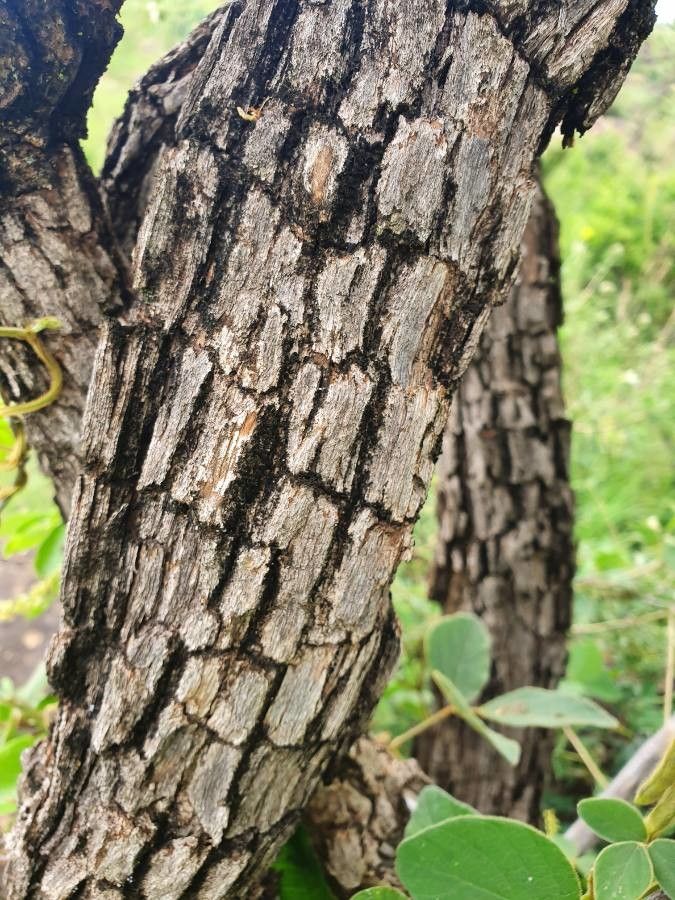
Hello fellow plant lovers! Today, I want to chat about a gem in my garden that always brings a smile to my face: Volkameria eriophylla. You might know it by another name, maybe something like Glory Bower or Hare’s Foot Fern (though technically, it’s not a fern!). Its delicate, silvery foliage and the surprising bursts of bloom it offers are just delightful. And guess what? Propagating it is a truly rewarding experience. If you’re a beginner looking to expand your plant family, you’ll find this a fairly straightforward and satisfying project.
The Best Time to Start
When it comes to giving your Volkameria the best chance of success, timing is everything. I find that the late spring or early summer is truly the sweet spot. This is when the plant is actively growing and has plenty of energy to put into developing new roots. You want to select stems that are firm and mature, not brand new, tender shoots, nor woody old growth. Think of it as gathering ingredients when they’re at their peak ripeness.
Supplies You’ll Need
Gathering your tools beforehand makes the whole process much smoother. Here’s what I recommend:
- Sharp Pruning Shears or a Clean Knife: For making clean cuts, essential for preventing disease.
- Rooting Hormone (Optional but Recommended): A little dab can significantly boost your success rate. Look for one that contains IBA (Indole-3-butyric acid).
- Well-Draining Potting Mix: A blend of equal parts perlite and peat moss or coco coir works wonderfully. You can also use a good quality seedling starter mix.
- Small Pots or Seedling Trays: Clean ones are key! I prefer pots with drainage holes.
- Watering Can or Spray Bottle: For gentle watering.
- Plastic Bag or Dome: To create a mini-greenhouse effect.
- Labels: To remember what you’ve planted and when!
Propagation Methods
I’ve had the most luck with two methods for Volkameria eriophylla: stem cuttings and division.
Stem Cuttings: My Go-To Method
This is my absolute favorite way to increase my collection.
- Select Your Cuttings: In late spring or early summer, choose healthy, non-flowering stems. Look for stems that are about 4-6 inches long.
- Make the Cut: Using your sharp shears or knife, make a clean cut right below a leaf node. This is where root development is most likely to occur.
- Prepare the Cuttings: Gently remove the lower leaves, leaving only the top 2-3 leaves on the stem. If the leaves are large, you can even cut them in half to reduce water loss.
- Apply Rooting Hormone (Optional): Dip the cut end of the stem into your rooting hormone powder. Tap off any excess.
- Plant Your Cuttings: Fill your small pots or trays with your prepared potting mix. Make a small hole with a pencil or your finger. Insert the cutting about an inch deep into the mix. Gently firm the soil around the stem.
- Water Gently: Water thoroughly but gently, ensuring the soil is moist but not waterlogged.
- Create a Humid Environment: Cover the pots with a plastic bag or a clear dome. Make sure the plastic doesn’t touch the leaves. Poke a few holes in the bag for air circulation if it seems too steamy.
- Place and Wait: Place the pots in a warm spot with bright, indirect light. Avoid direct sunlight, which can scorch the delicate cuttings.
Division: For a More Mature Plant
If you have a mature Volkameria that’s looking a bit crowded or you simply want to give it a refresh, division is a great option.
- Remove from Pot: Gently slide the entire plant out of its container.
- Inspect the Root Ball: Gently tease apart the soil to expose the roots. You’ll likely see distinct clumps or crowns.
- Divide: Using your hands or a clean, sharp knife, carefully separate the plant into smaller sections. Each section should have a good amount of roots and at least one or two healthy shoots.
- Replant: Pot each division into its own container with fresh, well-draining potting mix.
- Water and Recover: Water thoroughly and place in a location with bright, indirect light.
The “Secret Sauce” (Pro Tips)
After years of playing with plants, I’ve picked up a few tricks that make a real difference.
- My absolute favorite trick for cuttings is using a heat mat. Placing your potted cuttings on a gentle heat mat provides consistent bottom warmth, which encourages root development like nothing else. You’ll be amazed at how much faster they root.
- When propagating in water, which is sometimes tempting with Volkameria, a little tip is to ensure no leaves are submerged. If leaves touch the water, they’ll rot quickly and can take the whole cutting down with them.
- Don’t be afraid to get your hands dirty with a good rooting hormone paste instead of just powder. I find the paste adheres better to the stem and often gives a stronger rooting response.
Aftercare & Troubleshooting
Once you start seeing tiny roots poking out of the drainage holes or if your cutting feels firmly anchored when gently tugged, it’s time to move it into a slightly larger pot with regular potting soil. Gradually introduce it to more light and water it as the top inch of soil dries.
Now, what if things don’t go as planned? The most common issue is rot, characterized by mushy, blackened stems. This usually happens from overwatering or lack of air circulation. If you see this, unfortunately, that cutting is likely lost. However, don’t despair! You can often take more cuttings from the parent plant. Another sign things aren’t going well is if the cuttings simply wilt and dry up. This can be due to too much direct sun, not enough humidity, or simply the cutting not having enough stored energy.
A Encouraging Closing
Growing new plants is a journey of patience and observation. Don’t get discouraged if your first few attempts aren’t perfect. Each cutting you take is a learning experience. Enjoy the process, celebrate your successes, and before you know it, you’ll have a whole collection of gorgeous Volkameria eriophylla to share and admire. Happy propagating!
Resource: